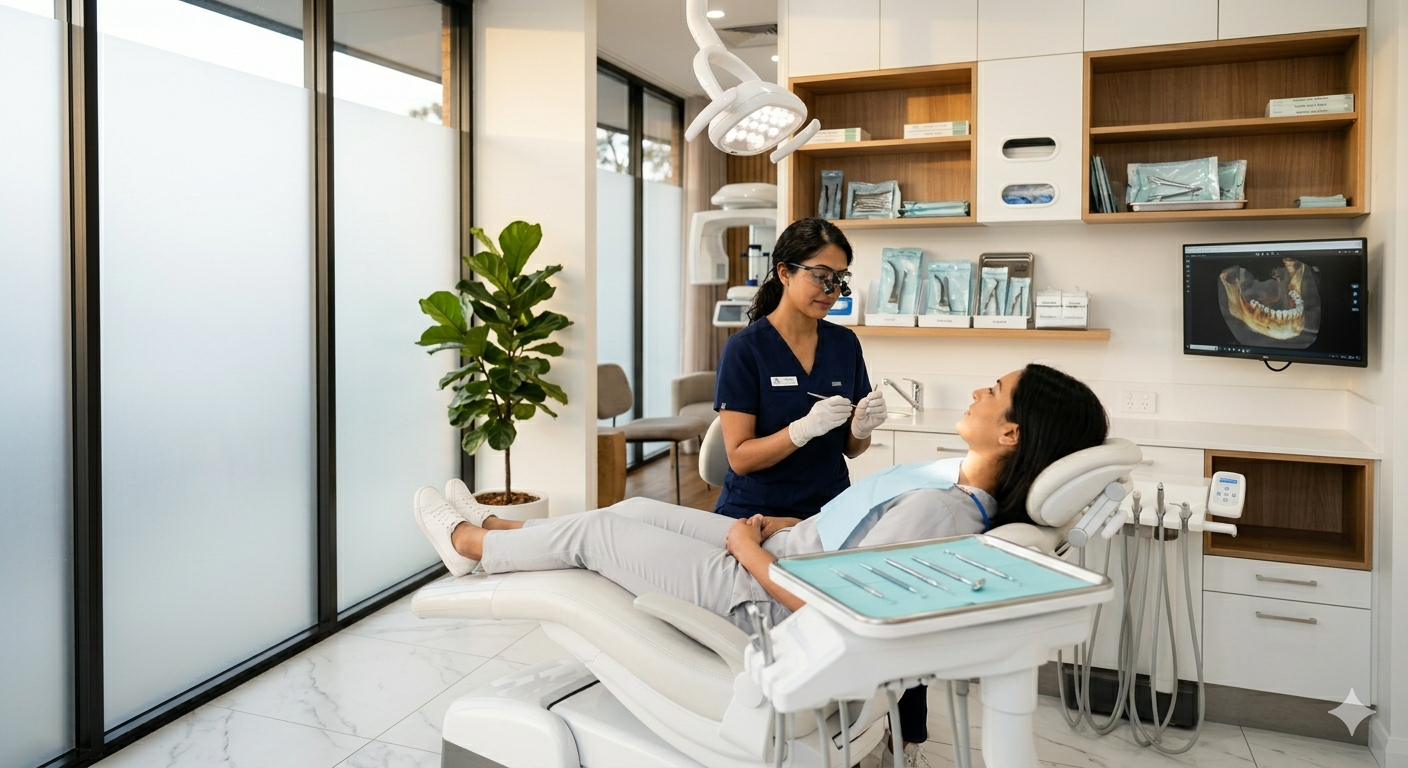
Dentures Dental Service San Diego CA: Comfortable, Modern Solutions for Your Smile
Dentures are a common and effective solution for people who have lost some or all of their natural teeth. In San Diego, CA, dental services specializing in dentures focus on creating comfortable, natural-looking replacements that help patients regain their smile and confidence. The key to successful dentures is a precise fit and personalized care, which skilled dentists in San Diego are ready to provide.
Many dental offices offer modern denture options, including partial and full dentures, made with advanced materials for better comfort and durability. These services often include thorough assessments and follow-up adjustments to ensure the dentures feel right and function well in daily life.
With a friendly approach, dentists in San Diego also emphasize patient comfort and provide clear guidance on maintaining dentures for long-lasting results. They encourage anyone considering dentures to reach out, ask questions, and explore the treatment options that fit their lifestyle.
What Are Dentures?
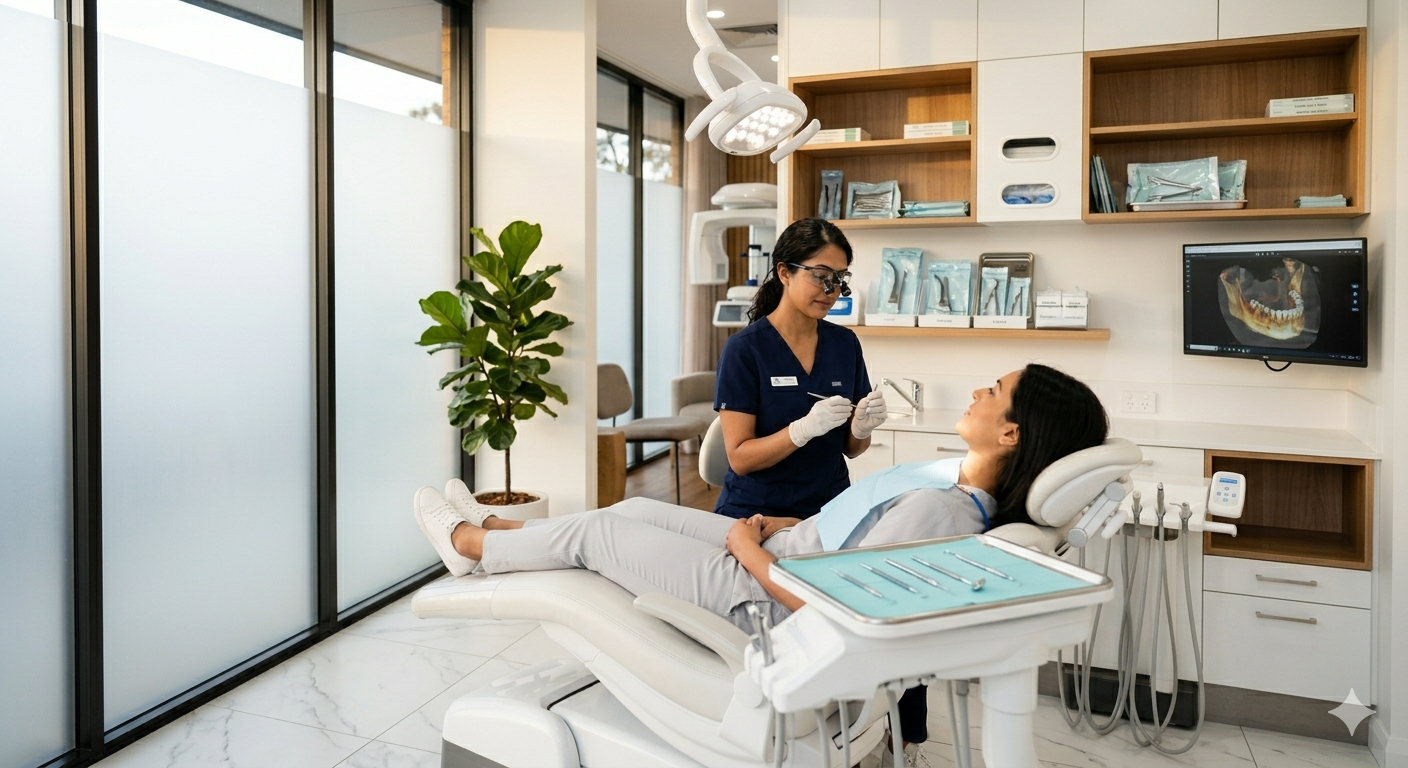
Dentures are removable dental appliances designed to replace missing teeth. They restore both the function and appearance of natural teeth, helping patients chew, speak, and smile confidently. Understanding the different types, how they work, and when to consider them is important for making the right choice.
Types of Dentures
There are primarily three types of dentures: full, partial, and implant-supported. Full dentures replace all the teeth in the upper or lower jaw. Partial dentures fill in spaces when some natural teeth remain, using metal clasps or precision attachments to stay in place. Implant-supported dentures attach securely to dental implants fixed in the jawbone, providing extra stability. Each type varies in cost, comfort, and care requirements. A dentist will recommend the best option based on a patient’s oral health, bone structure, and lifestyle.
How Dentures Work
Dentures work by resting on the gums and underlying bone, replacing the function of natural teeth. Full dentures rely on suction and a close fit to stay in place. Partial dentures use clasps that grip adjacent teeth for support. Implant-supported dentures clip onto titanium implants surgically placed in the jaw, creating a stronger bond. Proper fit is crucial to prevent discomfort, slipping, or damage. Dentures also help maintain facial structure, preventing the sunken look that can occur with tooth loss.
When to Consider Dentures
Patients often consider dentures after significant tooth loss due to decay, injury, or gum disease. They are a practical solution when teeth are too damaged to save or when multiple teeth are missing. Dentures may also suit those seeking a non-invasive and affordable alternative to implants or bridges. A dental professional will evaluate oral health and discuss goals to determine if dentures are the right fit. Early consultation can prevent further dental issues and improve quality of life with effective tooth replacement.
Benefits of Modern Dentures
Modern dentures offer more than just replacing missing teeth. They provide improved functionality, comfort, and enhance the natural appearance of your smile. With advances in dental materials and techniques, today’s dentures fit better and look more lifelike than ever before.
Restoring Your Smile
Modern dentures are designed to closely match the shape, size, and color of natural teeth. This helps restore a patient’s smile so it looks balanced and natural. Unlike older dentures, they use lightweight materials that mimic the translucency and texture of enamel.
Replacing missing teeth also supports facial muscles, preventing the sunken look often associated with tooth loss. This not only helps with aesthetics but also aids in maintaining facial structure. Patients often report improved speech clarity because new dentures stabilize tongue and lip movement.
Improved Comfort and Function
Today’s dentures use precision fitting techniques like digital impressions, which reduce irritation and soreness. The base material is softer and more flexible, adapting to the gums’ unique contours. This leads to fewer pressure points and longer wear times without discomfort.
Functionally, modern dentures make chewing easier. They distribute bite force evenly, allowing for a broader diet including fruits, vegetables, and proteins. Many patients find their dentures stay securely in place better due to improved adhesives or implant-supported options.
Boosting Confidence
Wearing modern dentures often boosts self-esteem. Patients feel more comfortable smiling, talking, and eating in social settings without fear of slipping dentures or noticeable gaps. The natural look helps avoid the “false teeth” appearance, reducing any self-consciousness.
Dentists often recommend customization options such as tooth shape or shade selection to reflect the patient’s personality. This personalized approach strengthens the emotional benefits and encourages patients to regain normal routines with confidence and ease.
Dentures Dental Service in San Diego, CA
Dentures in San Diego are designed with patient comfort and precise fit in mind. Advanced techniques and local knowledge ensure tailored treatment plans that match individual needs. Each step focuses on restoring natural appearance and function while supporting overall oral health.
Choosing the Right Dentist
Selecting a denture provider involves more than just location. Patients should look for dentists with specific experience in prosthodontics or restorative dentistry. A skilled dentist will offer thorough evaluations and discuss all types of dentures—partial, full, or implant-supported—based on the patient’s oral condition.
Credentials matter; board certifications or memberships in professional dental organizations indicate a commitment to ongoing education. Reviews and patient testimonials can reveal how comfortable and supported others felt during their treatment. Trust and communication between patient and dentist are key to a successful denture experience.
Personalized Fitting Process
A careful fitting process shapes how comfortably dentures will feel and how well they function. First, detailed impressions of the gums and any remaining teeth create a foundation for customization. Digital scanning may also be used for accuracy and quicker adjustments.
During fitting appointments, dentists check bite alignment, denture stability, and patient comfort. It’s normal for minor adjustments to be needed in the days following insertion. Regular follow-ups allow the dental team to address any sore spots or fit issues, ensuring the dentures perform well in everyday activities like eating and speaking.
Local Expertise and Community Care
San Diego dentists understand the unique lifestyle and environmental factors that affect oral health here. Many practices incorporate preventive care with denture services, focusing on gum health and overall mouth wellness.
Local providers often offer flexible appointment scheduling and support for seniors and patients with special needs. Their commitment to patient education helps individuals maintain dentures longer and avoid common issues like irritation or bone loss. Community ties also mean easier referrals for implant dentistry or specialist care if needed later on.
Step-by-Step Denture Treatment Process
Getting dentures involves several carefully planned stages to ensure comfort and a natural fit. Each step focuses on customization, precision, and making sure patients feel supported throughout their journey.
Initial Consultation and Assessment
The journey begins with a thorough dental exam and discussion of oral health history. The dentist checks gum condition, jawbone health, and remaining teeth if any. This helps determine whether full or partial dentures will work best.
Digital scans or impressions of the mouth often follow, capturing detailed shapes needed for creating custom dentures. The dentist also talks about lifestyle, diet, and cosmetic goals to tailor the treatment plan accordingly. This step sets clear expectations about timelines, costs, and care.
Custom Design and Fabrication
Once the blueprint is ready, lab technicians craft dentures using materials like acrylic or flexible resin. The design balances durability and appearance, matching natural tooth color and gum tone for a realistic look.
This stage involves creating wax or plastic models for trial fitting. Adjustments can be made before the final dentures are produced. Working closely with the dental team ensures the dentures will fit comfortably and support speech and chewing properly.
Fitting and Adjustments
At the initial fitting, the dentist places the dentures and checks for snugness without causing pressure or soreness. They guide patients on how to insert and remove the dentures properly.
Follow-up visits focus on fine-tuning the fit, addressing any areas of irritation, and improving bite alignment. Patients are also shown how to keep dentures clean to prevent infections. Gradual adaptation makes wearing dentures more natural with time.
Caring for Your Dentures
Proper denture care is essential for comfort, durability, and oral health. It involves routine cleaning, adjusting to wearing dentures, and scheduling regular dental visits to ensure everything fits well and functions properly.
Daily Cleaning Tips
Dentures should be cleaned every day to prevent plaque buildup and stains. Start by rinsing them under cool water to remove loose food particles. Avoid hot water, which can warp the denture material.
Use a soft-bristled brush or denture brush with a mild, nonabrasive cleanser specifically designed for dentures. Do not use regular toothpaste, as it can be too harsh and cause tiny scratches that harbor bacteria.
After brushing, soak the dentures overnight in a denture-cleaning solution or plain water to keep them moist and maintain their shape. Rinse thoroughly before placing them back in the mouth in the morning.
Getting Used to Wearing Dentures
Adapting to dentures often takes time and patience. Initially, some soreness, increased saliva, or mild speech changes are common. These symptoms typically decrease within a few weeks as the mouth adjusts.
Eating with dentures requires practice. Start with soft, easy-to-chew foods, cutting them into smaller pieces. Chew slowly and evenly on both sides of the mouth to keep the denture stable. Avoid sticky or hard foods that can dislodge or damage dentures.
Speaking may feel awkward at first. Reading aloud or repeating tricky words can help improve speech clarity. Persistent discomfort or fitting issues should be addressed by the dentist promptly to avoid irritation or sores.
Regular Check-Ups
Routine dental appointments are crucial for denture wearers. The mouth continues to change shape over time, which can affect how dentures fit. Loose or ill-fitting dentures can cause pain, sores, or difficulty chewing.
During check-ups, the dentist examines oral tissues for signs of infection or irritation and checks denture condition. Adjustments, relining, or repairs may be needed to maintain a secure and comfortable fit.
Professional cleanings help remove stains and buildup that regular brushing can miss. Scheduling visits every 6 to 12 months supports overall oral health and keeps dentures functioning well.
Common Concerns About Dentures
Many people worry about how dentures will feel, function, and last once fitted. Understanding these common concerns helps ease the transition and promotes confident wear.
Addressing Fit and Comfort Issues
Fit is crucial for denture comfort and function. Poorly fitting dentures can cause soreness, irritation, or even sores on the gums. Most dental offices in San Diego offer adjustments after the initial fitting to ensure dentures sit comfortably and securely.
Materials and design have improved greatly, providing a closer fit to natural gum contours. Patients are advised to wear dentures regularly to allow gums to adapt, but should remove them overnight to prevent irritation. If discomfort persists, a follow-up visit is essential to prevent long-term problems.
Eating and Speaking With Dentures
Eating with dentures takes practice. Chewing tougher foods may be challenging at first, so starting with softer items and cutting food into smaller pieces is recommended. Over time, users usually regain confidence and can eat a wider variety of meals.
Speech changes are common when first wearing dentures. Certain sounds, like “s” or “f,” may feel tricky. Repetition and reading aloud can help adjust tongue and lip movements. If speech problems continue, a dental appointment can check the fit or suggest minor adjustments.
Longevity and Durability
Dentures typically last between 5 to 10 years, depending on wear, care, and changes in mouth shape. Regular dental check-ups are key to extending their lifespan and ensuring ongoing comfort.
Avoiding hard or sticky foods reduces damage risks. Proper daily cleaning with a soft brush and denture cleaner keeps them free from stains and bacteria. Patients should never use regular toothpaste or hot water, as these can cause cracks or warping.
Alternatives to Traditional Dentures
There are several modern options that provide more stability and comfort than traditional dentures. These choices often involve surgery but offer improved function and a more natural feel.
Dental Implants
Dental implants are titanium posts surgically placed into the jawbone, acting as artificial tooth roots. Once healed, they support crowns that look and function like natural teeth.
Implants help prevent bone loss and provide excellent chewing power. They don’t rely on adhesives or gums to stay in place, which many find more comfortable. The process takes time, including healing, but the results last for many years with proper care.
Patients should have healthy gums and enough bone for implants. Consultations and X-rays help dentists plan the best placement.
Implant-Supported Dentures
Implant-supported dentures combine dentures with dental implants for improved stability. Instead of resting on the gums, these dentures snap or clamp onto implants.
This method reduces slipping and irritation common with traditional dentures. It also enhances chewing efficiency and speech clarity. Implant-supported dentures can be fixed or removable, offering flexibility based on patient needs.
They require fewer implants than individual crowns, often two to four for a full arch. This option balances affordability and function while providing a more secure fit than regular dentures.
Cost and Insurance Information
Understanding the costs involved with dentures and how insurance may help can ease worries about treatment expenses. Many factors affect pricing, and knowing the available payment options helps patients plan accordingly.
Typical Pricing in San Diego
The cost of dentures in San Diego usually ranges from $600 to $2,500 per arch. Full dentures tend to be more expensive than partial ones because they replace all teeth in the upper or lower jaw. Basic dentures may cost less but often use traditional materials. Premium dentures with better fit, aesthetics, and durability can increase the price.
Additional fees might include consultations, impressions, adjustments, and relines. Customization and lab costs also impact the total. Prices vary by practice, so patients should ask for detailed estimates upfront to avoid surprises.
Insurance Coverage
Many dental insurance plans cover at least part of denture costs, especially if they are medically necessary. Typical coverage ranges from 50% to 80% for dentures after deductibles are met. However, plans often limit coverage for replacements to once every 5-7 years.
Some insurance policies exclude cosmetic upgrades or only cover basic dentures. It’s important to check the specifics of a dental plan, including waiting periods and annual maximums, to understand out-of-pocket expenses clearly.
Flexible Payment Options
Dental offices in San Diego frequently offer flexible payment plans to spread the cost of dentures over time. These might include no-interest financing for 6 to 12 months or low-interest extended plans. Using credit cards designed for medical expenses is another option.
Some practices accept CareCredit or similar third-party financing companies, making treatments more affordable. Patients should inquire about payment options early to find the best fit for their budget, reducing financial stress while receiving care.
Why Choose Our San Diego Dental Team
This dental team combines skilled hands with a welcoming atmosphere, all while making sure patients fully understand their care options. They tailor denture services to fit individual needs, focusing on comfort and long-term oral health.
Experienced Denture Specialists
The team includes dentists who specialize in fitting and crafting dentures with precision. They have years of hands-on experience managing all types of dentures—from partials to full sets—and understand how to achieve a natural look.
Using the latest dental technologies, they ensure dentures fit securely without causing irritation or discomfort. Their expertise helps patients regain easy chewing and clear speech, which are often challenges with traditional dentures.
Each patient receives a personalized treatment plan. This addresses unique oral structures and lifestyle needs, leading to better results and higher satisfaction.
Warm, Supportive Environment
Patients find a friendly setting where their worries about dentures are addressed with kindness and respect. The staff listens carefully and takes extra time to answer questions.
The office is designed to offer comfort from the moment you enter, with calming colors and a relaxed pace in appointments. This approach reduces anxiety often linked to dental visits.
They also encourage ongoing communication after fittings, helping patients adjust and resolve any issues quickly. This support network makes the denture journey less stressful.
Commitment to Patient Education
Clear information is central to their care. Patients receive detailed explanations about denture options, maintenance, and what to expect during each step.
Visual aids and simple handouts help break down complex terms, so everyone can make informed decisions. They address common concerns about durability, cleaning, and how dentures affect daily life.
By empowering patients with knowledge, the team builds confidence and encourages proactive oral care habits. This educational focus results in better denture outcomes and healthier smiles over time.
Next Steps Toward a Healthy Smile
Once dentures are fitted, maintaining oral health becomes the next important focus. Regular cleaning of both your gums and dentures helps prevent irritation and infections. Patients should gently brush their gums, tongue, and palate every day before putting dentures in.
Visiting the dental office for check-ups is essential. Dentists can monitor the fit of the dentures and check for any changes in the mouth. Adjustments may be needed over time to keep the dentures comfortable and functional.
Here are a few simple tips to follow:
- Clean dentures daily with a soft brush and denture cleaner.
- Avoid harsh toothpaste that can scratch dentures.
- Remove dentures at night to let gums rest.
- Stay hydrated to reduce dry mouth issues.
Modern denture options often include flexible materials and natural-looking designs. Patients should feel comfortable discussing preferences with their dentist to find the best solution.
Encouraging open communication helps reduce worries and ensures the best care. If questions arise or discomfort appears, contacting the dental provider promptly is wise. Together, they can work toward a smile that feels both healthy and natural.
Frequently Asked Questions
The cost of dentures varies based on materials, type, and dental practice location. Choosing the right denture depends on your oral health and lifestyle. Same-day dentures offer quick solutions but may require patience during adjustment. Finding a trustworthy provider means knowing what to ask and checking credentials. Seniors have options for affordable dentures through insurance and assistance programs. The adjustment period is normal, and specific tips can ease discomfort.
How much does a full set of dentures typically cost in California, and what factors can change the price?
A full set of dentures in California usually ranges from $1,200 to $3,000. Factors affecting price include the denture material, complexity of the fit, and whether extractions or preparatory work are needed. More advanced options like implant-supported dentures cost more.
What’s the difference between full dentures, partial dentures, and implant-supported dentures, and how do I know which one fits me best?
Full dentures replace all teeth in the upper or lower jaw. Partial dentures fill in gaps where some natural teeth remain. Implant-supported dentures are anchored to dental implants, offering more stability. A dentist evaluates your oral condition and preferences to recommend the best fit.
Can I really get dentures in a day, and what should I expect from same-day denture options?
Yes, same-day dentures are possible but usually involve immediate or temporary dentures. These allow you to leave the office with teeth but may need adjustments or replacement later. Expect an initial period of fit changes as your gums heal.
How do I find a denture provider I can trust, and what questions should I ask during a consultation?
Look for providers with good reviews, proper licensing, and experience in dentures. Ask about their denture options, adjustment policies, and follow-up care. Inquire about their approach to comfort and whether they offer a trial or guarantee.
Are there affordable ways for seniors to get dentures, such as insurance benefits, discount plans, or assistance programs?
Medicare usually doesn’t cover dentures, but some Medicaid programs in California do. Seniors may also find help through dental discount plans, non-profit organizations, or local health clinics offering reduced fees. Always ask about payment plans or financial assistance.
What is the adjustment period like with new dentures, and how can I reduce sore spots and improve comfort quickly?
The adjustment period can last several weeks as the mouth adapts. Sore spots are common and often improve with minor dental adjustments. Using denture adhesives, practicing speaking and eating slowly, and maintaining oral hygiene help ease the process.