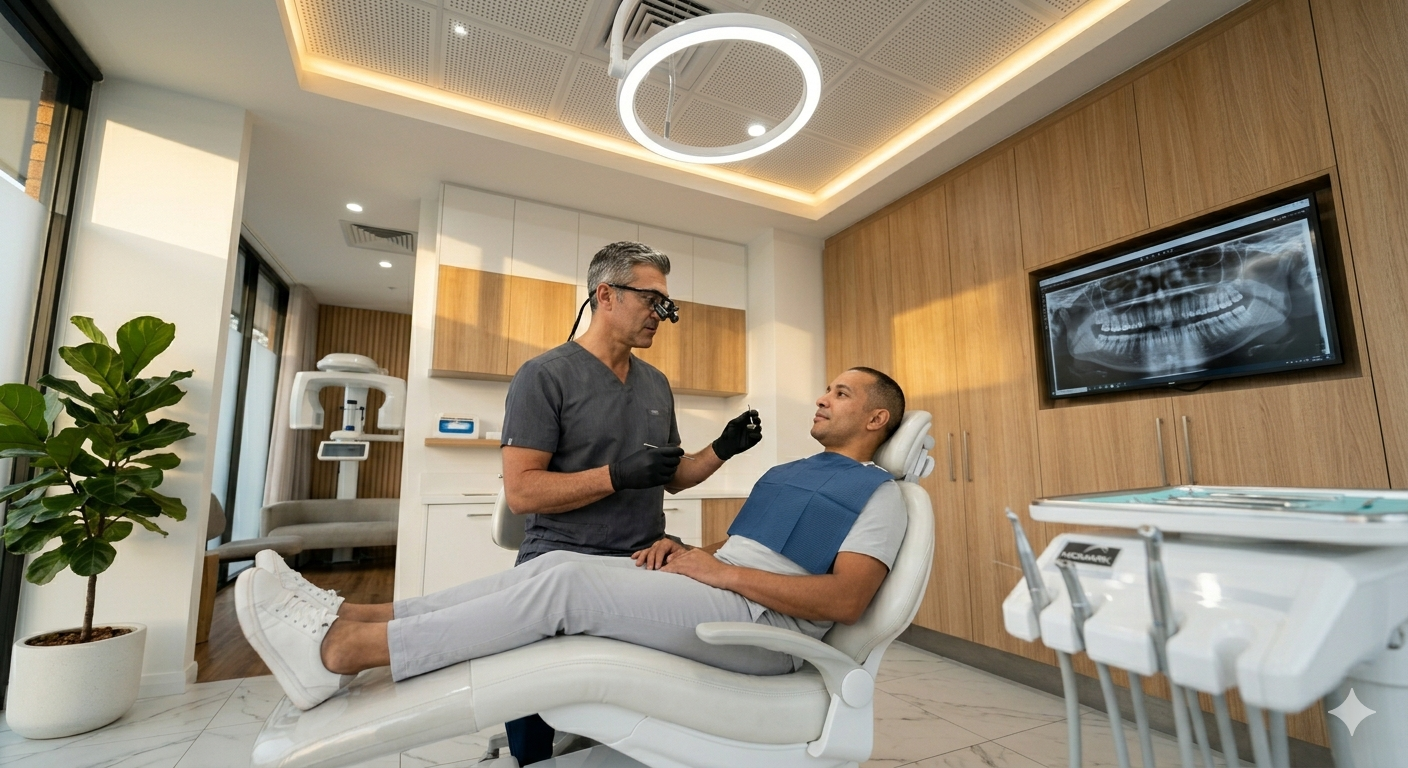
Cost of Veneers San Diego CA: Affordable Options, What to Expect, and Financing Tips
Thinking about veneers in San Diego? Expect to pay anywhere from a few hundred to a few thousand dollars per tooth depending on materials and the dentist’s expertise, with porcelain veneers and specialty labs pushing costs to the higher end.
They’ll explain how factors like the type of veneer, preparatory work, lab fees, and the dentist’s experience shape pricing, and why Scottsdale-quality results often cost more. The article will walk through real pricing ranges, what’s included in fees, financing and insurance considerations, long-term value, and how to choose the right cosmetic dentist so you can make an informed decision about your smile.
Understanding Veneers
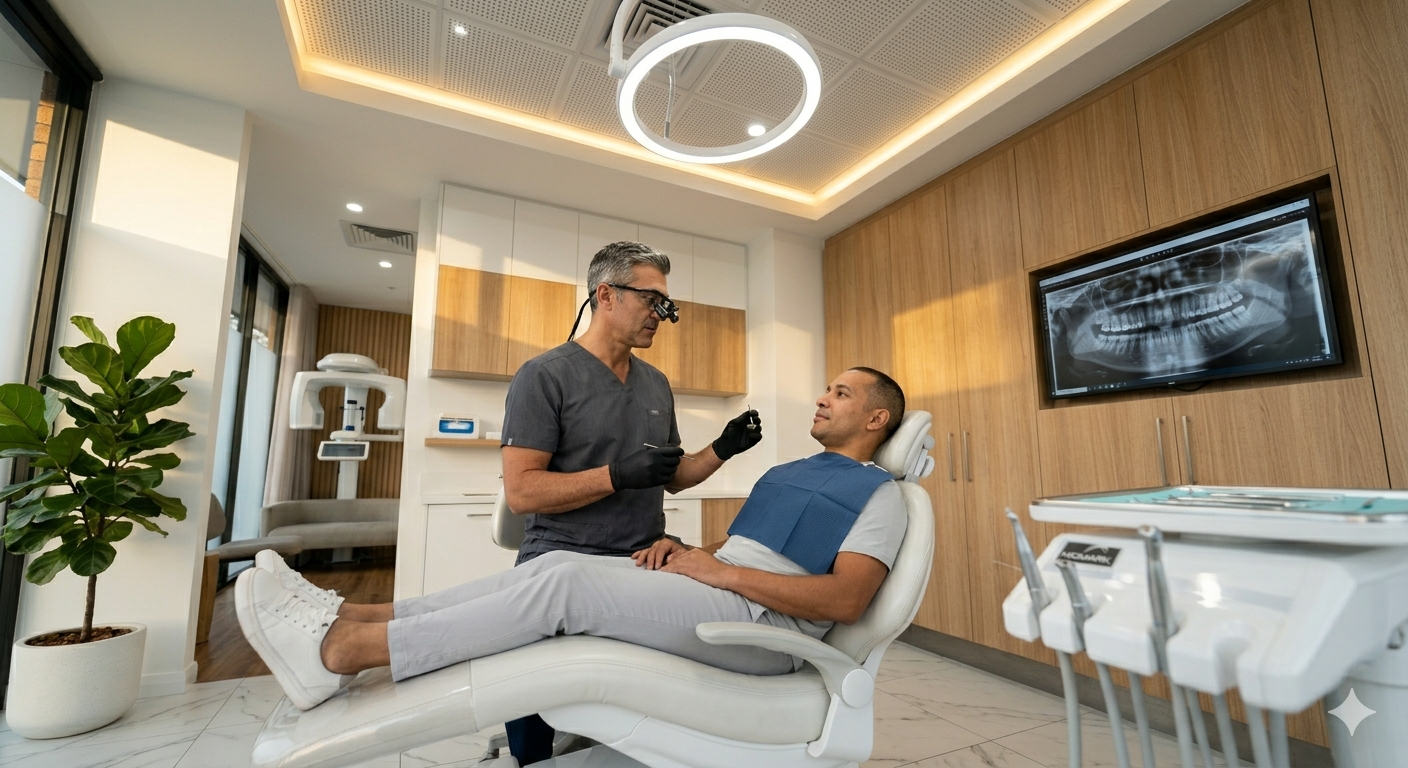
Veneers are thin restorations bonded to the front of teeth to change their color, shape, or size. They require precise planning, a few dental visits, and attention to preparation and maintenance.
Types of Dental Veneers
Porcelain veneers are custom-made ceramic shells that resist stains and mimic natural enamel. They usually last 10–15 years with proper care and require 2–3 visits: consultation, tooth preparation and impressions, then final bonding.
Composite resin veneers are applied directly to the tooth in a single visit or made in a lab and bonded later. They cost less than porcelain and repair easily, but they wear faster and stain more readily, typically lasting 5–7 years.
Lumineers and other no-prep or minimal-prep veneers conserve more tooth structure and may not require anesthesia. They suit patients with minimal misalignment or discoloration but sometimes look bulkier or need more frequent adjustments.
A dentist will compare aesthetics, durability, tooth reduction, and budget when recommending a material. Financing, warranties, and the lab’s quality also influence the final choice.
When Veneers Are Recommended
Dentists commonly recommend veneers for teeth with persistent staining that do not respond to whitening. They also treat chips, worn edges, uneven spacing, and minor crowding without full orthodontics.
Candidates should have healthy gums and sufficient enamel for bonding; active decay or gum disease needs treatment first. Smoking, heavy bruxism (tooth grinding), and poor oral hygiene can shorten veneer lifespan and may require alternative treatments.
Veneers suit adults seeking cosmetic improvement rather than major bite correction. A thorough exam, digital imaging, and mock-ups help determine whether veneers or alternatives—crowns, bonding, or orthodontics—offer the best long-term outcome.
How Veneers Improve Your Smile
Veneers correct color, shape, size, and alignment in a single, predictable solution. They allow precise shade matching and contouring to create symmetrical, natural-looking results.
The treatment workflow enhances patient comfort: digital scans or impressions, temporary restorations as needed, and final bonding with strong dental cement. Patients notice immediate aesthetic change after bonding and can usually resume normal eating the same day.
Maintenance is straightforward: twice-daily brushing with non-abrasive fluoride toothpaste, daily flossing, and routine dental cleanings every 3–6 months as advised. Wearing a nightguard for grinders and avoiding hard foods or using tools with teeth preserves veneers longer.
Factors That Influence Veneer Costs
Veneer pricing varies by material, how many teeth need treatment, and the clinician’s training and location. These three factors drive most of the difference between low-end estimates and premium full-smile treatments.
Material Choices and Their Impact
Porcelain veneers typically cost more than composite because porcelain offers superior stain resistance, translucency, and longevity. Porcelain veneers commonly range from $900 to $2,500 per tooth in San Diego, depending on the laboratory, the type of porcelain (e.g., feldspathic, lithium disilicate, zirconia), and whether the lab uses digital CAD/CAM workflows.
Composite resin veneers are usually $250–$900 per tooth and can often be completed in one visit. They require less tooth reduction but stain and chip more easily than porcelain, which can mean higher maintenance costs over time.
Other material-related cost drivers include:
- Customization level: Hand-layered, highly esthetic work adds lab time and cost.
- Thickness and prep type: Minimally invasive or no-prep veneers can cost more due to specialized materials and technique.
- Temporary restorations and warranties: Included temporaries, remakes, or extended warranty programs increase the fee.
Number of Teeth Treated
Treating a single tooth is less expensive in total dollars but often has a higher per-tooth cost than multiple-tooth cases. Clinics commonly offer tiered pricing: single-tooth, small-unit (2–4 teeth), and full-smile (8–10 or more) packages.
Full-smile cases may include additional planning fees for digital smile design, diagnostic wax-ups, and mock-ups. Those planning full-arch cosmetic changes should budget for pre-treatment like whitening, orthodontics, or gum recontouring, each adding separate costs.
Patients should ask for a breakdown showing lab fees, dentist time, temporaries, and follow-up adjustments. This helps compare quotes and avoid surprise charges when multiple preparatory or finishing steps are required.
Dentist’s Expertise and Clinic Location
A cosmetic specialist or prosthodontist typically charges more than a general dentist because of advanced training and experience. Expect higher fees for clinicians with a strong aesthetic portfolio, membership in professional cosmetic organizations, or frequent continuing-education credentials.
Practice location affects price too. Central San Diego clinics and upscale neighborhoods usually have higher overhead and charge accordingly. Suburban or smaller-office practices may offer lower fees but verify lab quality and clinician experience first.
Additional cost factors include sedation options, in-office milling or same-day systems, and whether the practice uses high-end dental labs. Patients should request before-and-after photos, lab certifications, and a clear treatment timeline when comparing providers.
Pricing Range for Veneers in San Diego
Veneer prices in San Diego vary with material, clinic reputation, and treatment complexity. Patients typically weigh upfront cost against longevity, aesthetics, and the need for preparatory work like crowns or gum reshaping.
Average Cost Breakdown
Most San Diego practices list single-tooth veneer prices between $800 and $2,800. The lower end usually reflects direct composite veneers or economy porcelain lab work; the upper end covers premium lab-fabricated porcelain with custom shading and multiple appointments.
Additional typical fees include consultation ($100–$250), digital imaging or shade matching ($50–$200), and temporary veneers ($100–$300) when a staged approach is used. Preparatory treatments such as deep cleaning ($75–$350) or small restorations can add another $100–$600 per tooth.
When budgeting, patients should ask for a full estimate that lists lab fees, anesthesia, follow-ups, and warranty or adjustment policies. Many offices offer payment plans or third-party financing to spread costs over time.
Price Differences Between Porcelain and Composite
Composite veneers generally cost $250–$900 per tooth and can often be completed in one visit. They use tooth-colored resin bonded to enamel, making them more affordable but less durable—expected lifespan is about 5–7 years with good care. Repairs are usually simple and cheaper than replacements.
Porcelain veneers typically range from $900–$2,800 per tooth, depending on the ceramic type and the dental lab. Porcelain resists staining, mimics natural translucency, and lasts 10–15 years or longer with proper maintenance. Costs increase when a practice uses digital smile design, high-end ceramics (e.max, zirconia-layered porcelain), or accredited ceramists.
Patients should consider long-term value: higher initial cost for porcelain often means fewer replacements and better color stability, while composite may suit short-term fixes or budget-conscious cases.
Comparing Local Dental Practices
Independent cosmetic dentists, boutique cosmetic studios, and large dental chains all operate in San Diego. Independent specialists often charge more, from $1,200–$2,800 per porcelain veneer, reflecting advanced training, custom lab partnerships, and longer chair time. Chains and general practices may offer lower entry prices or promotions but can vary widely in lab quality and individualized care.
Look at before-and-after galleries, ask which lab fabricates the veneers, and request patient references when possible. Practices that include digital 3D planning, in-house milling, or a ceramist consultation typically have higher fees but deliver more predictable aesthetic results.
Confirm what the quoted price includes: try-in appointments, adjustments, follow-ups, and any warranties. Comparing detailed estimates and scheduling a consultation helps patients choose a provider that balances cost with quality and comfort.
What’s Included in Veneer Pricing?
Pricing typically covers several discrete services: the initial clinical assessment, fabrication and materials, and post-placement care. Each piece affects the final cost, from lab fees to follow-up visits.
Consultation and Planning
The consultation usually starts with a clinical exam, digital X-rays, and full-mouth photos to assess tooth structure and bite. The dentist records shade selection and discusses goals; minor periodontal treatment or bite adjustments are planned if needed.
Most practices include a digital smile design mockup or temporary veneers in the planning fee. This allows patients to preview shape and color before committing. If additional diagnostics—CBCT scans, study models, or specialist referrals—are required, they may incur separate charges.
Treatment planning also covers anesthesia options and sequencing when multiple teeth are involved. A written estimate outlines per-tooth veneer cost, lab timelines, and any potential extra fees for veneers on molars or previously restored teeth.
Custom Fabrication
Custom fabrication includes material selection, lab work, and technician time. Porcelain veneers (e.g., lithium disilicate) cost more than composite because of higher material expense and detailed lab layering.
Lab fees typically cover impressions or digital scans, model production, staining, glazing, and quality checks. High-end labs that provide hand-layered esthetics and night-time support for shade matching charge more than basic mills.
Clinics may itemize shipping, rush fabrication, and provisional veneer fabrication. If CAD/CAM milling is used in-office, some lab fees drop but equipment amortization can reflect in the price. Warranties or guarantees on workmanship are often included or offered as an add-on.
Aftercare Services
Aftercare covers follow-up visits, adjustments, and maintenance recommendations. Most packages include one or two post-placement checks within the first six months to ensure fit and bite comfort.
Polishing, minor adjustments to occlusion, and replacement of temporary veneers are often part of the initial fee. Long-term maintenance—custom nightguards, professional polishing, or replacement due to trauma—may carry separate costs.
Patients typically receive written home-care instructions and schedule routine hygiene visits to extend veneer life. Some clinics offer extended warranties or maintenance plans for an added fee; these reduce out-of-pocket costs for future repairs.
Payment Options and Insurance Considerations
Patients will find that coverage, out-of-pocket costs, and financing vary widely depending on their plan, the material chosen for veneers, and whether the procedure is deemed cosmetic or restorative. Clear communication with the dental office and insurer helps avoid surprises and allows comparison of payment methods.
Dental Insurance Coverage
Most dental insurers classify porcelain and composite veneers as cosmetic when used solely to improve appearance; this usually means limited or no coverage. If veneers are placed to repair damage from trauma, correct functional bite issues, or restore tooth structure after large restorations, some plans may cover a portion under restorative benefits.
Patients should request a pre-treatment estimate (predetermination) from the insurer. This document lists covered amounts, patient responsibility, and any frequency or waiting-period restrictions. Bring the predetermination and itemized treatment plan to the appointment to confirm benefits and avoid unexpected bills.
Financing and Payment Plans
Many San Diego dental offices offer in-house financing or partner with third-party lenders like CareCredit, LendingClub Patient Solutions, or Compassionate Finance. Typical options include interest-free promotional periods (6–12 months) or longer-term low-APR plans (24–60 months). Approval depends on credit and income criteria.
Ask the office for a written cost breakdown showing lab fees, dentist fees, and any required preparatory work such as crowns or root canals. Compare monthly payment amounts, total interest paid, and any origination or late fees before committing. Some practices allow splitting treatment into phases to spread costs over time.
Health Savings and Flexible Spending Accounts
Health Savings Accounts (HSA) and Flexible Spending Accounts (FSA) can often be used for veneers when treatment is primarily restorative. IRS rules generally allow pre-tax dollars for procedures that treat or prevent disease or restore function, but not for purely cosmetic work. Documentation from the dentist describing medical necessity increases the chance of reimbursement.
Patients should check plan rules and retain detailed invoices, CDT codes, and the dentist’s letter of medical necessity if applicable. If an insurer denies using HSA/FSA funds, patients can file an appeal with supporting dental records. San Diego offices often have staff who can help prepare the required paperwork for claims and appeals.
Long-Term Value of Investing in Veneers
Veneers balance aesthetic impact with practical durability, predictable maintenance needs, and potential long-term savings compared with repeated cosmetic fixes. The sections below break down lifespan expectations, daily care responsibilities, and where cost savings can emerge over time.
Expected Longevity and Durability
Porcelain veneers typically last 10–15 years when placed by an experienced cosmetic dentist in San Diego and maintained correctly. Durability depends on veneer material, bond strength, bite forces, and whether the patient grinds teeth; high-quality porcelain resists stains and chips better than composite resin.
Crowns of veneer-grade porcelain can survive longer—up to 20 years—in low-stress mouths, while composite veneers often require replacement every 5–7 years. Regular dental exams catch early edge wear, debonding, or underlying decay that would otherwise shorten useful life.
Choosing an accredited lab and a dentist who uses conservative tooth preparation improves longevity by preserving enamel for a stronger bond. Patients with bruxism should discuss night guards to protect veneers and extend their service life.
Maintenance and Care
Daily care for veneers mirrors routine natural-tooth hygiene: brush twice with a non-abrasive fluoride toothpaste and floss once daily to prevent gum inflammation and decay at margins. Avoid hard items (ice, pen caps) and limit highly acidic habits that can undermine cement over time.
Schedule dental check-ups every six months for professional cleanings and inspection of margins, contact points, and bite alignment. If sensitivity, roughness, or a visible gap appears, contact the dentist promptly to evaluate bonding and address issues before more complex treatment is needed.
Use a soft-bristled brush and avoid whitening products containing strong abrasives or peroxide gels that can affect composite restorations. For patients who clench, a custom night guard is a small additional cost that markedly reduces fracture risk.
Potential Savings Over Time
Upfront veneer costs in San Diego can seem high, but they may reduce cumulative expenses versus repeated whitening, bonding repairs, or orthodontic relapses. Durable porcelain often means fewer mid-course touch-ups and less frequent replacement than composite alternatives.
Preventive investments—professional cleanings, night guards, prompt repairs—lower the likelihood of costly emergency visits or full restorations later. For example, a $500–$800 night guard can prevent a fractured veneer that would otherwise cost $1,000–$2,000 to replace.
Patients should factor in warranty terms, lab quality, and the dentist’s experience; a slightly higher initial fee for premium materials and skilled labor often yields lower lifetime costs and better aesthetic stability.
Choosing the Right Cosmetic Dentist in San Diego
Selecting a cosmetic dentist affects treatment quality, comfort, and final appearance. Prioritize measurable credentials, real patient results, and a treatment plan tailored to the patient’s goals and oral health.
Credentials and Experience
Look for dentists with formal cosmetic dentistry training beyond dental school, such as ADA-accredited continuing education, residency programs, or certification from organizations like the American Academy of Cosmetic Dentistry (AACD). Membership alone isn’t proof of skill; verify specific coursework in porcelain veneers, shade matching, and digital smile design.
Assess clinical experience by asking how many veneer cases the dentist performs yearly, and request cases similar to the patient’s needs (single-tooth, full-mouth, or composite vs. porcelain). Confirm the dentist works with a qualified dental lab and uses bonded porcelain systems like lithium disilicate or zirconia when appropriate. Also check whether the practice uses digital tools—CAD/CAM, intraoral scanning, and photographic shade analysis—for predictable results.
Patient Reviews and Before-and-After Photos
Read patient reviews on multiple platforms: Google, Yelp, and Healthgrades. Focus on comments about communication, pain management, and long-term satisfaction rather than just aesthetics. Look for consistent praise about realistic expectations and post-op follow-up.
Request a curated portfolio of before-and-after photos showing similar cases, with lighting and angles consistent for comparison. Ask to see both immediate post-op and long-term photos (6–24 months) to evaluate color stability and margin health. If possible, speak with former patients about durability, sensitivity, and maintenance.
Personalized Treatment Approach
A high-quality cosmetic dentist conducts a comprehensive exam, including radiographs, periodontal assessment, and bite analysis, before proposing veneers. They should present multiple options—no treatment, composite bonding, porcelain veneers, or orthodontic prep—and explain trade-offs: cost, invasiveness, lifespan, and maintenance.
Look for practices that offer mock-ups or provisional restorations to preview shape and shade. The dentist should discuss preservation of tooth structure, bonding protocols, and a clear timeline with staged appointments. Finally, ensure the plan includes a maintenance schedule and guarantees or warranties for lab work and restorative materials to protect the patient’s investment.
Next Steps Towards Your Perfect Smile
They should schedule an initial consultation to review goals, oral health, and budget. A short exam and X-rays let the dentist recommend veneers or alternative treatments.
The practice will provide a written estimate and discuss payment options like insurance, financing, or phased treatment. Clear cost breakdowns help patients compare clinic choices.
He or she may request a smile mock-up or digital preview so the patient can see potential results. This visual step reduces surprises and increases confidence.
They should verify the clinician’s experience with veneers and ask to see before-and-after photos. Reviews and a quick phone call can clarify the practice’s approach to comfort and follow-up care.
Patients need to prepare a list of questions about materials, lifespan, and maintenance. Typical topics include bonding care, sensitivity risks, and how veneers affect chewing and cleaning.
A simple checklist helps move forward:
- Book consultation and imaging
- Review estimate and payment plans
- Request smile preview and case photos
- Confirm clinician credentials and warranty
- Schedule treatment once comfortable
They should bring insurance information and a list of current medications to the appointment. This speeds up planning and ensures safe, personalized care.
Encourage them to contact the office with any concerns or to book a consult. A friendly team can walk through options and next steps toward a lasting, confident smile.
Frequently Asked Questions
This section gives specific cost ranges, durability differences, insurance realities, and what to expect for single-tooth versus full-set veneer work in San Diego. It helps readers estimate expenses, plan for future repairs, and decide whether to consider composite or porcelain options.
About how much do porcelain veneers typically cost per tooth in San Diego, and what factors can make the price go up or down?
Porcelain veneers in San Diego most commonly range from $1,000 to $2,500 per tooth. Higher-end practices or cosmetic specialists may charge $2,000–$3,000 for premium materials, advanced smile design, or extensive prep work.
Prices rise if a patient needs extra procedures such as gum contouring, root canals, crowns on adjacent teeth, or significant bite correction. Laboratory fees, the dentist’s experience, and the type of porcelain (e.max, zirconia, layered feldspathic) also change the cost.
What’s the difference in price (and durability) between composite veneers and porcelain veneers?
Composite veneers typically cost $250–$600 per tooth in San Diego. They are less expensive because the dentist sculpts and bonds composite resin directly in the office, often in a single visit.
Porcelain veneers cost about four to six times more, but they usually last longer—10–15 years for porcelain versus 5–7 years for composite with proper care. Porcelain resists staining and chips better; composite is easier and cheaper to repair but may discolor sooner.
How much should I expect to pay for veneers if I don’t have dental insurance, and are payment plans commonly available?
Without insurance, patients should budget the full out-of-pocket price: $1,000–$2,500 per tooth for porcelain and $250–$600 for composite. Many San Diego practices offer financing, in-house payment plans, or third-party lenders (CareCredit, LendingClub) to spread costs over 6–60 months.
Patients should ask for a written estimate that lists all phases—consultation, prep, temporary veneers, lab fees, and cementation—to avoid surprise charges. A clear payment schedule and interest terms help compare offers.
Does dental insurance ever help cover veneers, and how can I find out what my plan might contribute?
Most dental insurance considers veneers cosmetic and will not cover them. Insurance may contribute if veneers are deemed medically necessary—for example, to repair teeth damaged by trauma or to restore function after extensive decay—but approval is rare and often partial.
To find out, the patient should contact their insurer with procedure codes (D2970 for porcelain veneer, D2972 for additional units, D2975 for core build-up if relevant). The dental office can submit a preauthorization or predetermination to estimate benefits before treatment.
What does a “full set” of veneers usually include, and how does the total cost compare to doing just a few front teeth?
A “full set” commonly means 8–12 upper or 8–10 lower anterior teeth, depending on desired coverage and the dentist’s aesthetic plan. Full-arch veneer work multiplies the per-tooth fee, so a 10-tooth upper set at $1,500 per tooth can run about $15,000.
Doing only the front 2–6 teeth may cost $2,000–$9,000 for porcelain, making incremental treatment more affordable initially. Dentists often recommend planning for symmetry; mixing new veneers with older, discolored teeth can affect long-term appearance and may lead to additional work later.
How long do veneers typically last (10–15 years and beyond), and what future costs should I plan for like repairs or replacement?
Porcelain veneers generally last 10–15 years, with some lasting 20+ years if the patient practices excellent oral hygiene and avoids heavy biting forces. Composite veneers usually last 5–7 years and may need more frequent polishing or partial repairs.
Plan for potential future costs such as replacement veneers, occasional repairs for chips, new bonding if margins fail, and maintenance like night guards to protect against grinding. Budgeting for one replacement cycle per tooth every decade is a practical starting point when estimating long-term costs.