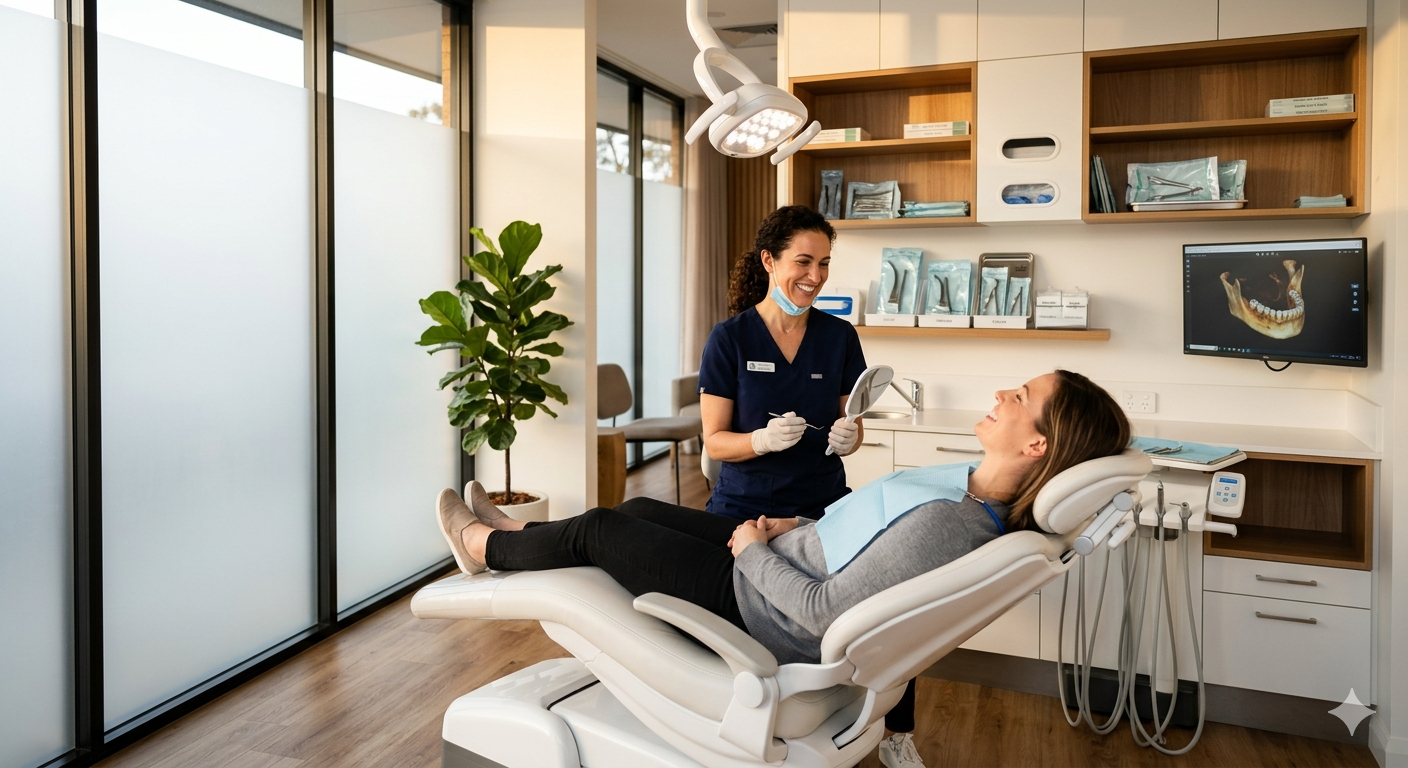
Emergency Dental Implants San Diego CA: Quick Solutions for Your Smile Restoration
When a dental emergency happens in San Diego, having quick access to reliable treatment is crucial. Emergency dental implants offer a fast, effective solution for those facing sudden tooth loss or severe damage. They provide a way to restore a natural-looking tooth quickly, helping patients avoid prolonged discomfort and embarrassment.
Many people worry about the pain and downtime with emergency implants, but modern techniques focus heavily on patient comfort and speed. Dentists in San Diego use advanced technology to make the process as smooth and stress-free as possible, often completing the implant in just one visit.
For anyone dealing with trauma or unexpected tooth issues, knowing that emergency dental implants are available nearby brings peace of mind. This ensures people can smile confidently again without delay and maintain their oral health with professional support.
Understanding Urgent Tooth Loss
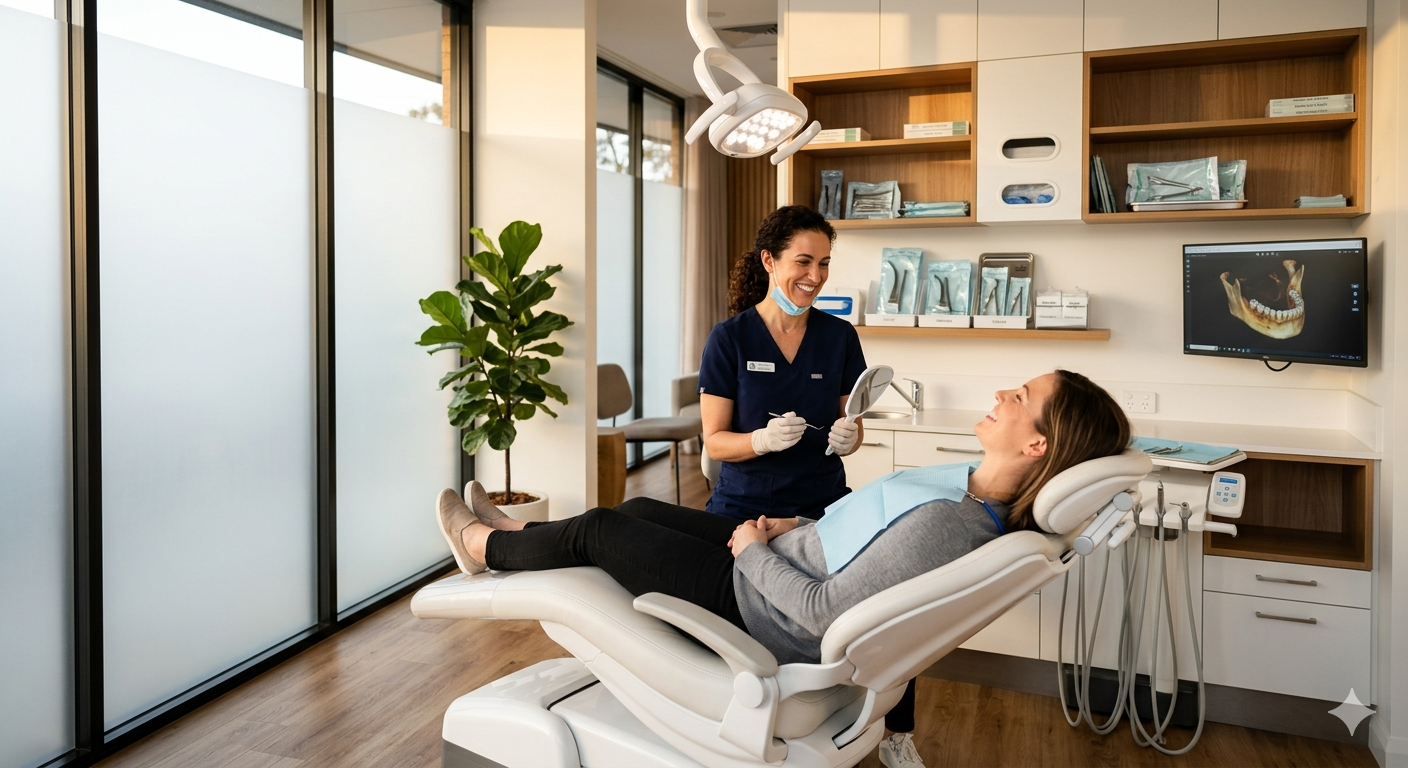
Sudden tooth loss can catch anyone off guard. Knowing what causes it and the immediate risks involved helps patients act quickly and wisely. Quick action can make a big difference in preserving oral health and comfort.
Common Causes of Sudden Tooth Loss
Accidents, like falls or sports injuries, are frequent reasons for sudden tooth loss. A strong blow to the face can loosen or completely knock out a tooth.
Severe decay or advanced gum disease can also cause a tooth to fall out unexpectedly. If an infection weakens the bone supporting the tooth, loss can occur rapidly.
Sometimes, failed dental work or sudden biting on something hard leads to tooth fractures that require removal. These causes highlight the importance of regular checkups and wearing protective gear during activities.
Immediate Risks and Complications
Losing a tooth suddenly increases the risk of infection where the tooth was lost. The open socket can be painful and vulnerable to bacteria.
There is also a chance of damage to the surrounding teeth, gums, or bone. This can make later treatment more complex.
Functionally, sudden tooth loss affects chewing and speaking. Without prompt care, patients may develop bite problems or jaw pain. Protecting the site and seeking timely treatment reduces these complications.
When Is Implant Treatment Considered an Emergency?
Emergency implant treatment is usually recommended when tooth loss leads to severe pain, bleeding, or risk of further damage. If the surrounding bone or gum tissue is compromised, quick action helps preserve anatomy for implant placement.
In some cases, immediate implant placement can be done during the same visit as tooth removal. This approach avoids bone loss and speeds recovery.
If a patient cannot wait for healing before a replacement, urgent consultation is vital. The dental team can provide temporary solutions and plan for implants when timing is right.
Immediate Steps After Tooth Loss
Losing a tooth suddenly can be alarming, but quick, correct action can make a big difference. Knowing how to handle the situation right away helps protect the tooth and eases the path to a successful dental implant.
First Aid Tips for Dislodged Teeth
If a tooth is knocked out, the priority is to preserve it. Avoid touching the root; instead, handle the tooth by the crown. If possible, rinse the tooth gently with milk or saline to clean off debris—do not scrub or use soap.
After cleaning, try to place the tooth back into its socket carefully. If reinserting isn’t possible, store the tooth in a container with milk, saline, or the patient’s saliva to keep the cells alive.
Applying a cold compress to the affected area helps control swelling. Time is critical: ideally, the tooth should be taken to a dentist within 30 minutes, but up to an hour can still offer a chance for successful reimplantation.
What Not to Do in a Dental Emergency
Avoid panicking or delaying care when a tooth is lost. Do not clean the tooth with water from the tap or alcohol, as these can damage its cells.
Never wrap the tooth in a dry cloth or paper towel, which can kill the root cells needed for reattachment.
Avoid using sharp objects to handle or try to reinsert the tooth yourself if it causes pain. Also, don’t chew on the side of the mouth with the injury or eat hard foods before seeing a dentist.
When to Contact a Dentist
Immediately contact a local emergency dentist for guidance after tooth loss. Even if the tooth can’t be reinserted, quick professional evaluation is essential.
Emergency dental implants or temporary solutions can be discussed once the dentist evaluates the damage and oral health status. If bleeding is heavy or continues beyond 15 minutes, it may require urgent medical attention.
Calling a San Diego emergency dental clinic early improves the chances of saving the natural tooth and planning next steps to restore your smile.
The Dental Implant Process in Urgent Cases
When a dental emergency requires an implant, the process is designed to be both swift and thorough. It balances immediate needs with long-term success, using precise imaging, quick implant placement, and temporary tooth replacements for comfort and function.
Initial Assessment and Imaging
The first step involves a detailed evaluation of the dental emergency. The dentist examines the injury or tooth loss carefully and reviews medical history to ensure safety.
Advanced imaging tools like 3D cone beam CT scans provide detailed views of the jawbone. This helps determine bone density and structure, crucial for planning where to place the implant securely.
The quick and accurate imaging minimizes delays and helps customize the treatment plan. It ensures implants are placed exactly where the bone can support them, increasing chances of fast healing.
Same-Day Implant Placement
In many urgent cases, placing the implant on the same day as the tooth extraction saves time and reduces the need for multiple surgeries. This approach avoids long periods without a tooth and shortens recovery.
The dentist removes damaged tooth fragments and cleans the site fully before placing a titanium implant post directly into the jawbone. Immediate placement promotes faster integration and fewer appointments.
This procedure depends on the presence of enough healthy bone and absence of infection. When suitable, same-day implant placement allows patients to leave with a stable foundation for a new tooth right away.
Temporary Solutions for Missing Teeth
While the implant integrates with the bone, which can take several months, temporary teeth help maintain appearance and chewing function. These solutions are designed to be comfortable and discreet.
Options include removable partial dentures or a temporary crown attached to the implant post if stability allows. The choice depends on the location of the missing tooth and patient preferences.
Temporary restorations protect the implant site during healing and give confidence to smile and speak without worry. They are customized to blend smoothly with natural teeth.
Choosing the Right Dental Implant Provider in San Diego
Finding the right dental implant provider affects both the success of the procedure and your comfort during treatment. Important factors include the provider’s experience, knowledge of San Diego’s patient needs, and the questions patients should ask before committing.
Qualities of a Trusted Emergency Dentist
A trusted emergency dentist will have specialized training in implant procedures, along with experience managing urgent dental situations. They should provide clear explanations about the implant process, risks, and recovery. Look for providers who prioritize patient comfort and pain management.
Credentials matter—a certified implant specialist or prosthodontist often offers more expertise than a general dentist. Positive patient reviews, transparent pricing, and a clean, up-to-date office also signal reliability.
Benefits of Local Expertise
Choosing a San Diego provider means familiarity with local dental needs and access to nearby labs or specialists if needed. Local dentists can respond quickly in emergencies, making the treatment process smoother and less stressful.
They understand the specific challenges of San Diego’s climate and lifestyle that might impact healing. This knowledge helps tailor aftercare advice and preventive steps appropriate to the area.
What to Ask During Your Consultation
During the consultation, patients should ask about the provider’s implant success rates and experience with emergency cases. Inquire about the types of implants offered and whether same-day implantation is available.
It’s important to clarify the expected recovery timeline and any post-surgery support provided. Patients should also ask about financing options and insurance acceptance to plan accordingly.
Modern Solutions for Patient Comfort
Emergency dental implants in San Diego focus on reducing pain and stress throughout the process. Patients can expect tailored sedation, advanced technology to make procedures smoother, and strong aftercare support to speed recovery.
Sedation and Anesthesia Options
Dentists offer several sedation methods to help patients feel at ease during implant procedures. Local anesthesia numbs the specific area, preventing pain while keeping patients awake and aware. For those feeling more anxious, nitrous oxide (laughing gas) provides gentle relaxation without knocking patients out.
In more complex or stressful cases, oral sedation or IV sedation may be used. These options place patients in a deeper, calm state, reducing awareness and sensitivity. The choice depends on the patient’s comfort level, health, and the procedure’s complexity. Professionals carefully monitor sedation to ensure safety and quick recovery.
Technology That Eases Treatment
Modern dental offices use precise imaging tools like 3D cone beam CT scans to get detailed views of the jawbone. This helps dentists place implants exactly where they fit best, minimizing surprises and discomfort during surgery.
Computer-guided implant surgery offers incredible accuracy, allowing for smaller incisions and faster healing. Many practices also use laser technology to reduce bleeding and swelling. Together, these tools make implant placement less invasive and much more comfortable for patients.
Aftercare Support and Follow-Up
After an emergency implant, dentists provide clear, customized aftercare plans. This typically includes pain management advice, instructions for oral hygiene, and diet tips to protect the implant site.
Follow-up visits are scheduled to monitor healing and address any concerns quickly. Many clinics also offer emergency contact lines for patients who experience unusual pain or complications. This ongoing care helps patients recover smoothly and keeps their implant healthy long-term.
Preventing Future Dental Emergencies
Taking proactive steps can significantly reduce the chances of dental emergencies. Key measures include consistent daily care and safeguarding teeth during physical activities where injury risks are higher.
Effective Oral Health Habits
Regular brushing and flossing are the foundation of preventing dental emergencies. Using fluoride toothpaste twice a day helps strengthen enamel, making teeth less prone to cracks or decay.
Visiting the dentist every six months for cleanings and check-ups allows early detection of potential problems, such as cavities or gum disease. Avoiding hard or sticky foods can also minimize the risk of chipped or broken teeth.
If someone grinds their teeth at night, using a custom night guard protects teeth from excessive wear that can lead to emergency situations. Hydration is important too, as dry mouth increases the chance of decay and infection.
Protective Gear for Sports and Activities
Wearing a properly fitted mouthguard is essential during contact sports or activities with a high risk of falls. Custom-made mouthguards from a dentist provide better protection than over-the-counter options because they fit securely and comfortably.
Helmets and face shields add an extra layer of defense for teeth and jawbones. Parents should ensure children and teens participating in sports always use this gear.
Even non-contact activities like biking or skateboarding warrant protective wear. Prevention through good equipment can prevent costly emergency implant procedures later on.
Steps to Take if You Suspect Implant Failure
Recognizing implant problems early and knowing how to act quickly can save both time and discomfort. Being aware of clear signs and having a plan to get professional help ensures the best chances for recovery.
Warning Signs to Watch For
Common warning signs of implant failure include persistent pain beyond the usual healing period, swelling around the implant site, and redness or infection. Loosening of the implant or a noticeable shift in its position are also significant red flags. Difficulty chewing or changes in bite comfort can indicate an issue.
Sometimes, a bad taste in the mouth or discharge may signal infection. If any of these symptoms are present, it’s important not to ignore them or wait for them to improve without professional advice.
How to Respond Quickly
If someone suspects implant failure, the first step is to avoid putting pressure on the implant while eating. Soft foods are best until a dentist can evaluate the implant. Keeping the area clean with gentle rinsing using salt water or an antiseptic mouthwash may reduce irritation.
It’s essential not to try repairing or adjusting the implant at home. Promptly making an appointment with a dental professional can prevent worsening of the problem and may offer less invasive treatment options.
Getting Help in San Diego
San Diego has several dental clinics specializing in emergency implant care, many offering same-day or next-day appointments. Look for practices with experienced implant dentists who use modern technology for accurate assessment and treatment.
Patients can contact local dental offices directly or check online for emergency dental implant services. Having a trusted specialist nearby gives peace of mind and quick access to help when implant issues arise.
Insurance and Financing Details for Urgent Implants
Navigating the cost of emergency dental implants can feel overwhelming, but understanding insurance coverage and financing options can ease that burden. Patients have several choices to manage expenses effectively, making urgent care accessible when it matters most.
Dental Coverage for Emergency Implants
Many dental insurance plans cover portions of emergency implant procedures, but coverage varies widely. Typically, insurance may pay for the initial consultation, X-rays, and some surgical fees. However, implants themselves are often classified as elective, meaning patients might cover a large part of the implant and crown costs.
It’s important to review the details of your plan, including deductibles and annual maximums. Some plans also require pre-authorization for emergency implant work. Providers in San Diego often work directly with insurance companies to streamline claims and clarify out-of-pocket costs before treatment begins.
Flexible Payment and Financing Options
To make urgent implant care more affordable, many dental offices offer flexible payment arrangements. Plans might include low or no-interest financing for several months or extended payment terms tailored to patient needs.
Popular third-party financing companies like CareCredit or LendingClub allow you to break down costs into manageable monthly payments. Some offices also accept credit cards or offer in-house payment plans that avoid interest fees altogether when paid within a set period. Discussing these options upfront helps patients focus on healing, not financial stress.
Building Confidence with a New Smile
Emergency dental implants in San Diego can quickly restore not just teeth but also a person’s confidence. When someone loses a tooth unexpectedly, it often affects how they feel about their appearance and their willingness to smile openly.
Dental implants provide a natural-looking and durable solution. Patients often report feeling more comfortable eating, speaking, and socializing after treatment. This improvement can lead to a boost in self-esteem.
The process is designed with patient comfort in mind. Modern techniques reduce discomfort and shorten healing time, helping people get back to their daily lives faster. Knowing that the implant will look and feel like a real tooth makes many feel reassured throughout their recovery.
Here’s what patients can expect:
- A tooth replacement that matches their natural teeth
- Immediate support for facial structure and oral health
- Long-lasting results with proper care
For many, these benefits create a positive change beyond oral health. Being able to smile confidently at work, with friends, or with family often improves emotional well-being.
Encouraging anyone facing sudden tooth loss to speak with a trusted dental professional is key. They can explain options clearly and guide each patient through personalized care to rebuild that smile.
Frequently Asked Questions
Emergency dental implants often require quick decisions and clear information. Understanding timing, symptoms, and payment options can make a big difference when urgent care is needed.
Can a dental implant be placed the same day after a tooth is knocked out or extracted?
In some cases, yes. Immediate implant placement can be done if there’s enough healthy bone and no infection is present. However, the dentist will assess each situation carefully to ensure the best outcome.
How do I know if my situation needs an emergency visit for a broken or failing implant?
Signs like severe pain, swelling, bleeding, or an implant that feels loose indicate you should seek emergency care. Waiting too long can lead to further damage or infection.
What are my options if I need urgent dental care but I don’t have insurance?
Many clinics offer payment plans or sliding-scale fees. Some dental offices in San Diego provide affordable emergency care for uninsured patients, and it’s always good to call ahead and ask what options are available.
What should I do right now if I’m in severe tooth pain and the dentist isn’t open yet?
Rinse your mouth with warm salt water and avoid very hot or cold foods. Take over-the-counter pain relievers following the instructions, and contact your dental office as soon as they open.
How quickly can I be seen for urgent implant-related care in Mission Valley or nearby areas?
Many emergency dental offices provide same-day or next-day appointments. It depends on availability, but urgent cases are typically prioritized to relieve pain and prevent complications quickly.
Will Medi-Cal help cover an emergency dental visit, and what should I bring to my appointment?
Medi-Cal often covers emergency dental services. Bring your Medi-Cal card, ID, and any recent dental records if possible. Confirm coverage details with your provider before your visit for a smoother process.