
1775138996586 2e765f28 Gemini Generated Image 95xp9v95xp9v95xp

Emergency Dental Implants San Diego CA: Swift, Comfortable Solutions for Your Smile

When a dental emergency strikes, quick action is crucial, especially if a tooth is lost or severely damaged. Many people in San Diego worry about how fast they can get help and what options are available. Emergency dental implants provide a timely solution to restore both function and appearance, often within a matter of days.

Dental experts in San Diego are equipped with modern technology and techniques that make emergency implants more accessible and comfortable than ever. This means patients don’t have to wait weeks or months to regain their smile. The process focuses on minimizing pain and maximizing results, helping people get back to their daily lives quickly.

Understanding the basics of emergency dental implants can ease the anxiety around urgent dental care. Knowing when to seek help and what to expect makes the experience less intimidating and more manageable. Patients are encouraged to reach out to their dental provider promptly if faced with a sudden dental injury or tooth loss.

Recognizing Dental Emergencies

Blog image

Dental emergencies demand quick action to protect teeth, alleviate pain, and prevent infections. Knowing the signs and understanding when to get immediate care can save natural teeth and improve recovery outcomes.

Common Signs That You Need Urgent Care

Severe tooth pain that doesn’t improve with over-the-counter medication often signals a serious problem. Swelling around the tooth or jaw, redness, and fever indicate infection needing prompt treatment.

Loose or knocked-out teeth require fast attention. A visible chip or crack exposing the tooth’s inner layers can cause extreme sensitivity and risk further damage.

Bleeding that won’t stop after trauma or a sudden injury to the mouth should be evaluated immediately to avoid complications like excessive blood loss or infection.

When to Seek Immediate Attention

Call or visit an emergency dentist right away if there is:

  • A completely knocked-out tooth
  • Severe, unrelenting pain
  • Intense swelling around the face or neck
  • Difficulty breathing or swallowing
  • Significant bleeding that doesn’t stop with pressure

These situations pose serious risks and can worsen quickly without professional care. Prompt emergency dental implants or treatments in San Diego can preserve oral health and reduce long-term complications.

Understanding Dental Implants in Emergency Situations

Emergency dental implants address urgent tooth loss and severe damage with speed and precision. Patients often need quick solutions that restore function without prolonged discomfort or multiple visits.

What Sets Emergency Implants Apart

Emergency dental implants are designed for rapid placement, often completed in a single day or within 24-48 hours. Unlike traditional implants, which require healing time before attaching a crown, emergency implants use advanced technology to secure temporary restorations quickly.

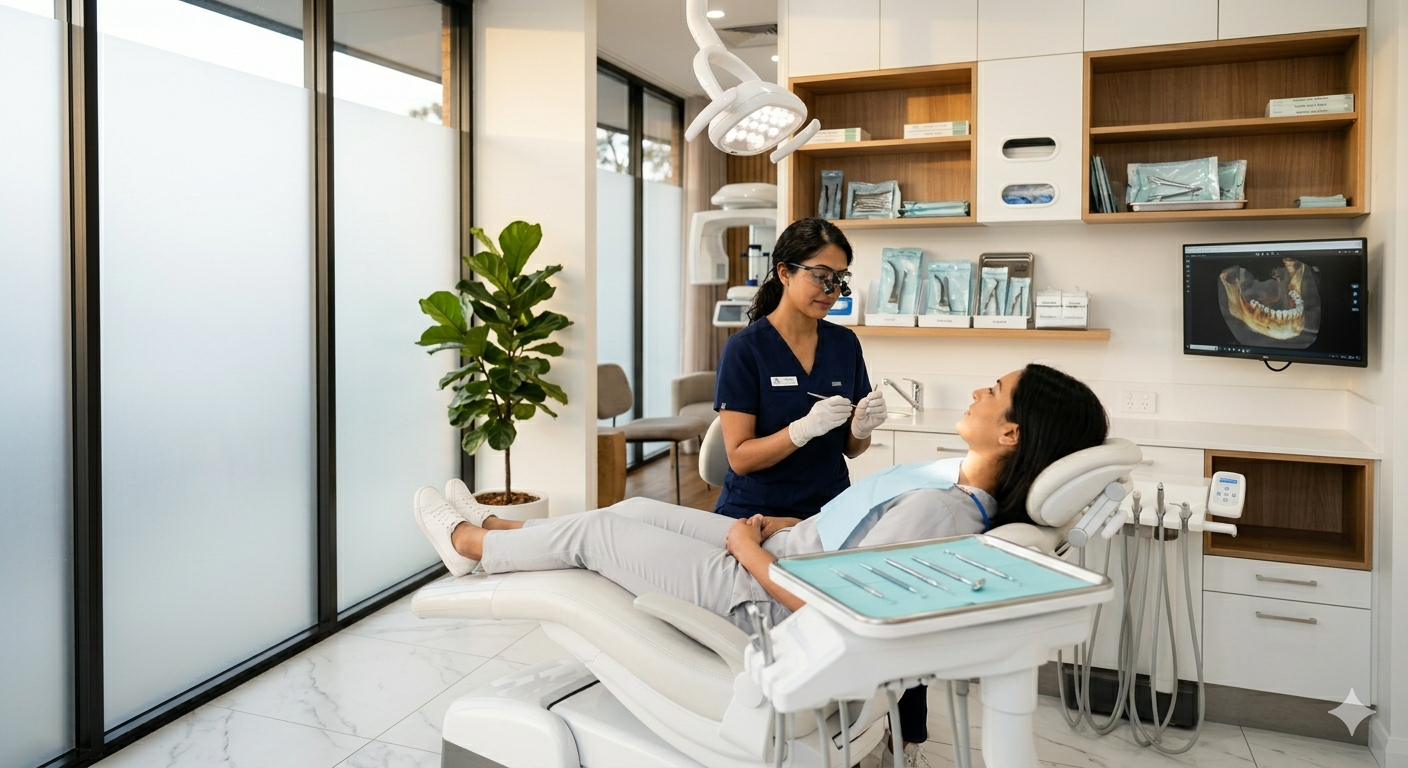
This approach minimizes the gap caused by missing teeth, reducing risks of shifting teeth and jawbone deterioration. Specialized imaging, like 3D scans, helps dentists plan the procedure with exactness, making treatment safer and more predictable in an emergency setting.

Who Is a Candidate for Same-Day Care

Not everyone qualifies for emergency implants right away. Ideal candidates have sufficient jawbone density, good oral health, and no active infections at the implant site. Dentists evaluate factors like gum condition, overall health, and smoking habits before proceeding.

Patients with chronic illnesses such as uncontrolled diabetes or compromised immune systems may require additional care or delay implant placement. A thorough consultation ensures that same-day care is both safe and effective for each individual.

The Emergency Dental Implant Procedure Explained

Emergency dental implants involve a careful but swift approach to replace a tooth that has been lost or damaged. The process starts with a thorough exam to ensure the implant will succeed. Comfort and pain management are prioritized throughout, with options tailored to the patient’s needs. Finally, the actual implant placement and recovery steps are designed to promote healing while minimizing discomfort.

Initial Assessment and Prep

The first step is a detailed evaluation of the tooth site and overall oral health. X-rays or 3D scans are used to check bone density and gum condition, crucial for implant stability. If infection or damage is present, it must be treated promptly before proceeding.

Dentists also review the patient’s medical history to ensure there are no contraindications. They discuss options, explain the procedure, and schedule the implant placement. Preparation might include cleaning the area or using antibiotics if needed.

Comfort Measures and Anesthesia Options

Patient comfort is a top priority during emergency implant procedures. Depending on the case, local anesthesia typically numbs the site to prevent pain. For anxious patients, sedation options like oral sedatives or nitrous oxide (“laughing gas”) may be offered.

These methods help patients relax without losing full awareness. The dental team continuously monitors comfort and adjusts as needed. This focus allows the procedure to be smooth, even in urgent situations.

What to Expect During and After Placement

The implant is carefully positioned into the jawbone through a small incision. This step usually takes 30 to 60 minutes, depending on complexity. After placement, a temporary crown or healing cap might be placed to protect the site.

Recovery involves some swelling or soreness, typically manageable with over-the-counter pain relief. Patients are advised to avoid hard foods and maintain excellent oral hygiene to support healing. Follow-up visits ensure the implant integrates properly and the area remains healthy.

Choosing a San Diego Dental Team for Urgent Implants

Finding the right dental team in San Diego for emergency implants means looking beyond quick fixes. Patients need a provider who combines expertise with compassionate care and clear communication.

Qualities of a Reliable Provider

A dependable dental team offers experience specifically with urgent implant cases. They should have a proven track record of handling emergencies efficiently while ensuring minimal discomfort.

Look for dentists who use the latest implant technology. Modern tools like 3D imaging and guided surgery improve precision and speed recovery time. The clinic should prioritize patient comfort, offering sedation options and gentle post-procedure care.

Strong patient reviews and accreditation from professional dental boards also indicate trustworthiness. Transparent pricing and clear treatment plans help patients feel confident about their urgent care choices.

Questions to Ask Before Treatment

Before proceeding, patients should ask about the dentist’s experience with emergency implants. How many urgent cases have they handled? What is their success rate?

Inquire about the timeline: How soon can the implant be placed after tooth loss? Will temporary restorations be provided? Patients often worry about aesthetics and function during healing.

Clarify the costs involved and what insurance may cover. It’s important to know about aftercare and possible follow-up appointments. Understanding pain management options and potential risks can ease anxiety ahead of treatment.

Recovery and Aftercare Tips for Emergency Implants

Proper care after an emergency dental implant can make a significant difference in healing time and overall comfort. Taking specific steps to manage pain and protect the implant site helps ensure the best possible outcome.

Managing Discomfort at Home

Pain and swelling are common after implant surgery, but they can be managed effectively. Applying an ice pack to the cheek for 15-minute intervals during the first 24 hours reduces swelling and numbs the area. Patients should take prescribed pain medication exactly as directed, avoiding aspirin since it can increase bleeding.

Soft foods and plenty of fluids are recommended for the first few days. Avoid hot drinks, spicy foods, and alcohol, as these can irritate the implant site. Rest is important, and patients should keep their head elevated to minimize swelling.

Caring for Your Smile During Healing

Oral hygiene is critical after surgery, but it must be gentle around the implant. Patients should rinse with a saltwater solution (½ teaspoon salt in 8 ounces of warm water) several times daily, especially after eating, to keep the area clean without disrupting the healing tissue.

Brushing should be done carefully with a soft-bristled toothbrush, avoiding the implant site for the first week. Avoid tobacco products as they can delay healing and increase the risk of infection. Follow-up visits allow the dentist to monitor progress and provide additional care if needed.

Preventing Future Dental Emergencies

Maintaining strong, healthy teeth requires daily care and smart habits. Taking clear steps to protect teeth during physical activity is equally important for avoiding sudden damage.

Practical Steps for Oral Health

Consistent oral hygiene is the foundation for preventing emergencies. Brushing twice a day with fluoride toothpaste removes plaque and strengthens enamel. Flossing daily helps stop decay between teeth, where brushes can’t reach.

Regular dental check-ups are crucial. Dentists spot problems early, whether cavities or gum issues, that could later lead to pain or tooth loss. Addressing small concerns right away saves discomfort and complex treatments.

Eating a balanced diet rich in calcium and low in sugary snacks builds stronger teeth. Limiting acidic drinks protects enamel from erosion. Drinking water after meals rinses food particles away and supports saliva flow to naturally clean teeth.

Protective Measures for Active Lifestyles

For those who play sports or have active hobbies, mouthguards are essential. Custom-fitted guards cushion blows and prevent broken teeth or jaw injuries during contact sports like football or hockey.

Using helmets with face protection reduces the risk of facial trauma from falls or collisions. Even non-contact activities like skateboarding or cycling benefit from these precautions.

Avoid using teeth for non-food tasks, like opening packages or biting hard objects. These habits can cause fractures. Instead, use tools designed for those jobs to keep teeth intact.

Encouraging patients to combine good daily care with protective gear greatly lowers the chance of sudden dental emergencies. A visit to a local San Diego dental office can provide personalized advice and fitting for safety products.

Rebuilding Confidence After Dental Trauma

Dental trauma can shake anyone’s confidence. When teeth are damaged or lost suddenly, it often affects more than just appearance—it can impact how a person smiles, eats, and interacts socially.

Emergency dental implants in San Diego offer a way to restore both function and looks quickly. These implants help patients regain a natural smile, which many find boosts self-esteem. The procedure is designed to be as comfortable as possible, with modern techniques minimizing healing time.

Patients often notice improvements not only in their smiles but in their overall confidence. Feeling secure about eating and speaking again plays a big role in everyday comfort.

Key benefits of emergency implants for confidence:

  • Natural appearance
  • Stable and comfortable fit
  • Long-term durability

Dentists in San Diego work closely with each patient to create a personalized treatment plan. This tailored approach ensures the results feel natural and support everyday life.

Taking that first step to consult can be the start of a smoother recovery. Asking questions and understanding options helps patients feel more in control and hopeful about their dental health journey.

Your Next Steps for Smile Restoration

Once a patient decides on emergency dental implants in San Diego, the first step is scheduling a thorough evaluation. This allows the dentist to assess the injury, bone health, and overall oral condition.

During this visit, they will discuss treatment options, timelines, and costs. Patients often appreciate clear answers about what to expect before and after the procedure.

Next comes planning the implant placement. The dentist might use 3D imaging to pinpoint the best position for the implant. This ensures a comfortable fit that supports chewing and looks natural.

After the implant is placed, healing time is necessary. This lets the implant bond with the bone—a process called osseointegration. In many cases, a temporary crown or bridge may be provided to maintain appearance and function.

Patients are encouraged to follow post-op care instructions carefully. Proper hygiene, diet modifications, and avoiding strenuous activity help recovery.

Finally, regular follow-up visits will ensure the implant remains healthy. Dentists will check integration and address any issues early on.

Key tips for patients:

  • Keep all scheduled appointments
  • Report pain or swelling immediately
  • Maintain excellent oral hygiene
  • Avoid smoking and alcohol during healing

By taking these steps, patients can move confidently toward a restored smile. A consultation with a trusted San Diego implant specialist will clarify the best plan moving forward.

Frequently Asked Questions

Emergency dental implant cases raise important questions about timing, costs, and care steps. Understanding these details helps patients know what to expect and how to act quickly and wisely.

Can I get an implant the same day after a tooth breaks or is knocked out?

In many cases, yes. If the area is healthy and there’s no infection, a dentist in San Diego may place an implant the same day as the injury.

However, it depends on the specifics of the damage and overall oral health. Quick treatment improves outcomes but requires thorough evaluation.

What are my options if I need an implant urgently but don’t have dental insurance?

Some clinics offer payment plans or financing options for urgent care. Patients might also find discount dental programs or community health resources to reduce costs.

It’s best to contact the dental office directly to discuss affordable solutions tailored to each patient’s situation.

Do you offer emergency appointments after hours or on weekends for implant-related problems?

Many emergency dental offices in San Diego provide after-hours or weekend appointments to handle urgent implant issues.

Availability varies by practice, so calling ahead or checking online can confirm emergency options nearby.

How do I know if I’m a candidate for immediate implant placement after an extraction?

A candidate typically has good bone health, no active infections, and enough jawbone volume to support the implant.

Dental professionals perform imaging and exams to decide if immediate placement is safe and effective for each patient.

What should I do right now if my implant crown or screw feels loose or falls out?

Contact your dentist immediately to avoid further damage. Keep any parts you find and avoid chewing on that side.

Prompt professional care is essential to fix the problem and protect the implant site.

Are there payment plans or low-cost programs available if I can’t afford an implant right away?

Many dental offices in San Diego offer flexible payment options, including monthly plans. Some community clinics provide lower-cost implant services.

Inquiring about these choices can make treatment more manageable without delaying necessary care.
1775138996586 2e765f28 Gemini Generated Image 95xp9v95xp9v95xp

Dentures Dental Service San Diego CA: Comfortable, Modern Solutions for Your Smile

Dentures are a common and effective solution for people who have lost some or all of their natural teeth. In San Diego, CA, dental services specializing in dentures focus on creating comfortable, natural-looking replacements that help patients regain their smile and confidence. The key to successful dentures is a precise fit and personalized care, which skilled dentists in San Diego are ready to provide.

Many dental offices offer modern denture options, including partial and full dentures, made with advanced materials for better comfort and durability. These services often include thorough assessments and follow-up adjustments to ensure the dentures feel right and function well in daily life.

With a friendly approach, dentists in San Diego also emphasize patient comfort and provide clear guidance on maintaining dentures for long-lasting results. They encourage anyone considering dentures to reach out, ask questions, and explore the treatment options that fit their lifestyle.

What Are Dentures?

Blog image

Dentures are removable dental appliances designed to replace missing teeth. They restore both the function and appearance of natural teeth, helping patients chew, speak, and smile confidently. Understanding the different types, how they work, and when to consider them is important for making the right choice.

Types of Dentures

There are primarily three types of dentures: full, partial, and implant-supported. Full dentures replace all the teeth in the upper or lower jaw. Partial dentures fill in spaces when some natural teeth remain, using metal clasps or precision attachments to stay in place. Implant-supported dentures attach securely to dental implants fixed in the jawbone, providing extra stability. Each type varies in cost, comfort, and care requirements. A dentist will recommend the best option based on a patient’s oral health, bone structure, and lifestyle.

How Dentures Work

Dentures work by resting on the gums and underlying bone, replacing the function of natural teeth. Full dentures rely on suction and a close fit to stay in place. Partial dentures use clasps that grip adjacent teeth for support. Implant-supported dentures clip onto titanium implants surgically placed in the jaw, creating a stronger bond. Proper fit is crucial to prevent discomfort, slipping, or damage. Dentures also help maintain facial structure, preventing the sunken look that can occur with tooth loss.

When to Consider Dentures

Patients often consider dentures after significant tooth loss due to decay, injury, or gum disease. They are a practical solution when teeth are too damaged to save or when multiple teeth are missing. Dentures may also suit those seeking a non-invasive and affordable alternative to implants or bridges. A dental professional will evaluate oral health and discuss goals to determine if dentures are the right fit. Early consultation can prevent further dental issues and improve quality of life with effective tooth replacement.

Benefits of Modern Dentures

Modern dentures offer more than just replacing missing teeth. They provide improved functionality, comfort, and enhance the natural appearance of your smile. With advances in dental materials and techniques, today’s dentures fit better and look more lifelike than ever before.

Restoring Your Smile

Modern dentures are designed to closely match the shape, size, and color of natural teeth. This helps restore a patient’s smile so it looks balanced and natural. Unlike older dentures, they use lightweight materials that mimic the translucency and texture of enamel.

Replacing missing teeth also supports facial muscles, preventing the sunken look often associated with tooth loss. This not only helps with aesthetics but also aids in maintaining facial structure. Patients often report improved speech clarity because new dentures stabilize tongue and lip movement.

Improved Comfort and Function

Today’s dentures use precision fitting techniques like digital impressions, which reduce irritation and soreness. The base material is softer and more flexible, adapting to the gums’ unique contours. This leads to fewer pressure points and longer wear times without discomfort.

Functionally, modern dentures make chewing easier. They distribute bite force evenly, allowing for a broader diet including fruits, vegetables, and proteins. Many patients find their dentures stay securely in place better due to improved adhesives or implant-supported options.

Boosting Confidence

Wearing modern dentures often boosts self-esteem. Patients feel more comfortable smiling, talking, and eating in social settings without fear of slipping dentures or noticeable gaps. The natural look helps avoid the “false teeth” appearance, reducing any self-consciousness.

Dentists often recommend customization options such as tooth shape or shade selection to reflect the patient’s personality. This personalized approach strengthens the emotional benefits and encourages patients to regain normal routines with confidence and ease.

Dentures Dental Service in San Diego, CA

Dentures in San Diego are designed with patient comfort and precise fit in mind. Advanced techniques and local knowledge ensure tailored treatment plans that match individual needs. Each step focuses on restoring natural appearance and function while supporting overall oral health.

Choosing the Right Dentist

Selecting a denture provider involves more than just location. Patients should look for dentists with specific experience in prosthodontics or restorative dentistry. A skilled dentist will offer thorough evaluations and discuss all types of dentures—partial, full, or implant-supported—based on the patient’s oral condition.

Credentials matter; board certifications or memberships in professional dental organizations indicate a commitment to ongoing education. Reviews and patient testimonials can reveal how comfortable and supported others felt during their treatment. Trust and communication between patient and dentist are key to a successful denture experience.

Personalized Fitting Process

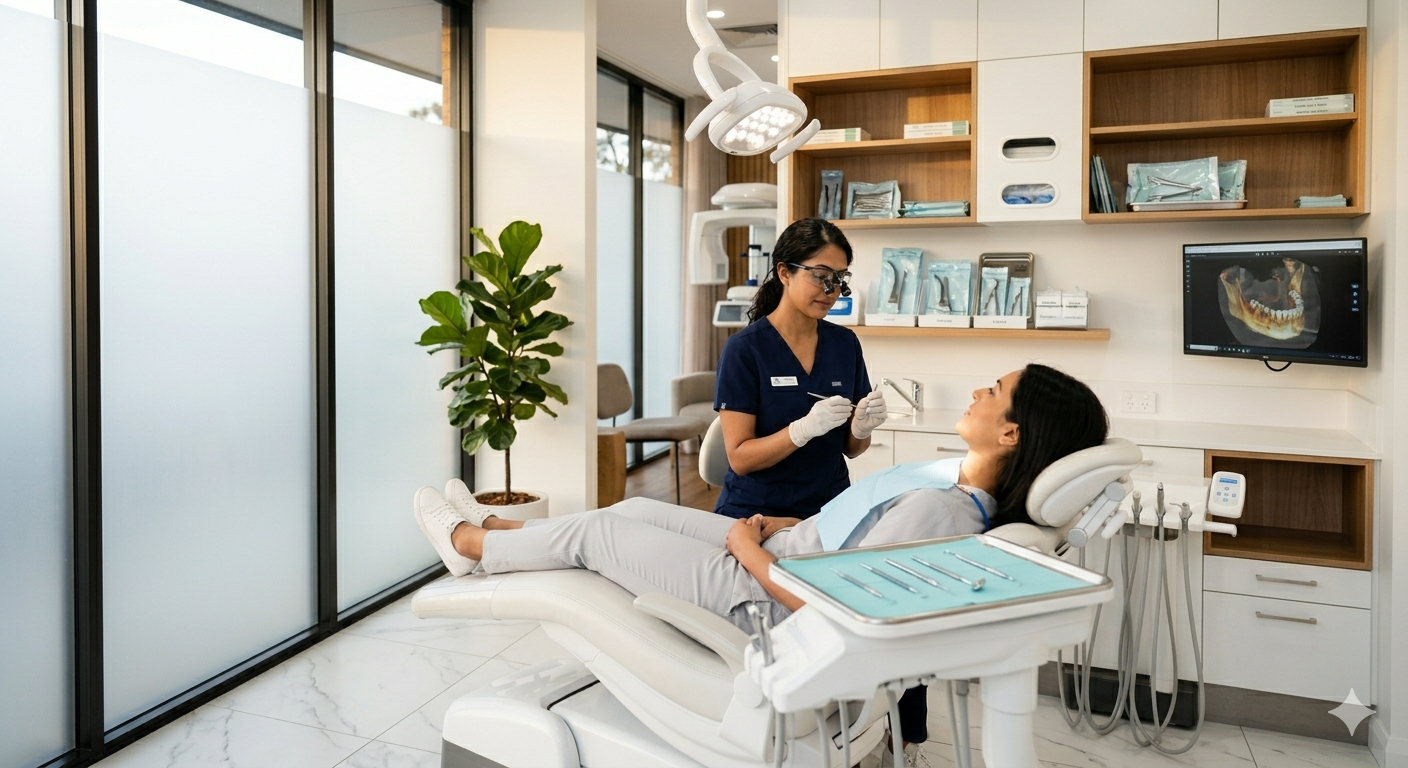
A careful fitting process shapes how comfortably dentures will feel and how well they function. First, detailed impressions of the gums and any remaining teeth create a foundation for customization. Digital scanning may also be used for accuracy and quicker adjustments.

During fitting appointments, dentists check bite alignment, denture stability, and patient comfort. It’s normal for minor adjustments to be needed in the days following insertion. Regular follow-ups allow the dental team to address any sore spots or fit issues, ensuring the dentures perform well in everyday activities like eating and speaking.

Local Expertise and Community Care

San Diego dentists understand the unique lifestyle and environmental factors that affect oral health here. Many practices incorporate preventive care with denture services, focusing on gum health and overall mouth wellness.

Local providers often offer flexible appointment scheduling and support for seniors and patients with special needs. Their commitment to patient education helps individuals maintain dentures longer and avoid common issues like irritation or bone loss. Community ties also mean easier referrals for implant dentistry or specialist care if needed later on.

Step-by-Step Denture Treatment Process

Getting dentures involves several carefully planned stages to ensure comfort and a natural fit. Each step focuses on customization, precision, and making sure patients feel supported throughout their journey.

Initial Consultation and Assessment

The journey begins with a thorough dental exam and discussion of oral health history. The dentist checks gum condition, jawbone health, and remaining teeth if any. This helps determine whether full or partial dentures will work best.

Digital scans or impressions of the mouth often follow, capturing detailed shapes needed for creating custom dentures. The dentist also talks about lifestyle, diet, and cosmetic goals to tailor the treatment plan accordingly. This step sets clear expectations about timelines, costs, and care.

Custom Design and Fabrication

Once the blueprint is ready, lab technicians craft dentures using materials like acrylic or flexible resin. The design balances durability and appearance, matching natural tooth color and gum tone for a realistic look.

This stage involves creating wax or plastic models for trial fitting. Adjustments can be made before the final dentures are produced. Working closely with the dental team ensures the dentures will fit comfortably and support speech and chewing properly.

Fitting and Adjustments

At the initial fitting, the dentist places the dentures and checks for snugness without causing pressure or soreness. They guide patients on how to insert and remove the dentures properly.

Follow-up visits focus on fine-tuning the fit, addressing any areas of irritation, and improving bite alignment. Patients are also shown how to keep dentures clean to prevent infections. Gradual adaptation makes wearing dentures more natural with time.

Caring for Your Dentures

Proper denture care is essential for comfort, durability, and oral health. It involves routine cleaning, adjusting to wearing dentures, and scheduling regular dental visits to ensure everything fits well and functions properly.

Daily Cleaning Tips

Dentures should be cleaned every day to prevent plaque buildup and stains. Start by rinsing them under cool water to remove loose food particles. Avoid hot water, which can warp the denture material.

Use a soft-bristled brush or denture brush with a mild, nonabrasive cleanser specifically designed for dentures. Do not use regular toothpaste, as it can be too harsh and cause tiny scratches that harbor bacteria.

After brushing, soak the dentures overnight in a denture-cleaning solution or plain water to keep them moist and maintain their shape. Rinse thoroughly before placing them back in the mouth in the morning.

Getting Used to Wearing Dentures

Adapting to dentures often takes time and patience. Initially, some soreness, increased saliva, or mild speech changes are common. These symptoms typically decrease within a few weeks as the mouth adjusts.

Eating with dentures requires practice. Start with soft, easy-to-chew foods, cutting them into smaller pieces. Chew slowly and evenly on both sides of the mouth to keep the denture stable. Avoid sticky or hard foods that can dislodge or damage dentures.

Speaking may feel awkward at first. Reading aloud or repeating tricky words can help improve speech clarity. Persistent discomfort or fitting issues should be addressed by the dentist promptly to avoid irritation or sores.

Regular Check-Ups

Routine dental appointments are crucial for denture wearers. The mouth continues to change shape over time, which can affect how dentures fit. Loose or ill-fitting dentures can cause pain, sores, or difficulty chewing.

During check-ups, the dentist examines oral tissues for signs of infection or irritation and checks denture condition. Adjustments, relining, or repairs may be needed to maintain a secure and comfortable fit.

Professional cleanings help remove stains and buildup that regular brushing can miss. Scheduling visits every 6 to 12 months supports overall oral health and keeps dentures functioning well.

Common Concerns About Dentures

Many people worry about how dentures will feel, function, and last once fitted. Understanding these common concerns helps ease the transition and promotes confident wear.

Addressing Fit and Comfort Issues

Fit is crucial for denture comfort and function. Poorly fitting dentures can cause soreness, irritation, or even sores on the gums. Most dental offices in San Diego offer adjustments after the initial fitting to ensure dentures sit comfortably and securely.

Materials and design have improved greatly, providing a closer fit to natural gum contours. Patients are advised to wear dentures regularly to allow gums to adapt, but should remove them overnight to prevent irritation. If discomfort persists, a follow-up visit is essential to prevent long-term problems.

Eating and Speaking With Dentures

Eating with dentures takes practice. Chewing tougher foods may be challenging at first, so starting with softer items and cutting food into smaller pieces is recommended. Over time, users usually regain confidence and can eat a wider variety of meals.

Speech changes are common when first wearing dentures. Certain sounds, like “s” or “f,” may feel tricky. Repetition and reading aloud can help adjust tongue and lip movements. If speech problems continue, a dental appointment can check the fit or suggest minor adjustments.

Longevity and Durability

Dentures typically last between 5 to 10 years, depending on wear, care, and changes in mouth shape. Regular dental check-ups are key to extending their lifespan and ensuring ongoing comfort.

Avoiding hard or sticky foods reduces damage risks. Proper daily cleaning with a soft brush and denture cleaner keeps them free from stains and bacteria. Patients should never use regular toothpaste or hot water, as these can cause cracks or warping.

Alternatives to Traditional Dentures

There are several modern options that provide more stability and comfort than traditional dentures. These choices often involve surgery but offer improved function and a more natural feel.

Dental Implants

Dental implants are titanium posts surgically placed into the jawbone, acting as artificial tooth roots. Once healed, they support crowns that look and function like natural teeth.

Implants help prevent bone loss and provide excellent chewing power. They don’t rely on adhesives or gums to stay in place, which many find more comfortable. The process takes time, including healing, but the results last for many years with proper care.

Patients should have healthy gums and enough bone for implants. Consultations and X-rays help dentists plan the best placement.

Implant-Supported Dentures

Implant-supported dentures combine dentures with dental implants for improved stability. Instead of resting on the gums, these dentures snap or clamp onto implants.

This method reduces slipping and irritation common with traditional dentures. It also enhances chewing efficiency and speech clarity. Implant-supported dentures can be fixed or removable, offering flexibility based on patient needs.

They require fewer implants than individual crowns, often two to four for a full arch. This option balances affordability and function while providing a more secure fit than regular dentures.

Cost and Insurance Information

Understanding the costs involved with dentures and how insurance may help can ease worries about treatment expenses. Many factors affect pricing, and knowing the available payment options helps patients plan accordingly.

Typical Pricing in San Diego

The cost of dentures in San Diego usually ranges from $600 to $2,500 per arch. Full dentures tend to be more expensive than partial ones because they replace all teeth in the upper or lower jaw. Basic dentures may cost less but often use traditional materials. Premium dentures with better fit, aesthetics, and durability can increase the price.

Additional fees might include consultations, impressions, adjustments, and relines. Customization and lab costs also impact the total. Prices vary by practice, so patients should ask for detailed estimates upfront to avoid surprises.

Insurance Coverage

Many dental insurance plans cover at least part of denture costs, especially if they are medically necessary. Typical coverage ranges from 50% to 80% for dentures after deductibles are met. However, plans often limit coverage for replacements to once every 5-7 years.

Some insurance policies exclude cosmetic upgrades or only cover basic dentures. It’s important to check the specifics of a dental plan, including waiting periods and annual maximums, to understand out-of-pocket expenses clearly.

Flexible Payment Options

Dental offices in San Diego frequently offer flexible payment plans to spread the cost of dentures over time. These might include no-interest financing for 6 to 12 months or low-interest extended plans. Using credit cards designed for medical expenses is another option.

Some practices accept CareCredit or similar third-party financing companies, making treatments more affordable. Patients should inquire about payment options early to find the best fit for their budget, reducing financial stress while receiving care.

Why Choose Our San Diego Dental Team

This dental team combines skilled hands with a welcoming atmosphere, all while making sure patients fully understand their care options. They tailor denture services to fit individual needs, focusing on comfort and long-term oral health.

Experienced Denture Specialists

The team includes dentists who specialize in fitting and crafting dentures with precision. They have years of hands-on experience managing all types of dentures—from partials to full sets—and understand how to achieve a natural look.

Using the latest dental technologies, they ensure dentures fit securely without causing irritation or discomfort. Their expertise helps patients regain easy chewing and clear speech, which are often challenges with traditional dentures.

Each patient receives a personalized treatment plan. This addresses unique oral structures and lifestyle needs, leading to better results and higher satisfaction.

Warm, Supportive Environment

Patients find a friendly setting where their worries about dentures are addressed with kindness and respect. The staff listens carefully and takes extra time to answer questions.

The office is designed to offer comfort from the moment you enter, with calming colors and a relaxed pace in appointments. This approach reduces anxiety often linked to dental visits.

They also encourage ongoing communication after fittings, helping patients adjust and resolve any issues quickly. This support network makes the denture journey less stressful.

Commitment to Patient Education

Clear information is central to their care. Patients receive detailed explanations about denture options, maintenance, and what to expect during each step.

Visual aids and simple handouts help break down complex terms, so everyone can make informed decisions. They address common concerns about durability, cleaning, and how dentures affect daily life.

By empowering patients with knowledge, the team builds confidence and encourages proactive oral care habits. This educational focus results in better denture outcomes and healthier smiles over time.

Next Steps Toward a Healthy Smile

Once dentures are fitted, maintaining oral health becomes the next important focus. Regular cleaning of both your gums and dentures helps prevent irritation and infections. Patients should gently brush their gums, tongue, and palate every day before putting dentures in.

Visiting the dental office for check-ups is essential. Dentists can monitor the fit of the dentures and check for any changes in the mouth. Adjustments may be needed over time to keep the dentures comfortable and functional.

Here are a few simple tips to follow:

  • Clean dentures daily with a soft brush and denture cleaner.
  • Avoid harsh toothpaste that can scratch dentures.
  • Remove dentures at night to let gums rest.
  • Stay hydrated to reduce dry mouth issues.

Modern denture options often include flexible materials and natural-looking designs. Patients should feel comfortable discussing preferences with their dentist to find the best solution.

Encouraging open communication helps reduce worries and ensures the best care. If questions arise or discomfort appears, contacting the dental provider promptly is wise. Together, they can work toward a smile that feels both healthy and natural.

Frequently Asked Questions

The cost of dentures varies based on materials, type, and dental practice location. Choosing the right denture depends on your oral health and lifestyle. Same-day dentures offer quick solutions but may require patience during adjustment. Finding a trustworthy provider means knowing what to ask and checking credentials. Seniors have options for affordable dentures through insurance and assistance programs. The adjustment period is normal, and specific tips can ease discomfort.

How much does a full set of dentures typically cost in California, and what factors can change the price?

A full set of dentures in California usually ranges from $1,200 to $3,000. Factors affecting price include the denture material, complexity of the fit, and whether extractions or preparatory work are needed. More advanced options like implant-supported dentures cost more.

What’s the difference between full dentures, partial dentures, and implant-supported dentures, and how do I know which one fits me best?

Full dentures replace all teeth in the upper or lower jaw. Partial dentures fill in gaps where some natural teeth remain. Implant-supported dentures are anchored to dental implants, offering more stability. A dentist evaluates your oral condition and preferences to recommend the best fit.

Can I really get dentures in a day, and what should I expect from same-day denture options?

Yes, same-day dentures are possible but usually involve immediate or temporary dentures. These allow you to leave the office with teeth but may need adjustments or replacement later. Expect an initial period of fit changes as your gums heal.

How do I find a denture provider I can trust, and what questions should I ask during a consultation?

Look for providers with good reviews, proper licensing, and experience in dentures. Ask about their denture options, adjustment policies, and follow-up care. Inquire about their approach to comfort and whether they offer a trial or guarantee.

Are there affordable ways for seniors to get dentures, such as insurance benefits, discount plans, or assistance programs?

Medicare usually doesn’t cover dentures, but some Medicaid programs in California do. Seniors may also find help through dental discount plans, non-profit organizations, or local health clinics offering reduced fees. Always ask about payment plans or financial assistance.

What is the adjustment period like with new dentures, and how can I reduce sore spots and improve comfort quickly?

The adjustment period can last several weeks as the mouth adapts. Sore spots are common and often improve with minor dental adjustments. Using denture adhesives, practicing speaking and eating slowly, and maintaining oral hygiene help ease the process.