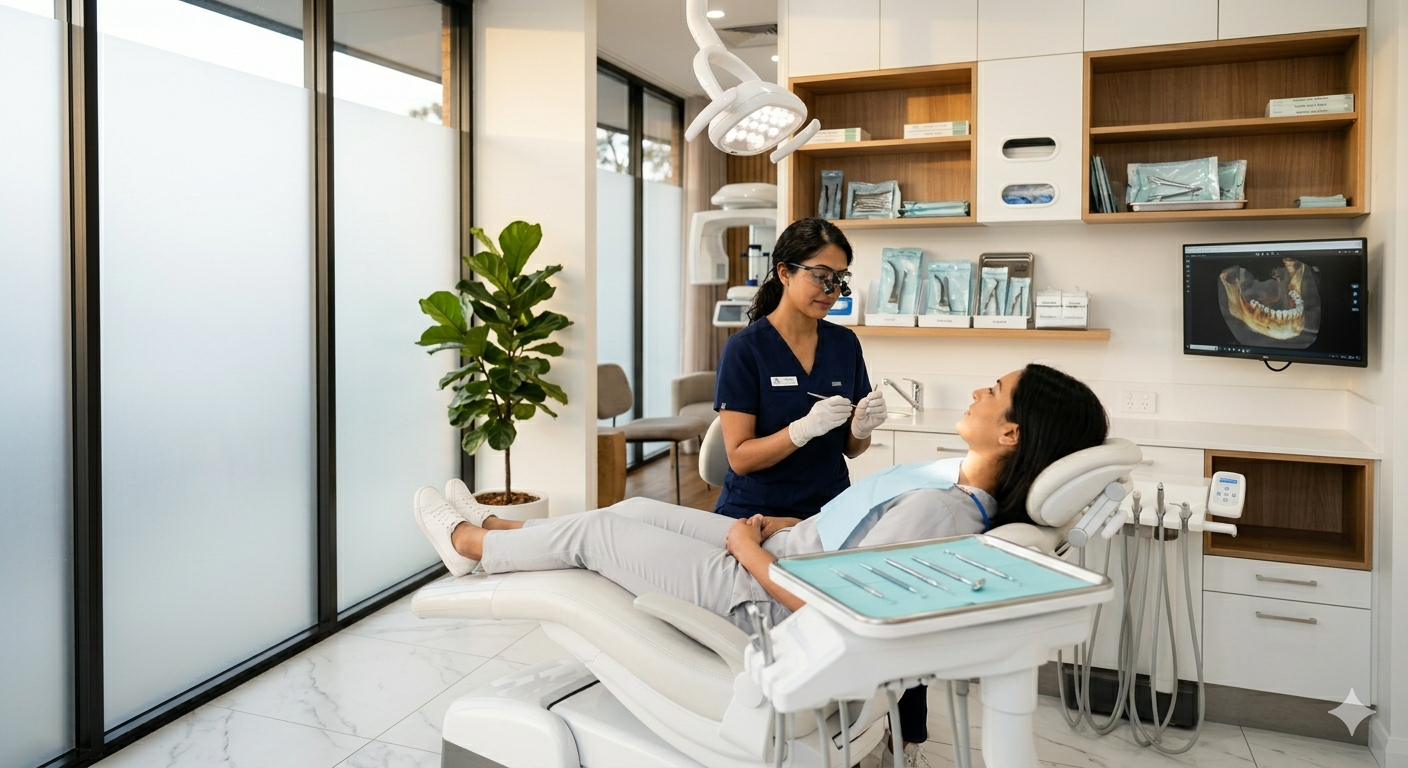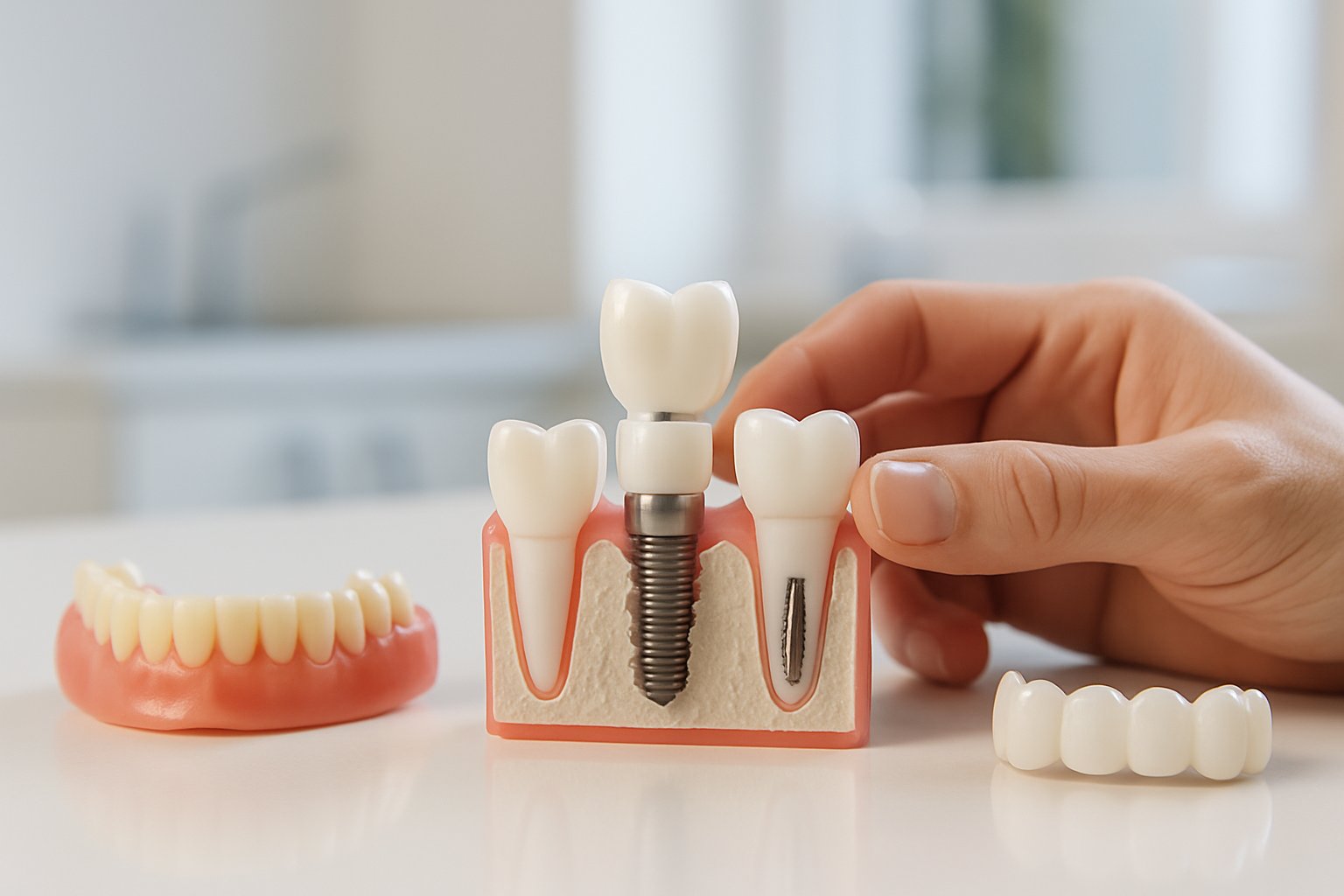
1775139106140 32516852 Gemini Generated Image Qi5d75qi5d75qi5d

Cost of Veneers San Diego CA: Affordable Options, What to Expect, and Financing Tips

Thinking about veneers in San Diego? Expect to pay anywhere from a few hundred to a few thousand dollars per tooth depending on materials and the dentist’s expertise, with porcelain veneers and specialty labs pushing costs to the higher end.

They’ll explain how factors like the type of veneer, preparatory work, lab fees, and the dentist’s experience shape pricing, and why Scottsdale-quality results often cost more. The article will walk through real pricing ranges, what’s included in fees, financing and insurance considerations, long-term value, and how to choose the right cosmetic dentist so you can make an informed decision about your smile.

Understanding Veneers
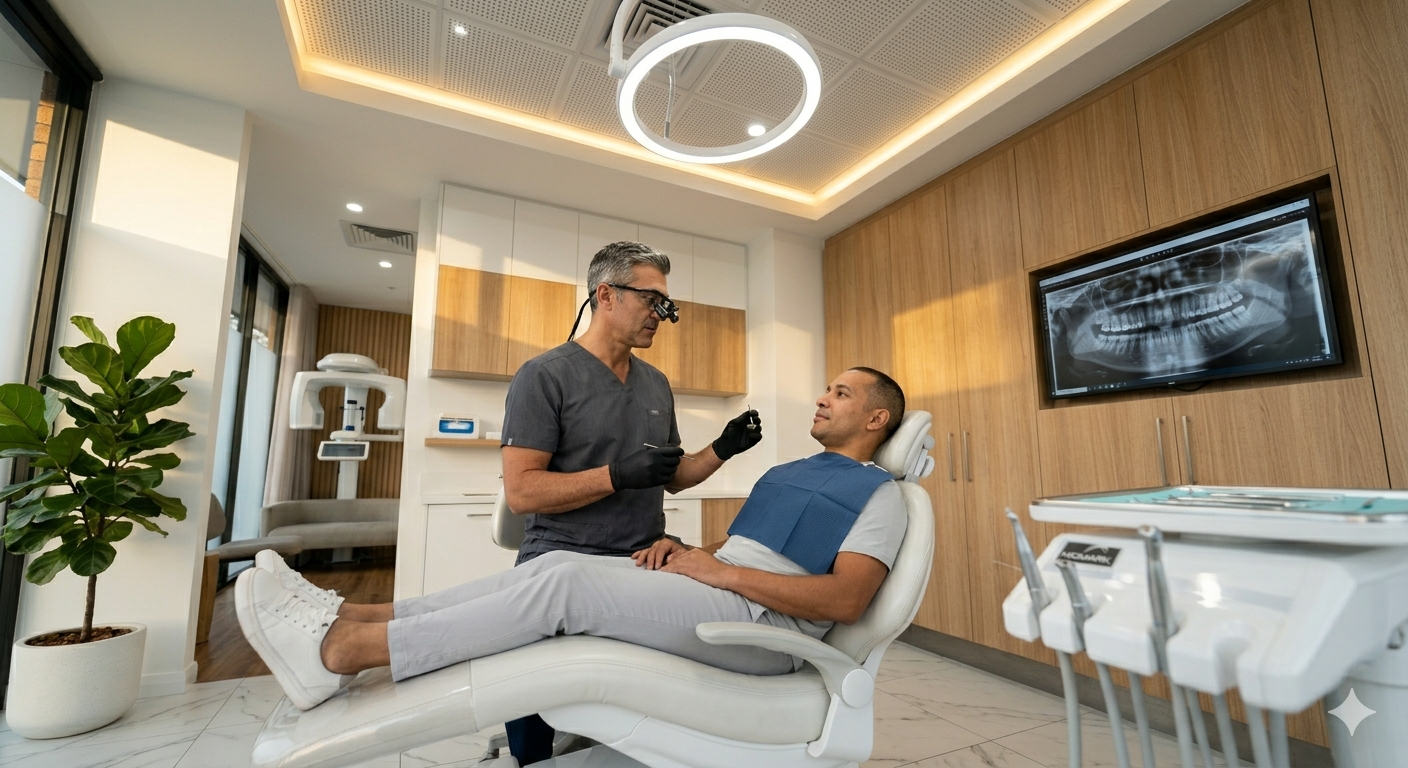
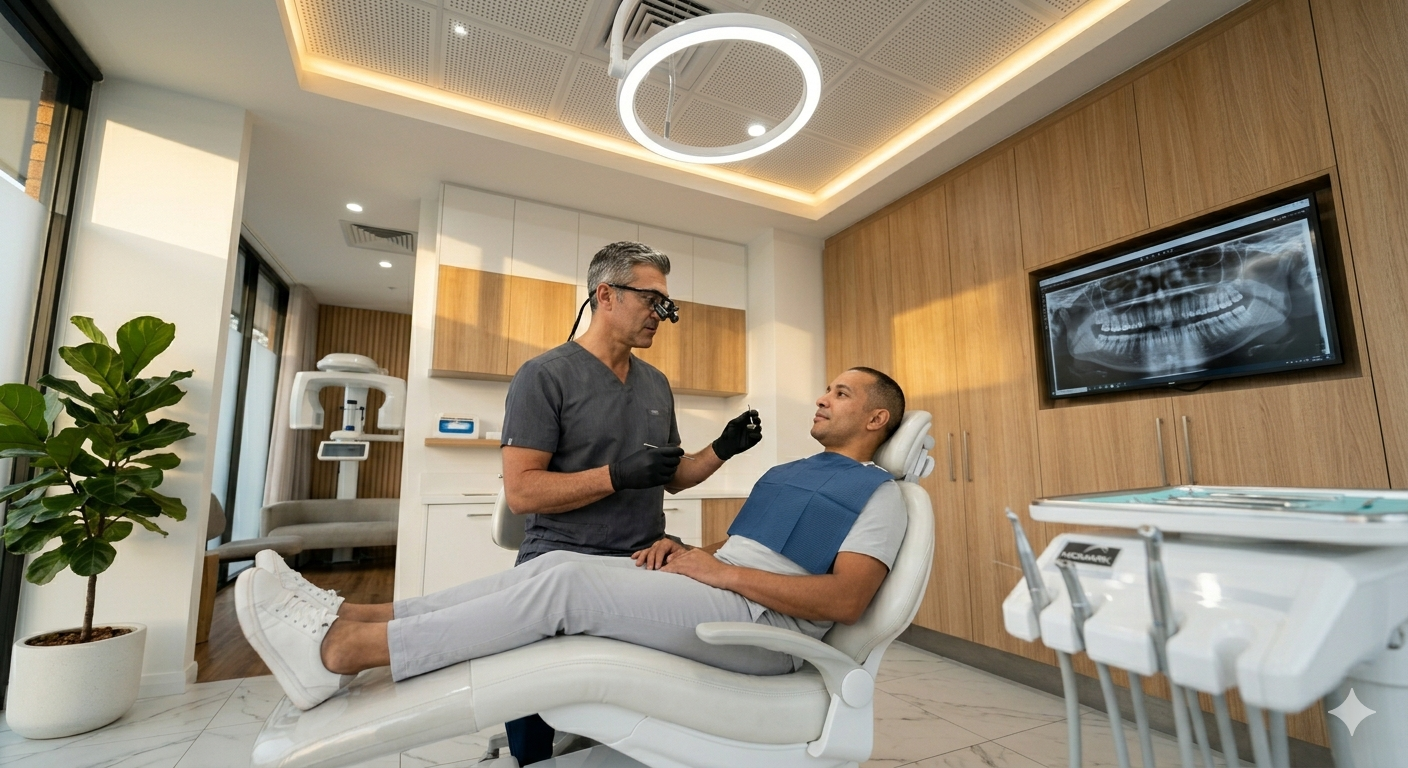
Blog image

Veneers are thin restorations bonded to the front of teeth to change their color, shape, or size. They require precise planning, a few dental visits, and attention to preparation and maintenance.

Types of Dental Veneers

Porcelain veneers are custom-made ceramic shells that resist stains and mimic natural enamel. They usually last 10–15 years with proper care and require 2–3 visits: consultation, tooth preparation and impressions, then final bonding.

Composite resin veneers are applied directly to the tooth in a single visit or made in a lab and bonded later. They cost less than porcelain and repair easily, but they wear faster and stain more readily, typically lasting 5–7 years.

Lumineers and other no-prep or minimal-prep veneers conserve more tooth structure and may not require anesthesia. They suit patients with minimal misalignment or discoloration but sometimes look bulkier or need more frequent adjustments.

A dentist will compare aesthetics, durability, tooth reduction, and budget when recommending a material. Financing, warranties, and the lab’s quality also influence the final choice.

When Veneers Are Recommended

Dentists commonly recommend veneers for teeth with persistent staining that do not respond to whitening. They also treat chips, worn edges, uneven spacing, and minor crowding without full orthodontics.

Candidates should have healthy gums and sufficient enamel for bonding; active decay or gum disease needs treatment first. Smoking, heavy bruxism (tooth grinding), and poor oral hygiene can shorten veneer lifespan and may require alternative treatments.

Veneers suit adults seeking cosmetic improvement rather than major bite correction. A thorough exam, digital imaging, and mock-ups help determine whether veneers or alternatives—crowns, bonding, or orthodontics—offer the best long-term outcome.

How Veneers Improve Your Smile

Veneers correct color, shape, size, and alignment in a single, predictable solution. They allow precise shade matching and contouring to create symmetrical, natural-looking results.

The treatment workflow enhances patient comfort: digital scans or impressions, temporary restorations as needed, and final bonding with strong dental cement. Patients notice immediate aesthetic change after bonding and can usually resume normal eating the same day.

Maintenance is straightforward: twice-daily brushing with non-abrasive fluoride toothpaste, daily flossing, and routine dental cleanings every 3–6 months as advised. Wearing a nightguard for grinders and avoiding hard foods or using tools with teeth preserves veneers longer.

Factors That Influence Veneer Costs

Veneer pricing varies by material, how many teeth need treatment, and the clinician’s training and location. These three factors drive most of the difference between low-end estimates and premium full-smile treatments.

Material Choices and Their Impact

Porcelain veneers typically cost more than composite because porcelain offers superior stain resistance, translucency, and longevity. Porcelain veneers commonly range from $900 to $2,500 per tooth in San Diego, depending on the laboratory, the type of porcelain (e.g., feldspathic, lithium disilicate, zirconia), and whether the lab uses digital CAD/CAM workflows.

Composite resin veneers are usually $250–$900 per tooth and can often be completed in one visit. They require less tooth reduction but stain and chip more easily than porcelain, which can mean higher maintenance costs over time.

Other material-related cost drivers include:

  • Customization level: Hand-layered, highly esthetic work adds lab time and cost.
  • Thickness and prep type: Minimally invasive or no-prep veneers can cost more due to specialized materials and technique.
  • Temporary restorations and warranties: Included temporaries, remakes, or extended warranty programs increase the fee.

Number of Teeth Treated

Treating a single tooth is less expensive in total dollars but often has a higher per-tooth cost than multiple-tooth cases. Clinics commonly offer tiered pricing: single-tooth, small-unit (2–4 teeth), and full-smile (8–10 or more) packages.

Full-smile cases may include additional planning fees for digital smile design, diagnostic wax-ups, and mock-ups. Those planning full-arch cosmetic changes should budget for pre-treatment like whitening, orthodontics, or gum recontouring, each adding separate costs.

Patients should ask for a breakdown showing lab fees, dentist time, temporaries, and follow-up adjustments. This helps compare quotes and avoid surprise charges when multiple preparatory or finishing steps are required.

Dentist’s Expertise and Clinic Location

A cosmetic specialist or prosthodontist typically charges more than a general dentist because of advanced training and experience. Expect higher fees for clinicians with a strong aesthetic portfolio, membership in professional cosmetic organizations, or frequent continuing-education credentials.

Practice location affects price too. Central San Diego clinics and upscale neighborhoods usually have higher overhead and charge accordingly. Suburban or smaller-office practices may offer lower fees but verify lab quality and clinician experience first.

Additional cost factors include sedation options, in-office milling or same-day systems, and whether the practice uses high-end dental labs. Patients should request before-and-after photos, lab certifications, and a clear treatment timeline when comparing providers.

Pricing Range for Veneers in San Diego

Veneer prices in San Diego vary with material, clinic reputation, and treatment complexity. Patients typically weigh upfront cost against longevity, aesthetics, and the need for preparatory work like crowns or gum reshaping.

Average Cost Breakdown

Most San Diego practices list single-tooth veneer prices between $800 and $2,800. The lower end usually reflects direct composite veneers or economy porcelain lab work; the upper end covers premium lab-fabricated porcelain with custom shading and multiple appointments.

Additional typical fees include consultation ($100–$250), digital imaging or shade matching ($50–$200), and temporary veneers ($100–$300) when a staged approach is used. Preparatory treatments such as deep cleaning ($75–$350) or small restorations can add another $100–$600 per tooth.

When budgeting, patients should ask for a full estimate that lists lab fees, anesthesia, follow-ups, and warranty or adjustment policies. Many offices offer payment plans or third-party financing to spread costs over time.

Price Differences Between Porcelain and Composite

Composite veneers generally cost $250–$900 per tooth and can often be completed in one visit. They use tooth-colored resin bonded to enamel, making them more affordable but less durable—expected lifespan is about 5–7 years with good care. Repairs are usually simple and cheaper than replacements.

Porcelain veneers typically range from $900–$2,800 per tooth, depending on the ceramic type and the dental lab. Porcelain resists staining, mimics natural translucency, and lasts 10–15 years or longer with proper maintenance. Costs increase when a practice uses digital smile design, high-end ceramics (e.max, zirconia-layered porcelain), or accredited ceramists.

Patients should consider long-term value: higher initial cost for porcelain often means fewer replacements and better color stability, while composite may suit short-term fixes or budget-conscious cases.

Comparing Local Dental Practices

Independent cosmetic dentists, boutique cosmetic studios, and large dental chains all operate in San Diego. Independent specialists often charge more, from $1,200–$2,800 per porcelain veneer, reflecting advanced training, custom lab partnerships, and longer chair time. Chains and general practices may offer lower entry prices or promotions but can vary widely in lab quality and individualized care.

Look at before-and-after galleries, ask which lab fabricates the veneers, and request patient references when possible. Practices that include digital 3D planning, in-house milling, or a ceramist consultation typically have higher fees but deliver more predictable aesthetic results.

Confirm what the quoted price includes: try-in appointments, adjustments, follow-ups, and any warranties. Comparing detailed estimates and scheduling a consultation helps patients choose a provider that balances cost with quality and comfort.

What’s Included in Veneer Pricing?

Pricing typically covers several discrete services: the initial clinical assessment, fabrication and materials, and post-placement care. Each piece affects the final cost, from lab fees to follow-up visits.

Consultation and Planning

The consultation usually starts with a clinical exam, digital X-rays, and full-mouth photos to assess tooth structure and bite. The dentist records shade selection and discusses goals; minor periodontal treatment or bite adjustments are planned if needed.

Most practices include a digital smile design mockup or temporary veneers in the planning fee. This allows patients to preview shape and color before committing. If additional diagnostics—CBCT scans, study models, or specialist referrals—are required, they may incur separate charges.

Treatment planning also covers anesthesia options and sequencing when multiple teeth are involved. A written estimate outlines per-tooth veneer cost, lab timelines, and any potential extra fees for veneers on molars or previously restored teeth.

Custom Fabrication

Custom fabrication includes material selection, lab work, and technician time. Porcelain veneers (e.g., lithium disilicate) cost more than composite because of higher material expense and detailed lab layering.

Lab fees typically cover impressions or digital scans, model production, staining, glazing, and quality checks. High-end labs that provide hand-layered esthetics and night-time support for shade matching charge more than basic mills.

Clinics may itemize shipping, rush fabrication, and provisional veneer fabrication. If CAD/CAM milling is used in-office, some lab fees drop but equipment amortization can reflect in the price. Warranties or guarantees on workmanship are often included or offered as an add-on.

Aftercare Services

Aftercare covers follow-up visits, adjustments, and maintenance recommendations. Most packages include one or two post-placement checks within the first six months to ensure fit and bite comfort.

Polishing, minor adjustments to occlusion, and replacement of temporary veneers are often part of the initial fee. Long-term maintenance—custom nightguards, professional polishing, or replacement due to trauma—may carry separate costs.

Patients typically receive written home-care instructions and schedule routine hygiene visits to extend veneer life. Some clinics offer extended warranties or maintenance plans for an added fee; these reduce out-of-pocket costs for future repairs.

Payment Options and Insurance Considerations

Patients will find that coverage, out-of-pocket costs, and financing vary widely depending on their plan, the material chosen for veneers, and whether the procedure is deemed cosmetic or restorative. Clear communication with the dental office and insurer helps avoid surprises and allows comparison of payment methods.

Dental Insurance Coverage

Most dental insurers classify porcelain and composite veneers as cosmetic when used solely to improve appearance; this usually means limited or no coverage. If veneers are placed to repair damage from trauma, correct functional bite issues, or restore tooth structure after large restorations, some plans may cover a portion under restorative benefits.

Patients should request a pre-treatment estimate (predetermination) from the insurer. This document lists covered amounts, patient responsibility, and any frequency or waiting-period restrictions. Bring the predetermination and itemized treatment plan to the appointment to confirm benefits and avoid unexpected bills.

Financing and Payment Plans

Many San Diego dental offices offer in-house financing or partner with third-party lenders like CareCredit, LendingClub Patient Solutions, or Compassionate Finance. Typical options include interest-free promotional periods (6–12 months) or longer-term low-APR plans (24–60 months). Approval depends on credit and income criteria.

Ask the office for a written cost breakdown showing lab fees, dentist fees, and any required preparatory work such as crowns or root canals. Compare monthly payment amounts, total interest paid, and any origination or late fees before committing. Some practices allow splitting treatment into phases to spread costs over time.

Health Savings and Flexible Spending Accounts

Health Savings Accounts (HSA) and Flexible Spending Accounts (FSA) can often be used for veneers when treatment is primarily restorative. IRS rules generally allow pre-tax dollars for procedures that treat or prevent disease or restore function, but not for purely cosmetic work. Documentation from the dentist describing medical necessity increases the chance of reimbursement.

Patients should check plan rules and retain detailed invoices, CDT codes, and the dentist’s letter of medical necessity if applicable. If an insurer denies using HSA/FSA funds, patients can file an appeal with supporting dental records. San Diego offices often have staff who can help prepare the required paperwork for claims and appeals.

Long-Term Value of Investing in Veneers

Veneers balance aesthetic impact with practical durability, predictable maintenance needs, and potential long-term savings compared with repeated cosmetic fixes. The sections below break down lifespan expectations, daily care responsibilities, and where cost savings can emerge over time.

Expected Longevity and Durability

Porcelain veneers typically last 10–15 years when placed by an experienced cosmetic dentist in San Diego and maintained correctly. Durability depends on veneer material, bond strength, bite forces, and whether the patient grinds teeth; high-quality porcelain resists stains and chips better than composite resin.

Crowns of veneer-grade porcelain can survive longer—up to 20 years—in low-stress mouths, while composite veneers often require replacement every 5–7 years. Regular dental exams catch early edge wear, debonding, or underlying decay that would otherwise shorten useful life.

Choosing an accredited lab and a dentist who uses conservative tooth preparation improves longevity by preserving enamel for a stronger bond. Patients with bruxism should discuss night guards to protect veneers and extend their service life.

Maintenance and Care

Daily care for veneers mirrors routine natural-tooth hygiene: brush twice with a non-abrasive fluoride toothpaste and floss once daily to prevent gum inflammation and decay at margins. Avoid hard items (ice, pen caps) and limit highly acidic habits that can undermine cement over time.

Schedule dental check-ups every six months for professional cleanings and inspection of margins, contact points, and bite alignment. If sensitivity, roughness, or a visible gap appears, contact the dentist promptly to evaluate bonding and address issues before more complex treatment is needed.

Use a soft-bristled brush and avoid whitening products containing strong abrasives or peroxide gels that can affect composite restorations. For patients who clench, a custom night guard is a small additional cost that markedly reduces fracture risk.

Potential Savings Over Time

Upfront veneer costs in San Diego can seem high, but they may reduce cumulative expenses versus repeated whitening, bonding repairs, or orthodontic relapses. Durable porcelain often means fewer mid-course touch-ups and less frequent replacement than composite alternatives.

Preventive investments—professional cleanings, night guards, prompt repairs—lower the likelihood of costly emergency visits or full restorations later. For example, a $500–$800 night guard can prevent a fractured veneer that would otherwise cost $1,000–$2,000 to replace.

Patients should factor in warranty terms, lab quality, and the dentist’s experience; a slightly higher initial fee for premium materials and skilled labor often yields lower lifetime costs and better aesthetic stability.

Choosing the Right Cosmetic Dentist in San Diego

Selecting a cosmetic dentist affects treatment quality, comfort, and final appearance. Prioritize measurable credentials, real patient results, and a treatment plan tailored to the patient’s goals and oral health.

Credentials and Experience

Look for dentists with formal cosmetic dentistry training beyond dental school, such as ADA-accredited continuing education, residency programs, or certification from organizations like the American Academy of Cosmetic Dentistry (AACD). Membership alone isn’t proof of skill; verify specific coursework in porcelain veneers, shade matching, and digital smile design.

Assess clinical experience by asking how many veneer cases the dentist performs yearly, and request cases similar to the patient’s needs (single-tooth, full-mouth, or composite vs. porcelain). Confirm the dentist works with a qualified dental lab and uses bonded porcelain systems like lithium disilicate or zirconia when appropriate. Also check whether the practice uses digital tools—CAD/CAM, intraoral scanning, and photographic shade analysis—for predictable results.

Patient Reviews and Before-and-After Photos

Read patient reviews on multiple platforms: Google, Yelp, and Healthgrades. Focus on comments about communication, pain management, and long-term satisfaction rather than just aesthetics. Look for consistent praise about realistic expectations and post-op follow-up.

Request a curated portfolio of before-and-after photos showing similar cases, with lighting and angles consistent for comparison. Ask to see both immediate post-op and long-term photos (6–24 months) to evaluate color stability and margin health. If possible, speak with former patients about durability, sensitivity, and maintenance.

Personalized Treatment Approach

A high-quality cosmetic dentist conducts a comprehensive exam, including radiographs, periodontal assessment, and bite analysis, before proposing veneers. They should present multiple options—no treatment, composite bonding, porcelain veneers, or orthodontic prep—and explain trade-offs: cost, invasiveness, lifespan, and maintenance.

Look for practices that offer mock-ups or provisional restorations to preview shape and shade. The dentist should discuss preservation of tooth structure, bonding protocols, and a clear timeline with staged appointments. Finally, ensure the plan includes a maintenance schedule and guarantees or warranties for lab work and restorative materials to protect the patient’s investment.

Next Steps Towards Your Perfect Smile

They should schedule an initial consultation to review goals, oral health, and budget. A short exam and X-rays let the dentist recommend veneers or alternative treatments.

The practice will provide a written estimate and discuss payment options like insurance, financing, or phased treatment. Clear cost breakdowns help patients compare clinic choices.

He or she may request a smile mock-up or digital preview so the patient can see potential results. This visual step reduces surprises and increases confidence.

They should verify the clinician’s experience with veneers and ask to see before-and-after photos. Reviews and a quick phone call can clarify the practice’s approach to comfort and follow-up care.

Patients need to prepare a list of questions about materials, lifespan, and maintenance. Typical topics include bonding care, sensitivity risks, and how veneers affect chewing and cleaning.

A simple checklist helps move forward:

  • Book consultation and imaging
  • Review estimate and payment plans
  • Request smile preview and case photos
  • Confirm clinician credentials and warranty
  • Schedule treatment once comfortable

They should bring insurance information and a list of current medications to the appointment. This speeds up planning and ensures safe, personalized care.

Encourage them to contact the office with any concerns or to book a consult. A friendly team can walk through options and next steps toward a lasting, confident smile.

Frequently Asked Questions

This section gives specific cost ranges, durability differences, insurance realities, and what to expect for single-tooth versus full-set veneer work in San Diego. It helps readers estimate expenses, plan for future repairs, and decide whether to consider composite or porcelain options.

About how much do porcelain veneers typically cost per tooth in San Diego, and what factors can make the price go up or down?

Porcelain veneers in San Diego most commonly range from $1,000 to $2,500 per tooth. Higher-end practices or cosmetic specialists may charge $2,000–$3,000 for premium materials, advanced smile design, or extensive prep work.

Prices rise if a patient needs extra procedures such as gum contouring, root canals, crowns on adjacent teeth, or significant bite correction. Laboratory fees, the dentist’s experience, and the type of porcelain (e.max, zirconia, layered feldspathic) also change the cost.

What’s the difference in price (and durability) between composite veneers and porcelain veneers?

Composite veneers typically cost $250–$600 per tooth in San Diego. They are less expensive because the dentist sculpts and bonds composite resin directly in the office, often in a single visit.

Porcelain veneers cost about four to six times more, but they usually last longer—10–15 years for porcelain versus 5–7 years for composite with proper care. Porcelain resists staining and chips better; composite is easier and cheaper to repair but may discolor sooner.

How much should I expect to pay for veneers if I don’t have dental insurance, and are payment plans commonly available?

Without insurance, patients should budget the full out-of-pocket price: $1,000–$2,500 per tooth for porcelain and $250–$600 for composite. Many San Diego practices offer financing, in-house payment plans, or third-party lenders (CareCredit, LendingClub) to spread costs over 6–60 months.

Patients should ask for a written estimate that lists all phases—consultation, prep, temporary veneers, lab fees, and cementation—to avoid surprise charges. A clear payment schedule and interest terms help compare offers.

Does dental insurance ever help cover veneers, and how can I find out what my plan might contribute?

Most dental insurance considers veneers cosmetic and will not cover them. Insurance may contribute if veneers are deemed medically necessary—for example, to repair teeth damaged by trauma or to restore function after extensive decay—but approval is rare and often partial.

To find out, the patient should contact their insurer with procedure codes (D2970 for porcelain veneer, D2972 for additional units, D2975 for core build-up if relevant). The dental office can submit a preauthorization or predetermination to estimate benefits before treatment.

What does a “full set” of veneers usually include, and how does the total cost compare to doing just a few front teeth?

A “full set” commonly means 8–12 upper or 8–10 lower anterior teeth, depending on desired coverage and the dentist’s aesthetic plan. Full-arch veneer work multiplies the per-tooth fee, so a 10-tooth upper set at $1,500 per tooth can run about $15,000.

Doing only the front 2–6 teeth may cost $2,000–$9,000 for porcelain, making incremental treatment more affordable initially. Dentists often recommend planning for symmetry; mixing new veneers with older, discolored teeth can affect long-term appearance and may lead to additional work later.

How long do veneers typically last (10–15 years and beyond), and what future costs should I plan for like repairs or replacement?

Porcelain veneers generally last 10–15 years, with some lasting 20+ years if the patient practices excellent oral hygiene and avoids heavy biting forces. Composite veneers usually last 5–7 years and may need more frequent polishing or partial repairs.

Plan for potential future costs such as replacement veneers, occasional repairs for chips, new bonding if margins fail, and maintenance like night guards to protect against grinding. Budgeting for one replacement cycle per tooth every decade is a practical starting point when estimating long-term costs.
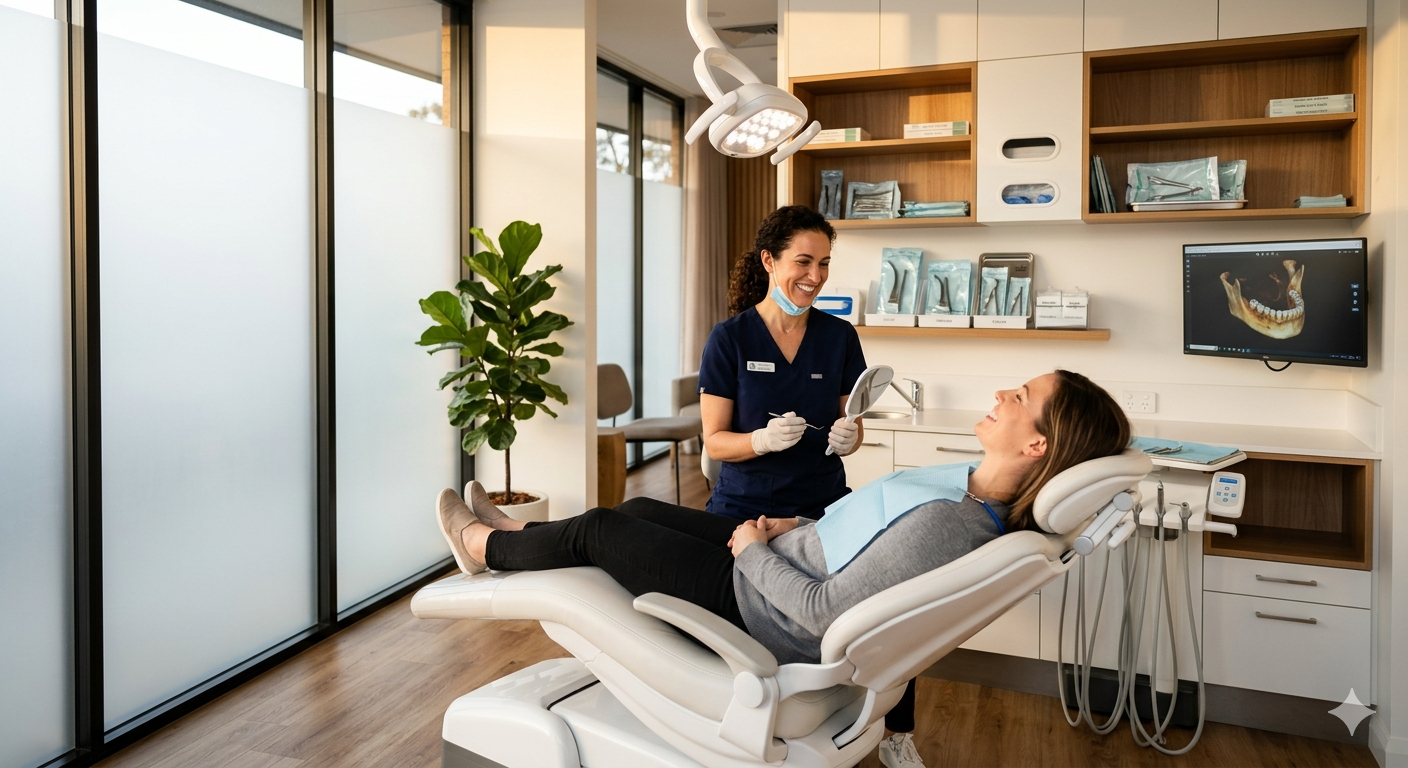
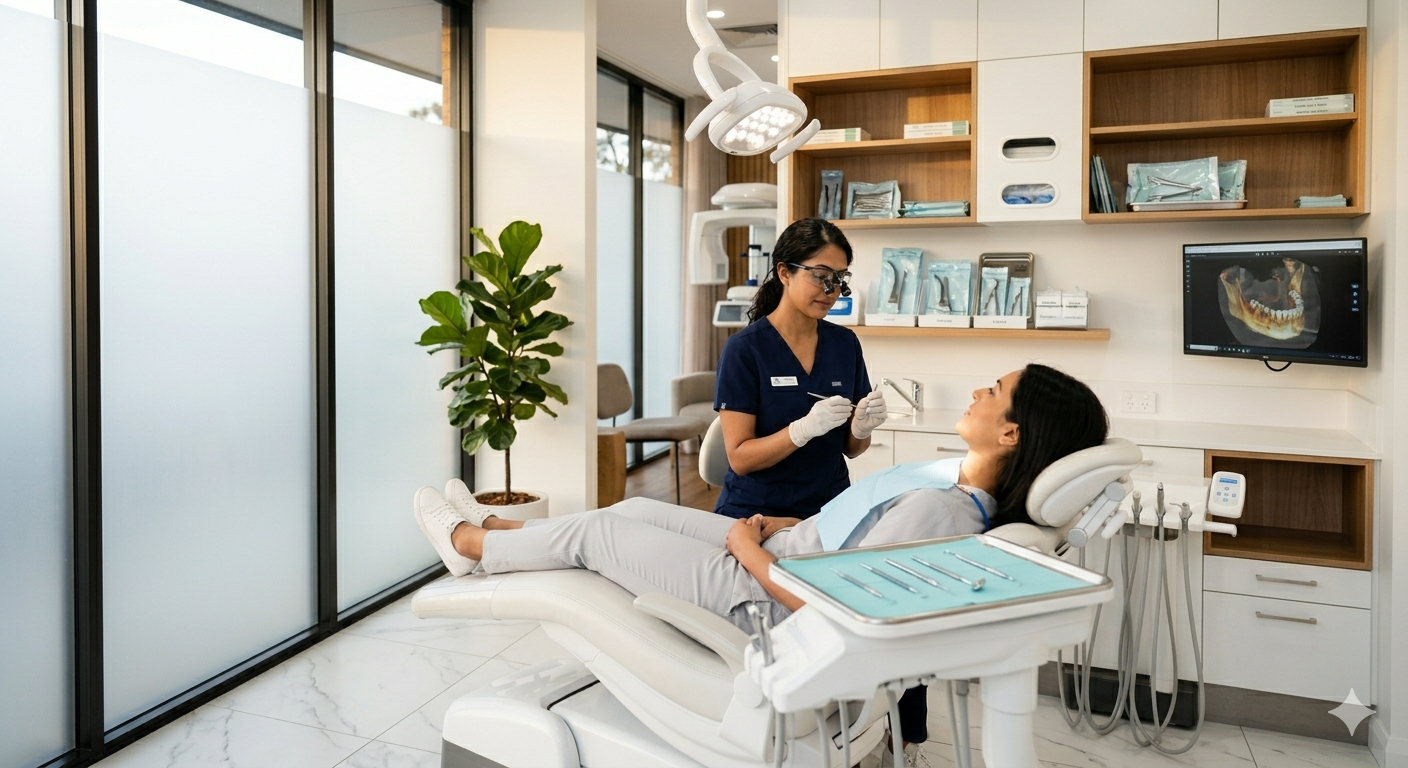
1775138876557 58453b83 Gemini Generated Image X9f6adx9f6adx9f6

Emergency Dental Implants San Diego CA: Quick Solutions for Your Smile Restoration

When a dental emergency happens in San Diego, having quick access to reliable treatment is crucial. Emergency dental implants offer a fast, effective solution for those facing sudden tooth loss or severe damage. They provide a way to restore a natural-looking tooth quickly, helping patients avoid prolonged discomfort and embarrassment.

Many people worry about the pain and downtime with emergency implants, but modern techniques focus heavily on patient comfort and speed. Dentists in San Diego use advanced technology to make the process as smooth and stress-free as possible, often completing the implant in just one visit.

For anyone dealing with trauma or unexpected tooth issues, knowing that emergency dental implants are available nearby brings peace of mind. This ensures people can smile confidently again without delay and maintain their oral health with professional support.

Understanding Urgent Tooth Loss

Blog image

Sudden tooth loss can catch anyone off guard. Knowing what causes it and the immediate risks involved helps patients act quickly and wisely. Quick action can make a big difference in preserving oral health and comfort.

Common Causes of Sudden Tooth Loss

Accidents, like falls or sports injuries, are frequent reasons for sudden tooth loss. A strong blow to the face can loosen or completely knock out a tooth.

Severe decay or advanced gum disease can also cause a tooth to fall out unexpectedly. If an infection weakens the bone supporting the tooth, loss can occur rapidly.

Sometimes, failed dental work or sudden biting on something hard leads to tooth fractures that require removal. These causes highlight the importance of regular checkups and wearing protective gear during activities.

Immediate Risks and Complications

Losing a tooth suddenly increases the risk of infection where the tooth was lost. The open socket can be painful and vulnerable to bacteria.

There is also a chance of damage to the surrounding teeth, gums, or bone. This can make later treatment more complex.

Functionally, sudden tooth loss affects chewing and speaking. Without prompt care, patients may develop bite problems or jaw pain. Protecting the site and seeking timely treatment reduces these complications.

When Is Implant Treatment Considered an Emergency?

Emergency implant treatment is usually recommended when tooth loss leads to severe pain, bleeding, or risk of further damage. If the surrounding bone or gum tissue is compromised, quick action helps preserve anatomy for implant placement.

In some cases, immediate implant placement can be done during the same visit as tooth removal. This approach avoids bone loss and speeds recovery.

If a patient cannot wait for healing before a replacement, urgent consultation is vital. The dental team can provide temporary solutions and plan for implants when timing is right.

Immediate Steps After Tooth Loss

Losing a tooth suddenly can be alarming, but quick, correct action can make a big difference. Knowing how to handle the situation right away helps protect the tooth and eases the path to a successful dental implant.

First Aid Tips for Dislodged Teeth

If a tooth is knocked out, the priority is to preserve it. Avoid touching the root; instead, handle the tooth by the crown. If possible, rinse the tooth gently with milk or saline to clean off debris—do not scrub or use soap.

After cleaning, try to place the tooth back into its socket carefully. If reinserting isn’t possible, store the tooth in a container with milk, saline, or the patient’s saliva to keep the cells alive.

Applying a cold compress to the affected area helps control swelling. Time is critical: ideally, the tooth should be taken to a dentist within 30 minutes, but up to an hour can still offer a chance for successful reimplantation.

What Not to Do in a Dental Emergency

Avoid panicking or delaying care when a tooth is lost. Do not clean the tooth with water from the tap or alcohol, as these can damage its cells.

Never wrap the tooth in a dry cloth or paper towel, which can kill the root cells needed for reattachment.

Avoid using sharp objects to handle or try to reinsert the tooth yourself if it causes pain. Also, don’t chew on the side of the mouth with the injury or eat hard foods before seeing a dentist.

When to Contact a Dentist

Immediately contact a local emergency dentist for guidance after tooth loss. Even if the tooth can’t be reinserted, quick professional evaluation is essential.

Emergency dental implants or temporary solutions can be discussed once the dentist evaluates the damage and oral health status. If bleeding is heavy or continues beyond 15 minutes, it may require urgent medical attention.

Calling a San Diego emergency dental clinic early improves the chances of saving the natural tooth and planning next steps to restore your smile.

The Dental Implant Process in Urgent Cases

When a dental emergency requires an implant, the process is designed to be both swift and thorough. It balances immediate needs with long-term success, using precise imaging, quick implant placement, and temporary tooth replacements for comfort and function.

Initial Assessment and Imaging

The first step involves a detailed evaluation of the dental emergency. The dentist examines the injury or tooth loss carefully and reviews medical history to ensure safety.

Advanced imaging tools like 3D cone beam CT scans provide detailed views of the jawbone. This helps determine bone density and structure, crucial for planning where to place the implant securely.

The quick and accurate imaging minimizes delays and helps customize the treatment plan. It ensures implants are placed exactly where the bone can support them, increasing chances of fast healing.

Same-Day Implant Placement

In many urgent cases, placing the implant on the same day as the tooth extraction saves time and reduces the need for multiple surgeries. This approach avoids long periods without a tooth and shortens recovery.

The dentist removes damaged tooth fragments and cleans the site fully before placing a titanium implant post directly into the jawbone. Immediate placement promotes faster integration and fewer appointments.

This procedure depends on the presence of enough healthy bone and absence of infection. When suitable, same-day implant placement allows patients to leave with a stable foundation for a new tooth right away.

Temporary Solutions for Missing Teeth

While the implant integrates with the bone, which can take several months, temporary teeth help maintain appearance and chewing function. These solutions are designed to be comfortable and discreet.

Options include removable partial dentures or a temporary crown attached to the implant post if stability allows. The choice depends on the location of the missing tooth and patient preferences.

Temporary restorations protect the implant site during healing and give confidence to smile and speak without worry. They are customized to blend smoothly with natural teeth.

Choosing the Right Dental Implant Provider in San Diego

Finding the right dental implant provider affects both the success of the procedure and your comfort during treatment. Important factors include the provider’s experience, knowledge of San Diego’s patient needs, and the questions patients should ask before committing.

Qualities of a Trusted Emergency Dentist

A trusted emergency dentist will have specialized training in implant procedures, along with experience managing urgent dental situations. They should provide clear explanations about the implant process, risks, and recovery. Look for providers who prioritize patient comfort and pain management.

Credentials matter—a certified implant specialist or prosthodontist often offers more expertise than a general dentist. Positive patient reviews, transparent pricing, and a clean, up-to-date office also signal reliability.

Benefits of Local Expertise

Choosing a San Diego provider means familiarity with local dental needs and access to nearby labs or specialists if needed. Local dentists can respond quickly in emergencies, making the treatment process smoother and less stressful.

They understand the specific challenges of San Diego’s climate and lifestyle that might impact healing. This knowledge helps tailor aftercare advice and preventive steps appropriate to the area.

What to Ask During Your Consultation

During the consultation, patients should ask about the provider’s implant success rates and experience with emergency cases. Inquire about the types of implants offered and whether same-day implantation is available.

It’s important to clarify the expected recovery timeline and any post-surgery support provided. Patients should also ask about financing options and insurance acceptance to plan accordingly.

Modern Solutions for Patient Comfort

Emergency dental implants in San Diego focus on reducing pain and stress throughout the process. Patients can expect tailored sedation, advanced technology to make procedures smoother, and strong aftercare support to speed recovery.

Sedation and Anesthesia Options

Dentists offer several sedation methods to help patients feel at ease during implant procedures. Local anesthesia numbs the specific area, preventing pain while keeping patients awake and aware. For those feeling more anxious, nitrous oxide (laughing gas) provides gentle relaxation without knocking patients out.

In more complex or stressful cases, oral sedation or IV sedation may be used. These options place patients in a deeper, calm state, reducing awareness and sensitivity. The choice depends on the patient’s comfort level, health, and the procedure’s complexity. Professionals carefully monitor sedation to ensure safety and quick recovery.

Technology That Eases Treatment

Modern dental offices use precise imaging tools like 3D cone beam CT scans to get detailed views of the jawbone. This helps dentists place implants exactly where they fit best, minimizing surprises and discomfort during surgery.

Computer-guided implant surgery offers incredible accuracy, allowing for smaller incisions and faster healing. Many practices also use laser technology to reduce bleeding and swelling. Together, these tools make implant placement less invasive and much more comfortable for patients.

Aftercare Support and Follow-Up

After an emergency implant, dentists provide clear, customized aftercare plans. This typically includes pain management advice, instructions for oral hygiene, and diet tips to protect the implant site.

Follow-up visits are scheduled to monitor healing and address any concerns quickly. Many clinics also offer emergency contact lines for patients who experience unusual pain or complications. This ongoing care helps patients recover smoothly and keeps their implant healthy long-term.

Preventing Future Dental Emergencies

Taking proactive steps can significantly reduce the chances of dental emergencies. Key measures include consistent daily care and safeguarding teeth during physical activities where injury risks are higher.

Effective Oral Health Habits

Regular brushing and flossing are the foundation of preventing dental emergencies. Using fluoride toothpaste twice a day helps strengthen enamel, making teeth less prone to cracks or decay.

Visiting the dentist every six months for cleanings and check-ups allows early detection of potential problems, such as cavities or gum disease. Avoiding hard or sticky foods can also minimize the risk of chipped or broken teeth.

If someone grinds their teeth at night, using a custom night guard protects teeth from excessive wear that can lead to emergency situations. Hydration is important too, as dry mouth increases the chance of decay and infection.

Protective Gear for Sports and Activities

Wearing a properly fitted mouthguard is essential during contact sports or activities with a high risk of falls. Custom-made mouthguards from a dentist provide better protection than over-the-counter options because they fit securely and comfortably.

Helmets and face shields add an extra layer of defense for teeth and jawbones. Parents should ensure children and teens participating in sports always use this gear.

Even non-contact activities like biking or skateboarding warrant protective wear. Prevention through good equipment can prevent costly emergency implant procedures later on.

Steps to Take if You Suspect Implant Failure

Recognizing implant problems early and knowing how to act quickly can save both time and discomfort. Being aware of clear signs and having a plan to get professional help ensures the best chances for recovery.

Warning Signs to Watch For

Common warning signs of implant failure include persistent pain beyond the usual healing period, swelling around the implant site, and redness or infection. Loosening of the implant or a noticeable shift in its position are also significant red flags. Difficulty chewing or changes in bite comfort can indicate an issue.

Sometimes, a bad taste in the mouth or discharge may signal infection. If any of these symptoms are present, it’s important not to ignore them or wait for them to improve without professional advice.

How to Respond Quickly

If someone suspects implant failure, the first step is to avoid putting pressure on the implant while eating. Soft foods are best until a dentist can evaluate the implant. Keeping the area clean with gentle rinsing using salt water or an antiseptic mouthwash may reduce irritation.

It’s essential not to try repairing or adjusting the implant at home. Promptly making an appointment with a dental professional can prevent worsening of the problem and may offer less invasive treatment options.

Getting Help in San Diego

San Diego has several dental clinics specializing in emergency implant care, many offering same-day or next-day appointments. Look for practices with experienced implant dentists who use modern technology for accurate assessment and treatment.

Patients can contact local dental offices directly or check online for emergency dental implant services. Having a trusted specialist nearby gives peace of mind and quick access to help when implant issues arise.

Insurance and Financing Details for Urgent Implants

Navigating the cost of emergency dental implants can feel overwhelming, but understanding insurance coverage and financing options can ease that burden. Patients have several choices to manage expenses effectively, making urgent care accessible when it matters most.

Dental Coverage for Emergency Implants

Many dental insurance plans cover portions of emergency implant procedures, but coverage varies widely. Typically, insurance may pay for the initial consultation, X-rays, and some surgical fees. However, implants themselves are often classified as elective, meaning patients might cover a large part of the implant and crown costs.

It’s important to review the details of your plan, including deductibles and annual maximums. Some plans also require pre-authorization for emergency implant work. Providers in San Diego often work directly with insurance companies to streamline claims and clarify out-of-pocket costs before treatment begins.

Flexible Payment and Financing Options

To make urgent implant care more affordable, many dental offices offer flexible payment arrangements. Plans might include low or no-interest financing for several months or extended payment terms tailored to patient needs.

Popular third-party financing companies like CareCredit or LendingClub allow you to break down costs into manageable monthly payments. Some offices also accept credit cards or offer in-house payment plans that avoid interest fees altogether when paid within a set period. Discussing these options upfront helps patients focus on healing, not financial stress.

Building Confidence with a New Smile

Emergency dental implants in San Diego can quickly restore not just teeth but also a person’s confidence. When someone loses a tooth unexpectedly, it often affects how they feel about their appearance and their willingness to smile openly.

Dental implants provide a natural-looking and durable solution. Patients often report feeling more comfortable eating, speaking, and socializing after treatment. This improvement can lead to a boost in self-esteem.

The process is designed with patient comfort in mind. Modern techniques reduce discomfort and shorten healing time, helping people get back to their daily lives faster. Knowing that the implant will look and feel like a real tooth makes many feel reassured throughout their recovery.

Here’s what patients can expect:

  • A tooth replacement that matches their natural teeth
  • Immediate support for facial structure and oral health
  • Long-lasting results with proper care

For many, these benefits create a positive change beyond oral health. Being able to smile confidently at work, with friends, or with family often improves emotional well-being.

Encouraging anyone facing sudden tooth loss to speak with a trusted dental professional is key. They can explain options clearly and guide each patient through personalized care to rebuild that smile.

Frequently Asked Questions

Emergency dental implants often require quick decisions and clear information. Understanding timing, symptoms, and payment options can make a big difference when urgent care is needed.

Can a dental implant be placed the same day after a tooth is knocked out or extracted?

In some cases, yes. Immediate implant placement can be done if there’s enough healthy bone and no infection is present. However, the dentist will assess each situation carefully to ensure the best outcome.

How do I know if my situation needs an emergency visit for a broken or failing implant?

Signs like severe pain, swelling, bleeding, or an implant that feels loose indicate you should seek emergency care. Waiting too long can lead to further damage or infection.

What are my options if I need urgent dental care but I don’t have insurance?

Many clinics offer payment plans or sliding-scale fees. Some dental offices in San Diego provide affordable emergency care for uninsured patients, and it’s always good to call ahead and ask what options are available.

What should I do right now if I’m in severe tooth pain and the dentist isn’t open yet?

Rinse your mouth with warm salt water and avoid very hot or cold foods. Take over-the-counter pain relievers following the instructions, and contact your dental office as soon as they open.

How quickly can I be seen for urgent implant-related care in Mission Valley or nearby areas?

Many emergency dental offices provide same-day or next-day appointments. It depends on availability, but urgent cases are typically prioritized to relieve pain and prevent complications quickly.

Will Medi-Cal help cover an emergency dental visit, and what should I bring to my appointment?

Medi-Cal often covers emergency dental services. Bring your Medi-Cal card, ID, and any recent dental records if possible. Confirm coverage details with your provider before your visit for a smoother process.

Is Teeth Whitening Safe? What You Need to Know

Teeth whitening is one of the most popular cosmetic dental treatments, but many patients wonder if it’s actually safe. The good news is that when done properly, teeth whitening is a safe and effective way to enhance your smile.

How Teeth Whitening Works

Teeth whitening treatments use safe bleaching agents to break down stains on the surface of your teeth. These stains can come from coffee, tea, wine, smoking, and even natural aging.

Professional vs. Over-the-Counter Whitening

Professional Whitening

In-office whitening treatments are performed under the supervision of a dental professional. These treatments use stronger, controlled whitening agents and provide faster, more noticeable results.

At-Home Whitening Products

Store-bought whitening strips and gels are more affordable but typically take longer to show results. They also may not be as effective for deeper stains.

Is Teeth Whitening Safe?

Yes, teeth whitening is considered safe when used as directed. Professional treatments are especially safe because they are tailored to your specific needs and monitored by your dentist.

However, overuse or improper use of whitening products can lead to temporary side effects.

Possible Side Effects

Tooth Sensitivity

Some patients experience temporary sensitivity to hot or cold after whitening. This usually goes away within a few days.

Gum Irritation

If whitening products come into contact with your gums, they may cause mild irritation, especially with over-the-counter products.

Who Should Avoid Teeth Whitening?

Teeth whitening may not be recommended for patients with untreated cavities, gum disease, or extremely sensitive teeth. It’s always best to have a dental evaluation before starting any whitening treatment.

How to Maintain Your Results

To keep your smile bright, limit staining foods and drinks, maintain good oral hygiene, and schedule regular dental cleanings. Occasional touch-ups can also help maintain your results.

Final Thoughts

Teeth whitening is a safe and effective way to boost your confidence when done correctly. Choosing professional treatment ensures better results and minimizes the risk of side effects.

Schedule Your Visit

If you’re interested in whitening your teeth, our team at New Image General Dentistry can help you achieve a brighter, healthier-looking smile. Schedule your appointment today to get started.

Dental x-ray San Diego CA

What Happens If You Ignore a Cavity?

A small cavity might not seem like a big deal, especially if it isn’t causing pain. However, ignoring a cavity can lead to much bigger problems over time. Tooth decay doesn’t stop on its own—it continues to progress and can eventually affect deeper layers of your tooth.

How Cavities Develop

Cavities form when plaque and bacteria produce acids that wear down the enamel on your teeth. Once the enamel is weakened, decay can begin to create small holes that gradually grow larger if left untreated.

What Happens If a Cavity Is Left Untreated?

Decay Spreads Deeper

As the cavity grows, it moves beyond the enamel into the dentin and eventually the pulp, where the nerves and blood vessels are located. This is when pain and sensitivity often begin.

Increased Tooth Pain

You may start to experience sharp pain, especially when eating, drinking, or biting down. What was once painless can become a constant source of discomfort.

Risk of Infection

When decay reaches the pulp, it can lead to an infection or abscess. This can cause swelling, severe pain, and even spread to other areas if not treated promptly.

More Complex Treatment

Early-stage cavities can usually be treated with a simple filling. But as the decay worsens, you may need a root canal or even a tooth extraction, which are more involved procedures.

Tooth Loss

In severe cases, the damage may be too extensive to save the tooth, resulting in the need for extraction.

Why Early Treatment Matters

Treating a cavity early is faster, easier, and more cost-effective. A simple filling can stop decay in its tracks and restore your tooth before more serious damage occurs.

How to Prevent Cavities

Good oral hygiene is key. Brush your teeth twice a day, floss daily, limit sugary foods and drinks, and visit your dentist regularly for checkups and cleanings.

Final Thoughts

Ignoring a cavity won’t make it go away—it will only allow the problem to get worse. Taking care of small issues early can save you time, discomfort, and more extensive treatment in the future.

Schedule Your Visit

If you think you may have a cavity or it’s been a while since your last checkup, our team at New Image General Dentistry is here to help. Schedule your appointment today to protect your smile.

Patient Forms

What Are the Signs You Might Need a Tooth Extraction?

Hearing that you might need a tooth extraction can feel overwhelming, but in many cases, removing a problematic tooth is the best way to protect your overall oral health. Knowing the warning signs early can help you take action before the issue becomes more serious.

Common Reasons for Tooth Extraction

Tooth extractions are typically recommended when a tooth is too damaged to be saved or when keeping it would negatively impact surrounding teeth and gums. This can happen due to severe decay, infection, crowding, or advanced gum disease.

Signs You May Need a Tooth Extraction

Severe Tooth Pain

Persistent or intense tooth pain can be a sign of deep decay or infection that may not be treatable with a filling or root canal.

Swelling or Infection

Swelling in the gums, face, or jaw—especially when accompanied by pus or a bad taste—may indicate an infection that requires immediate attention.

Loose Teeth

Adult teeth should never feel loose. This can be a sign of advanced gum disease weakening the support structures around the tooth.

Overcrowding

In some cases, teeth may need to be removed to make space for orthodontic treatment and ensure proper alignment.

Impacted Teeth

Teeth that are trapped beneath the gum line, such as wisdom teeth, can cause pain, swelling, and infection if not addressed.

Are There Alternatives to Extraction?

Whenever possible, dentists aim to save natural teeth. Treatments like fillings, crowns, or root canals may be considered before recommending extraction. However, if the damage is too extensive, removal may be the safest option.

What to Expect During the Procedure

Tooth extractions are typically quick and performed under local anesthesia to ensure comfort. You may feel pressure during the procedure, but not pain. Your dentist will also provide clear aftercare instructions to support healing.

Recovery and Aftercare

Most patients recover within a few days. It’s important to follow post-treatment guidelines, such as avoiding strenuous activity, sticking to soft foods, and keeping the area clean to prevent complications like dry socket.

Final Thoughts

While the idea of a tooth extraction can be intimidating, it’s often the best way to relieve pain and prevent further issues. Addressing the problem early can help you avoid more complex treatments in the future.

Schedule Your Visit

If you’re experiencing tooth pain or think you may need an extraction, our team at New Image General Dentistry is here to help. Schedule your appointment today for a thorough evaluation and personalized care.

Meet Our Team

Emergency Dental Implants San Diego CA: Swift, Comfortable Solutions for Your Smile

When a dental emergency strikes, quick action is crucial, especially if a tooth is lost or severely damaged. Many people in San Diego worry about how fast they can get help and what options are available. Emergency dental implants provide a timely solution to restore both function and appearance, often within a matter of days.

Dental experts in San Diego are equipped with modern technology and techniques that make emergency implants more accessible and comfortable than ever. This means patients don’t have to wait weeks or months to regain their smile. The process focuses on minimizing pain and maximizing results, helping people get back to their daily lives quickly.

Understanding the basics of emergency dental implants can ease the anxiety around urgent dental care. Knowing when to seek help and what to expect makes the experience less intimidating and more manageable. Patients are encouraged to reach out to their dental provider promptly if faced with a sudden dental injury or tooth loss.

Recognizing Dental Emergencies

Dental emergencies demand quick action to protect teeth, alleviate pain, and prevent infections. Knowing the signs and understanding when to get immediate care can save natural teeth and improve recovery outcomes.

Common Signs That You Need Urgent Care

Severe tooth pain that doesn’t improve with over-the-counter medication often signals a serious problem. Swelling around the tooth or jaw, redness, and fever indicate infection needing prompt treatment.

Loose or knocked-out teeth require fast attention. A visible chip or crack exposing the tooth’s inner layers can cause extreme sensitivity and risk further damage.

Bleeding that won’t stop after trauma or a sudden injury to the mouth should be evaluated immediately to avoid complications like excessive blood loss or infection.

When to Seek Immediate Attention

Call or visit an emergency dentist right away if there is:

  • A completely knocked-out tooth
  • Severe, unrelenting pain
  • Intense swelling around the face or neck
  • Difficulty breathing or swallowing
  • Significant bleeding that doesn’t stop with pressure

These situations pose serious risks and can worsen quickly without professional care. Prompt emergency dental implants or treatments in San Diego can preserve oral health and reduce long-term complications.

Understanding Dental Implants in Emergency Situations

Emergency dental implants address urgent tooth loss and severe damage with speed and precision. Patients often need quick solutions that restore function without prolonged discomfort or multiple visits.

What Sets Emergency Implants Apart

Emergency dental implants are designed for rapid placement, often completed in a single day or within 24-48 hours. Unlike traditional implants, which require healing time before attaching a crown, emergency implants use advanced technology to secure temporary restorations quickly.

This approach minimizes the gap caused by missing teeth, reducing risks of shifting teeth and jawbone deterioration. Specialized imaging, like 3D scans, helps dentists plan the procedure with exactness, making treatment safer and more predictable in an emergency setting.

Who Is a Candidate for Same-Day Care

Not everyone qualifies for emergency implants right away. Ideal candidates have sufficient jawbone density, good oral health, and no active infections at the implant site. Dentists evaluate factors like gum condition, overall health, and smoking habits before proceeding.

Patients with chronic illnesses such as uncontrolled diabetes or compromised immune systems may require additional care or delay implant placement. A thorough consultation ensures that same-day care is both safe and effective for each individual.

The Emergency Dental Implant Procedure Explained

Emergency dental implants involve a careful but swift approach to replace a tooth that has been lost or damaged. The process starts with a thorough exam to ensure the implant will succeed. Comfort and pain management are prioritized throughout, with options tailored to the patient’s needs. Finally, the actual implant placement and recovery steps are designed to promote healing while minimizing discomfort.

Initial Assessment and Prep

The first step is a detailed evaluation of the tooth site and overall oral health. X-rays or 3D scans are used to check bone density and gum condition, crucial for implant stability. If infection or damage is present, it must be treated promptly before proceeding.

Dentists also review the patient’s medical history to ensure there are no contraindications. They discuss options, explain the procedure, and schedule the implant placement. Preparation might include cleaning the area or using antibiotics if needed.

Comfort Measures and Anesthesia Options

Patient comfort is a top priority during emergency implant procedures. Depending on the case, local anesthesia typically numbs the site to prevent pain. For anxious patients, sedation options like oral sedatives or nitrous oxide (“laughing gas”) may be offered.

These methods help patients relax without losing full awareness. The dental team continuously monitors comfort and adjusts as needed. This focus allows the procedure to be smooth, even in urgent situations.

What to Expect During and After Placement

The implant is carefully positioned into the jawbone through a small incision. This step usually takes 30 to 60 minutes, depending on complexity. After placement, a temporary crown or healing cap might be placed to protect the site.

Recovery involves some swelling or soreness, typically manageable with over-the-counter pain relief. Patients are advised to avoid hard foods and maintain excellent oral hygiene to support healing. Follow-up visits ensure the implant integrates properly and the area remains healthy.

Choosing a San Diego Dental Team for Urgent Implants

Finding the right dental team in San Diego for emergency implants means looking beyond quick fixes. Patients need a provider who combines expertise with compassionate care and clear communication.

Qualities of a Reliable Provider

A dependable dental team offers experience specifically with urgent implant cases. They should have a proven track record of handling emergencies efficiently while ensuring minimal discomfort.

Look for dentists who use the latest implant technology. Modern tools like 3D imaging and guided surgery improve precision and speed recovery time. The clinic should prioritize patient comfort, offering sedation options and gentle post-procedure care.

Strong patient reviews and accreditation from professional dental boards also indicate trustworthiness. Transparent pricing and clear treatment plans help patients feel confident about their urgent care choices.

Questions to Ask Before Treatment

Before proceeding, patients should ask about the dentist’s experience with emergency implants. How many urgent cases have they handled? What is their success rate?

Inquire about the timeline: How soon can the implant be placed after tooth loss? Will temporary restorations be provided? Patients often worry about aesthetics and function during healing.

Clarify the costs involved and what insurance may cover. It’s important to know about aftercare and possible follow-up appointments. Understanding pain management options and potential risks can ease anxiety ahead of treatment.

Recovery and Aftercare Tips for Emergency Implants

Proper care after an emergency dental implant can make a significant difference in healing time and overall comfort. Taking specific steps to manage pain and protect the implant site helps ensure the best possible outcome.

Managing Discomfort at Home

Pain and swelling are common after implant surgery, but they can be managed effectively. Applying an ice pack to the cheek for 15-minute intervals during the first 24 hours reduces swelling and numbs the area. Patients should take prescribed pain medication exactly as directed, avoiding aspirin since it can increase bleeding.

Soft foods and plenty of fluids are recommended for the first few days. Avoid hot drinks, spicy foods, and alcohol, as these can irritate the implant site. Rest is important, and patients should keep their head elevated to minimize swelling.

Caring for Your Smile During Healing

Oral hygiene is critical after surgery, but it must be gentle around the implant. Patients should rinse with a saltwater solution (½ teaspoon salt in 8 ounces of warm water) several times daily, especially after eating, to keep the area clean without disrupting the healing tissue.

Brushing should be done carefully with a soft-bristled toothbrush, avoiding the implant site for the first week. Avoid tobacco products as they can delay healing and increase the risk of infection. Follow-up visits allow the dentist to monitor progress and provide additional care if needed.

Preventing Future Dental Emergencies

Maintaining strong, healthy teeth requires daily care and smart habits. Taking clear steps to protect teeth during physical activity is equally important for avoiding sudden damage.

Practical Steps for Oral Health

Consistent oral hygiene is the foundation for preventing emergencies. Brushing twice a day with fluoride toothpaste removes plaque and strengthens enamel. Flossing daily helps stop decay between teeth, where brushes can’t reach.

Regular dental check-ups are crucial. Dentists spot problems early, whether cavities or gum issues, that could later lead to pain or tooth loss. Addressing small concerns right away saves discomfort and complex treatments.

Eating a balanced diet rich in calcium and low in sugary snacks builds stronger teeth. Limiting acidic drinks protects enamel from erosion. Drinking water after meals rinses food particles away and supports saliva flow to naturally clean teeth.

Protective Measures for Active Lifestyles

For those who play sports or have active hobbies, mouthguards are essential. Custom-fitted guards cushion blows and prevent broken teeth or jaw injuries during contact sports like football or hockey.

Using helmets with face protection reduces the risk of facial trauma from falls or collisions. Even non-contact activities like skateboarding or cycling benefit from these precautions.

Avoid using teeth for non-food tasks, like opening packages or biting hard objects. These habits can cause fractures. Instead, use tools designed for those jobs to keep teeth intact.

Encouraging patients to combine good daily care with protective gear greatly lowers the chance of sudden dental emergencies. A visit to a local San Diego dental office can provide personalized advice and fitting for safety products.

Rebuilding Confidence After Dental Trauma

Dental trauma can shake anyone’s confidence. When teeth are damaged or lost suddenly, it often affects more than just appearance—it can impact how a person smiles, eats, and interacts socially.

Emergency dental implants in San Diego offer a way to restore both function and looks quickly. These implants help patients regain a natural smile, which many find boosts self-esteem. The procedure is designed to be as comfortable as possible, with modern techniques minimizing healing time.

Patients often notice improvements not only in their smiles but in their overall confidence. Feeling secure about eating and speaking again plays a big role in everyday comfort.

Key benefits of emergency implants for confidence:

  • Natural appearance
  • Stable and comfortable fit
  • Long-term durability

Dentists in San Diego work closely with each patient to create a personalized treatment plan. This tailored approach ensures the results feel natural and support everyday life.

Taking that first step to consult can be the start of a smoother recovery. Asking questions and understanding options helps patients feel more in control and hopeful about their dental health journey.

Your Next Steps for Smile Restoration

Once a patient decides on emergency dental implants in San Diego, the first step is scheduling a thorough evaluation. This allows the dentist to assess the injury, bone health, and overall oral condition.

During this visit, they will discuss treatment options, timelines, and costs. Patients often appreciate clear answers about what to expect before and after the procedure.

Next comes planning the implant placement. The dentist might use 3D imaging to pinpoint the best position for the implant. This ensures a comfortable fit that supports chewing and looks natural.

After the implant is placed, healing time is necessary. This lets the implant bond with the bone—a process called osseointegration. In many cases, a temporary crown or bridge may be provided to maintain appearance and function.

Patients are encouraged to follow post-op care instructions carefully. Proper hygiene, diet modifications, and avoiding strenuous activity help recovery.

Finally, regular follow-up visits will ensure the implant remains healthy. Dentists will check integration and address any issues early on.

Key tips for patients:

  • Keep all scheduled appointments
  • Report pain or swelling immediately
  • Maintain excellent oral hygiene
  • Avoid smoking and alcohol during healing

By taking these steps, patients can move confidently toward a restored smile. A consultation with a trusted San Diego implant specialist will clarify the best plan moving forward.

Frequently Asked Questions

Emergency dental implant cases raise important questions about timing, costs, and care steps. Understanding these details helps patients know what to expect and how to act quickly and wisely.

Can I get an implant the same day after a tooth breaks or is knocked out?

In many cases, yes. If the area is healthy and there’s no infection, a dentist in San Diego may place an implant the same day as the injury.

However, it depends on the specifics of the damage and overall oral health. Quick treatment improves outcomes but requires thorough evaluation.

What are my options if I need an implant urgently but don’t have dental insurance?

Some clinics offer payment plans or financing options for urgent care. Patients might also find discount dental programs or community health resources to reduce costs.

It’s best to contact the dental office directly to discuss affordable solutions tailored to each patient’s situation.

Do you offer emergency appointments after hours or on weekends for implant-related problems?

Many emergency dental offices in San Diego provide after-hours or weekend appointments to handle urgent implant issues.

Availability varies by practice, so calling ahead or checking online can confirm emergency options nearby.

How do I know if I’m a candidate for immediate implant placement after an extraction?

A candidate typically has good bone health, no active infections, and enough jawbone volume to support the implant.

Dental professionals perform imaging and exams to decide if immediate placement is safe and effective for each patient.

What should I do right now if my implant crown or screw feels loose or falls out?

Contact your dentist immediately to avoid further damage. Keep any parts you find and avoid chewing on that side.

Prompt professional care is essential to fix the problem and protect the implant site.

Are there payment plans or low-cost programs available if I can’t afford an implant right away?

Many dental offices in San Diego offer flexible payment options, including monthly plans. Some community clinics provide lower-cost implant services.

Inquiring about these choices can make treatment more manageable without delaying necessary care.

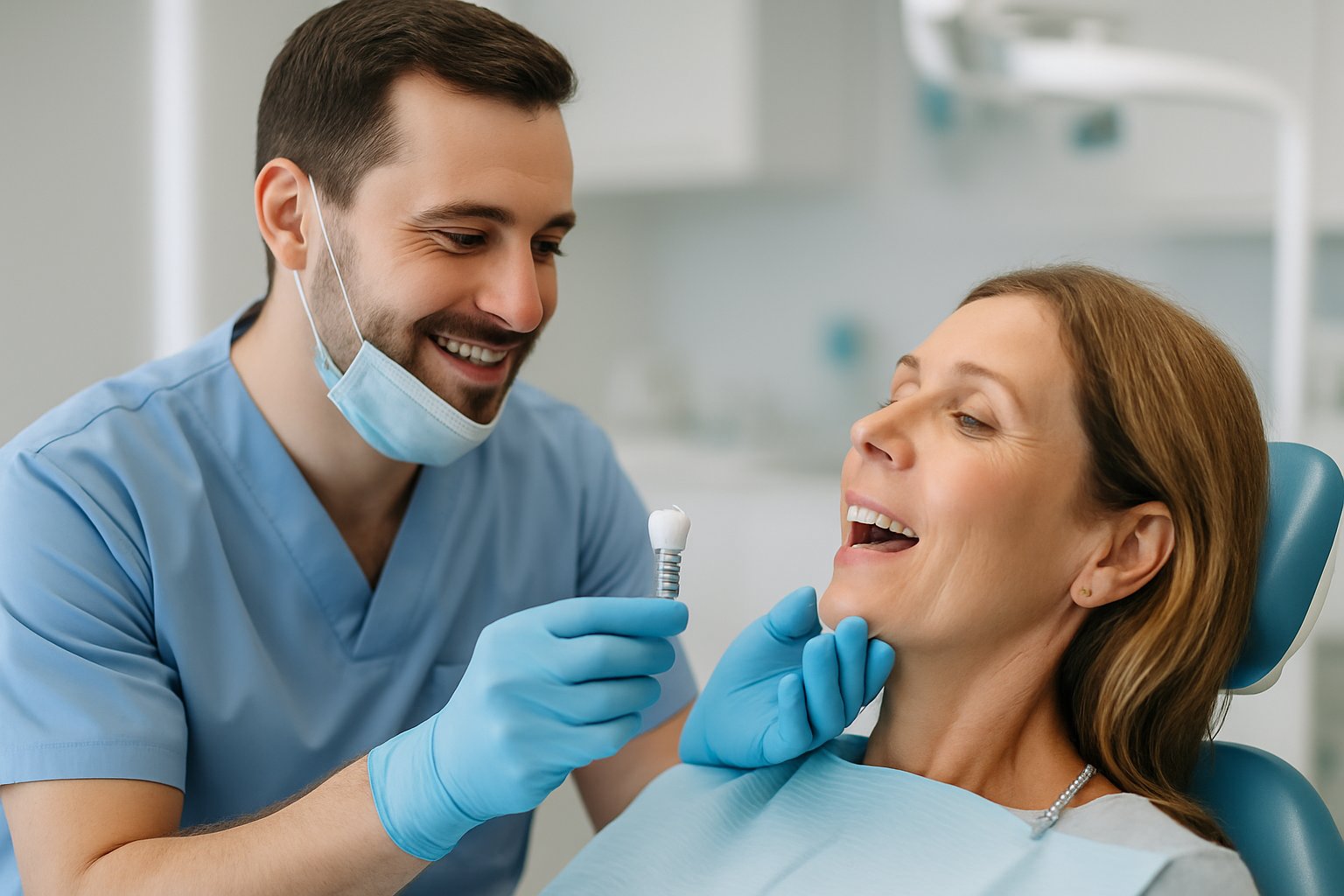
1775138996586 2e765f28 Gemini Generated Image 95xp9v95xp9v95xp

Dentures Dental Service San Diego CA: Comfortable, Modern Solutions for Your Smile

Dentures are a common and effective solution for people who have lost some or all of their natural teeth. In San Diego, CA, dental services specializing in dentures focus on creating comfortable, natural-looking replacements that help patients regain their smile and confidence. The key to successful dentures is a precise fit and personalized care, which skilled dentists in San Diego are ready to provide.

Many dental offices offer modern denture options, including partial and full dentures, made with advanced materials for better comfort and durability. These services often include thorough assessments and follow-up adjustments to ensure the dentures feel right and function well in daily life.

With a friendly approach, dentists in San Diego also emphasize patient comfort and provide clear guidance on maintaining dentures for long-lasting results. They encourage anyone considering dentures to reach out, ask questions, and explore the treatment options that fit their lifestyle.

What Are Dentures?

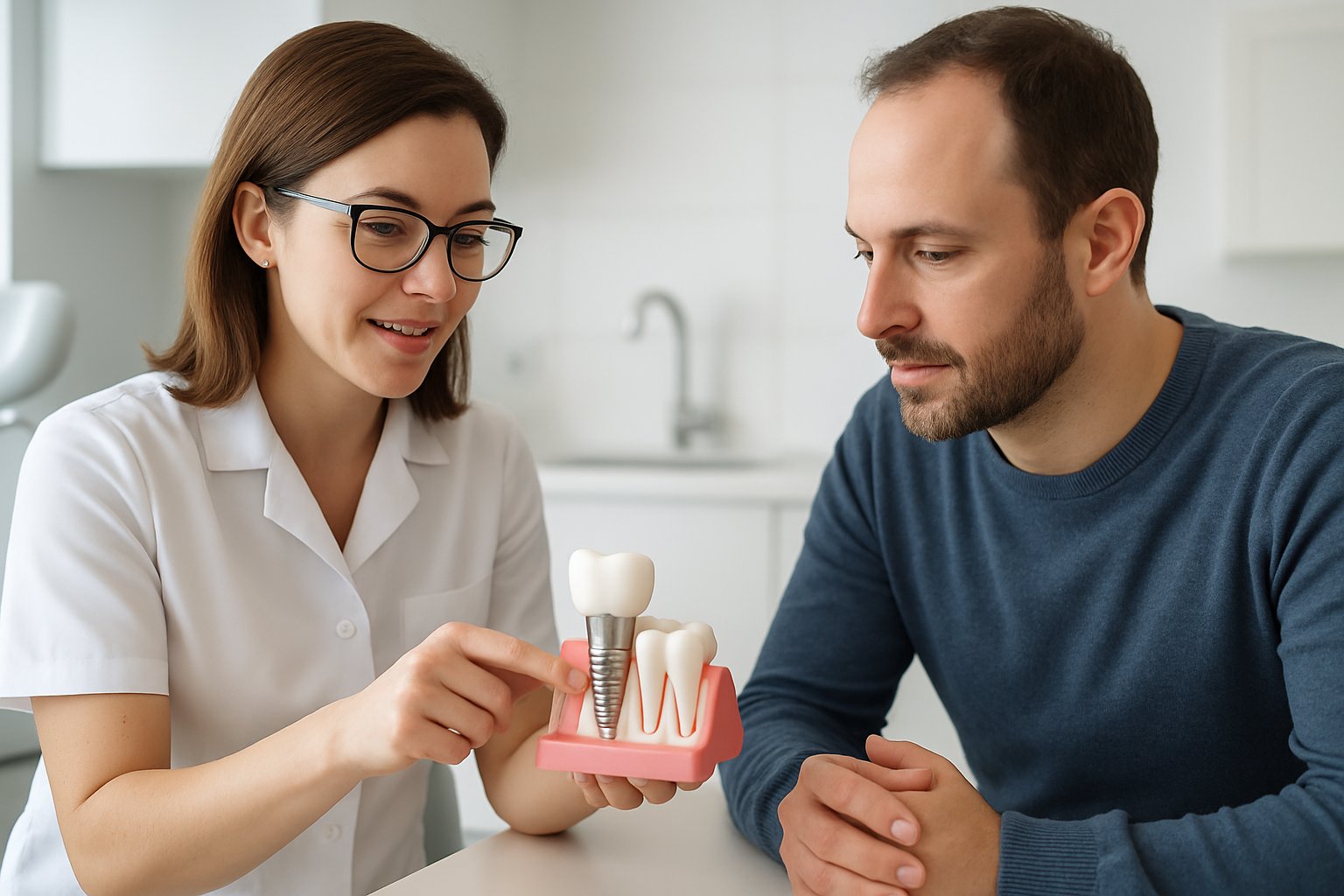
Blog image

Dentures are removable dental appliances designed to replace missing teeth. They restore both the function and appearance of natural teeth, helping patients chew, speak, and smile confidently. Understanding the different types, how they work, and when to consider them is important for making the right choice.

Types of Dentures

There are primarily three types of dentures: full, partial, and implant-supported. Full dentures replace all the teeth in the upper or lower jaw. Partial dentures fill in spaces when some natural teeth remain, using metal clasps or precision attachments to stay in place. Implant-supported dentures attach securely to dental implants fixed in the jawbone, providing extra stability. Each type varies in cost, comfort, and care requirements. A dentist will recommend the best option based on a patient’s oral health, bone structure, and lifestyle.

How Dentures Work

Dentures work by resting on the gums and underlying bone, replacing the function of natural teeth. Full dentures rely on suction and a close fit to stay in place. Partial dentures use clasps that grip adjacent teeth for support. Implant-supported dentures clip onto titanium implants surgically placed in the jaw, creating a stronger bond. Proper fit is crucial to prevent discomfort, slipping, or damage. Dentures also help maintain facial structure, preventing the sunken look that can occur with tooth loss.

When to Consider Dentures

Patients often consider dentures after significant tooth loss due to decay, injury, or gum disease. They are a practical solution when teeth are too damaged to save or when multiple teeth are missing. Dentures may also suit those seeking a non-invasive and affordable alternative to implants or bridges. A dental professional will evaluate oral health and discuss goals to determine if dentures are the right fit. Early consultation can prevent further dental issues and improve quality of life with effective tooth replacement.

Benefits of Modern Dentures

Modern dentures offer more than just replacing missing teeth. They provide improved functionality, comfort, and enhance the natural appearance of your smile. With advances in dental materials and techniques, today’s dentures fit better and look more lifelike than ever before.

Restoring Your Smile

Modern dentures are designed to closely match the shape, size, and color of natural teeth. This helps restore a patient’s smile so it looks balanced and natural. Unlike older dentures, they use lightweight materials that mimic the translucency and texture of enamel.

Replacing missing teeth also supports facial muscles, preventing the sunken look often associated with tooth loss. This not only helps with aesthetics but also aids in maintaining facial structure. Patients often report improved speech clarity because new dentures stabilize tongue and lip movement.

Improved Comfort and Function

Today’s dentures use precision fitting techniques like digital impressions, which reduce irritation and soreness. The base material is softer and more flexible, adapting to the gums’ unique contours. This leads to fewer pressure points and longer wear times without discomfort.

Functionally, modern dentures make chewing easier. They distribute bite force evenly, allowing for a broader diet including fruits, vegetables, and proteins. Many patients find their dentures stay securely in place better due to improved adhesives or implant-supported options.

Boosting Confidence

Wearing modern dentures often boosts self-esteem. Patients feel more comfortable smiling, talking, and eating in social settings without fear of slipping dentures or noticeable gaps. The natural look helps avoid the “false teeth” appearance, reducing any self-consciousness.

Dentists often recommend customization options such as tooth shape or shade selection to reflect the patient’s personality. This personalized approach strengthens the emotional benefits and encourages patients to regain normal routines with confidence and ease.

Dentures Dental Service in San Diego, CA

Dentures in San Diego are designed with patient comfort and precise fit in mind. Advanced techniques and local knowledge ensure tailored treatment plans that match individual needs. Each step focuses on restoring natural appearance and function while supporting overall oral health.

Choosing the Right Dentist

Selecting a denture provider involves more than just location. Patients should look for dentists with specific experience in prosthodontics or restorative dentistry. A skilled dentist will offer thorough evaluations and discuss all types of dentures—partial, full, or implant-supported—based on the patient’s oral condition.

Credentials matter; board certifications or memberships in professional dental organizations indicate a commitment to ongoing education. Reviews and patient testimonials can reveal how comfortable and supported others felt during their treatment. Trust and communication between patient and dentist are key to a successful denture experience.

Personalized Fitting Process

A careful fitting process shapes how comfortably dentures will feel and how well they function. First, detailed impressions of the gums and any remaining teeth create a foundation for customization. Digital scanning may also be used for accuracy and quicker adjustments.

During fitting appointments, dentists check bite alignment, denture stability, and patient comfort. It’s normal for minor adjustments to be needed in the days following insertion. Regular follow-ups allow the dental team to address any sore spots or fit issues, ensuring the dentures perform well in everyday activities like eating and speaking.

Local Expertise and Community Care

San Diego dentists understand the unique lifestyle and environmental factors that affect oral health here. Many practices incorporate preventive care with denture services, focusing on gum health and overall mouth wellness.

Local providers often offer flexible appointment scheduling and support for seniors and patients with special needs. Their commitment to patient education helps individuals maintain dentures longer and avoid common issues like irritation or bone loss. Community ties also mean easier referrals for implant dentistry or specialist care if needed later on.

Step-by-Step Denture Treatment Process

Getting dentures involves several carefully planned stages to ensure comfort and a natural fit. Each step focuses on customization, precision, and making sure patients feel supported throughout their journey.

Initial Consultation and Assessment

The journey begins with a thorough dental exam and discussion of oral health history. The dentist checks gum condition, jawbone health, and remaining teeth if any. This helps determine whether full or partial dentures will work best.

Digital scans or impressions of the mouth often follow, capturing detailed shapes needed for creating custom dentures. The dentist also talks about lifestyle, diet, and cosmetic goals to tailor the treatment plan accordingly. This step sets clear expectations about timelines, costs, and care.

Custom Design and Fabrication

Once the blueprint is ready, lab technicians craft dentures using materials like acrylic or flexible resin. The design balances durability and appearance, matching natural tooth color and gum tone for a realistic look.

This stage involves creating wax or plastic models for trial fitting. Adjustments can be made before the final dentures are produced. Working closely with the dental team ensures the dentures will fit comfortably and support speech and chewing properly.

Fitting and Adjustments

At the initial fitting, the dentist places the dentures and checks for snugness without causing pressure or soreness. They guide patients on how to insert and remove the dentures properly.

Follow-up visits focus on fine-tuning the fit, addressing any areas of irritation, and improving bite alignment. Patients are also shown how to keep dentures clean to prevent infections. Gradual adaptation makes wearing dentures more natural with time.

Caring for Your Dentures

Proper denture care is essential for comfort, durability, and oral health. It involves routine cleaning, adjusting to wearing dentures, and scheduling regular dental visits to ensure everything fits well and functions properly.

Daily Cleaning Tips

Dentures should be cleaned every day to prevent plaque buildup and stains. Start by rinsing them under cool water to remove loose food particles. Avoid hot water, which can warp the denture material.

Use a soft-bristled brush or denture brush with a mild, nonabrasive cleanser specifically designed for dentures. Do not use regular toothpaste, as it can be too harsh and cause tiny scratches that harbor bacteria.

After brushing, soak the dentures overnight in a denture-cleaning solution or plain water to keep them moist and maintain their shape. Rinse thoroughly before placing them back in the mouth in the morning.

Getting Used to Wearing Dentures

Adapting to dentures often takes time and patience. Initially, some soreness, increased saliva, or mild speech changes are common. These symptoms typically decrease within a few weeks as the mouth adjusts.

Eating with dentures requires practice. Start with soft, easy-to-chew foods, cutting them into smaller pieces. Chew slowly and evenly on both sides of the mouth to keep the denture stable. Avoid sticky or hard foods that can dislodge or damage dentures.

Speaking may feel awkward at first. Reading aloud or repeating tricky words can help improve speech clarity. Persistent discomfort or fitting issues should be addressed by the dentist promptly to avoid irritation or sores.

Regular Check-Ups

Routine dental appointments are crucial for denture wearers. The mouth continues to change shape over time, which can affect how dentures fit. Loose or ill-fitting dentures can cause pain, sores, or difficulty chewing.

During check-ups, the dentist examines oral tissues for signs of infection or irritation and checks denture condition. Adjustments, relining, or repairs may be needed to maintain a secure and comfortable fit.

Professional cleanings help remove stains and buildup that regular brushing can miss. Scheduling visits every 6 to 12 months supports overall oral health and keeps dentures functioning well.

Common Concerns About Dentures

Many people worry about how dentures will feel, function, and last once fitted. Understanding these common concerns helps ease the transition and promotes confident wear.

Addressing Fit and Comfort Issues

Fit is crucial for denture comfort and function. Poorly fitting dentures can cause soreness, irritation, or even sores on the gums. Most dental offices in San Diego offer adjustments after the initial fitting to ensure dentures sit comfortably and securely.

Materials and design have improved greatly, providing a closer fit to natural gum contours. Patients are advised to wear dentures regularly to allow gums to adapt, but should remove them overnight to prevent irritation. If discomfort persists, a follow-up visit is essential to prevent long-term problems.

Eating and Speaking With Dentures

Eating with dentures takes practice. Chewing tougher foods may be challenging at first, so starting with softer items and cutting food into smaller pieces is recommended. Over time, users usually regain confidence and can eat a wider variety of meals.

Speech changes are common when first wearing dentures. Certain sounds, like “s” or “f,” may feel tricky. Repetition and reading aloud can help adjust tongue and lip movements. If speech problems continue, a dental appointment can check the fit or suggest minor adjustments.

Longevity and Durability

Dentures typically last between 5 to 10 years, depending on wear, care, and changes in mouth shape. Regular dental check-ups are key to extending their lifespan and ensuring ongoing comfort.

Avoiding hard or sticky foods reduces damage risks. Proper daily cleaning with a soft brush and denture cleaner keeps them free from stains and bacteria. Patients should never use regular toothpaste or hot water, as these can cause cracks or warping.

Alternatives to Traditional Dentures

There are several modern options that provide more stability and comfort than traditional dentures. These choices often involve surgery but offer improved function and a more natural feel.

Dental Implants

Dental implants are titanium posts surgically placed into the jawbone, acting as artificial tooth roots. Once healed, they support crowns that look and function like natural teeth.

Implants help prevent bone loss and provide excellent chewing power. They don’t rely on adhesives or gums to stay in place, which many find more comfortable. The process takes time, including healing, but the results last for many years with proper care.

Patients should have healthy gums and enough bone for implants. Consultations and X-rays help dentists plan the best placement.

Implant-Supported Dentures

Implant-supported dentures combine dentures with dental implants for improved stability. Instead of resting on the gums, these dentures snap or clamp onto implants.

This method reduces slipping and irritation common with traditional dentures. It also enhances chewing efficiency and speech clarity. Implant-supported dentures can be fixed or removable, offering flexibility based on patient needs.

They require fewer implants than individual crowns, often two to four for a full arch. This option balances affordability and function while providing a more secure fit than regular dentures.

Cost and Insurance Information

Understanding the costs involved with dentures and how insurance may help can ease worries about treatment expenses. Many factors affect pricing, and knowing the available payment options helps patients plan accordingly.

Typical Pricing in San Diego

The cost of dentures in San Diego usually ranges from $600 to $2,500 per arch. Full dentures tend to be more expensive than partial ones because they replace all teeth in the upper or lower jaw. Basic dentures may cost less but often use traditional materials. Premium dentures with better fit, aesthetics, and durability can increase the price.

Additional fees might include consultations, impressions, adjustments, and relines. Customization and lab costs also impact the total. Prices vary by practice, so patients should ask for detailed estimates upfront to avoid surprises.

Insurance Coverage

Many dental insurance plans cover at least part of denture costs, especially if they are medically necessary. Typical coverage ranges from 50% to 80% for dentures after deductibles are met. However, plans often limit coverage for replacements to once every 5-7 years.

Some insurance policies exclude cosmetic upgrades or only cover basic dentures. It’s important to check the specifics of a dental plan, including waiting periods and annual maximums, to understand out-of-pocket expenses clearly.

Flexible Payment Options

Dental offices in San Diego frequently offer flexible payment plans to spread the cost of dentures over time. These might include no-interest financing for 6 to 12 months or low-interest extended plans. Using credit cards designed for medical expenses is another option.

Some practices accept CareCredit or similar third-party financing companies, making treatments more affordable. Patients should inquire about payment options early to find the best fit for their budget, reducing financial stress while receiving care.

Why Choose Our San Diego Dental Team

This dental team combines skilled hands with a welcoming atmosphere, all while making sure patients fully understand their care options. They tailor denture services to fit individual needs, focusing on comfort and long-term oral health.

Experienced Denture Specialists

The team includes dentists who specialize in fitting and crafting dentures with precision. They have years of hands-on experience managing all types of dentures—from partials to full sets—and understand how to achieve a natural look.

Using the latest dental technologies, they ensure dentures fit securely without causing irritation or discomfort. Their expertise helps patients regain easy chewing and clear speech, which are often challenges with traditional dentures.

Each patient receives a personalized treatment plan. This addresses unique oral structures and lifestyle needs, leading to better results and higher satisfaction.

Warm, Supportive Environment

Patients find a friendly setting where their worries about dentures are addressed with kindness and respect. The staff listens carefully and takes extra time to answer questions.

The office is designed to offer comfort from the moment you enter, with calming colors and a relaxed pace in appointments. This approach reduces anxiety often linked to dental visits.

They also encourage ongoing communication after fittings, helping patients adjust and resolve any issues quickly. This support network makes the denture journey less stressful.

Commitment to Patient Education

Clear information is central to their care. Patients receive detailed explanations about denture options, maintenance, and what to expect during each step.

Visual aids and simple handouts help break down complex terms, so everyone can make informed decisions. They address common concerns about durability, cleaning, and how dentures affect daily life.

By empowering patients with knowledge, the team builds confidence and encourages proactive oral care habits. This educational focus results in better denture outcomes and healthier smiles over time.

Next Steps Toward a Healthy Smile

Once dentures are fitted, maintaining oral health becomes the next important focus. Regular cleaning of both your gums and dentures helps prevent irritation and infections. Patients should gently brush their gums, tongue, and palate every day before putting dentures in.

Visiting the dental office for check-ups is essential. Dentists can monitor the fit of the dentures and check for any changes in the mouth. Adjustments may be needed over time to keep the dentures comfortable and functional.

Here are a few simple tips to follow:

  • Clean dentures daily with a soft brush and denture cleaner.
  • Avoid harsh toothpaste that can scratch dentures.
  • Remove dentures at night to let gums rest.
  • Stay hydrated to reduce dry mouth issues.

Modern denture options often include flexible materials and natural-looking designs. Patients should feel comfortable discussing preferences with their dentist to find the best solution.

Encouraging open communication helps reduce worries and ensures the best care. If questions arise or discomfort appears, contacting the dental provider promptly is wise. Together, they can work toward a smile that feels both healthy and natural.

Frequently Asked Questions

The cost of dentures varies based on materials, type, and dental practice location. Choosing the right denture depends on your oral health and lifestyle. Same-day dentures offer quick solutions but may require patience during adjustment. Finding a trustworthy provider means knowing what to ask and checking credentials. Seniors have options for affordable dentures through insurance and assistance programs. The adjustment period is normal, and specific tips can ease discomfort.

How much does a full set of dentures typically cost in California, and what factors can change the price?

A full set of dentures in California usually ranges from $1,200 to $3,000. Factors affecting price include the denture material, complexity of the fit, and whether extractions or preparatory work are needed. More advanced options like implant-supported dentures cost more.

What’s the difference between full dentures, partial dentures, and implant-supported dentures, and how do I know which one fits me best?

Full dentures replace all teeth in the upper or lower jaw. Partial dentures fill in gaps where some natural teeth remain. Implant-supported dentures are anchored to dental implants, offering more stability. A dentist evaluates your oral condition and preferences to recommend the best fit.

Can I really get dentures in a day, and what should I expect from same-day denture options?

Yes, same-day dentures are possible but usually involve immediate or temporary dentures. These allow you to leave the office with teeth but may need adjustments or replacement later. Expect an initial period of fit changes as your gums heal.

How do I find a denture provider I can trust, and what questions should I ask during a consultation?

Look for providers with good reviews, proper licensing, and experience in dentures. Ask about their denture options, adjustment policies, and follow-up care. Inquire about their approach to comfort and whether they offer a trial or guarantee.

Are there affordable ways for seniors to get dentures, such as insurance benefits, discount plans, or assistance programs?

Medicare usually doesn’t cover dentures, but some Medicaid programs in California do. Seniors may also find help through dental discount plans, non-profit organizations, or local health clinics offering reduced fees. Always ask about payment plans or financial assistance.

What is the adjustment period like with new dentures, and how can I reduce sore spots and improve comfort quickly?

The adjustment period can last several weeks as the mouth adapts. Sore spots are common and often improve with minor dental adjustments. Using denture adhesives, practicing speaking and eating slowly, and maintaining oral hygiene help ease the process.

Implant Surgery Recovery: What to Expect During Your Healing Journey

Medical implants have revolutionized healthcare by providing effective solutions for replacing missing biological structures or enhancing existing ones. Implants are medical devices manufactured to replace a missing biological structure, support a damaged biological structure, or enhance an existing biological function. From dental implants that restore smiles to contraceptive implants that prevent pregnancy, these devices have become essential tools in modern medicine.

A dentist and patient during a dental implant procedure in a modern clinic.

Dental implants are medical devices surgically implanted into the jaw to restore a person’s ability to chew or their appearance, making them one of the most popular and successful implant procedures today. These titanium posts act as artificial tooth roots, providing a stable foundation for replacement teeth that look and function like natural ones. The success rate for dental implants is remarkably high, giving patients confidence in their investment.

Understanding the different types of implants available can help patients make informed decisions about their healthcare needs. Whether someone is considering dental implant surgery to replace missing teeth or exploring other implant options, knowing what to expect from the process can ease concerns and lead to better outcomes.

Key Takeaways

  • Implants are versatile medical devices that can replace missing structures or enhance existing biological functions throughout the body
  • Dental implants offer a permanent solution for missing teeth with high success rates and natural-looking results
  • The implant process involves careful evaluation, surgical placement, and recovery time to ensure optimal outcomes for each patient

What Are Implants?

A dentist and patient in a modern clinic discussing dental implants during a consultation.

Dental implants represent a revolutionary approach to replacing missing teeth through surgically placed titanium posts that function as artificial tooth roots. They provide a permanent foundation for crowns, bridges, or dentures while preserving jawbone health.

Definition and Purpose

A dental implant is a metal post that replaces the root portion of a missing tooth. These small, threaded posts are made primarily of titanium or zirconia materials.

Dental implants are medical devices surgically implanted into the jaw to restore a person’s ability to chew or their appearance. They serve as anchors for artificial teeth called crowns.

The implant itself measures between 4mm and 16mm in length. It gets inserted into a prepared socket within the jawbone where the natural tooth root once existed.

Primary purposes include:

  • Replacing single missing teeth
  • Supporting bridges for multiple missing teeth
  • Anchoring full or partial dentures
  • Preventing bone loss in the jaw
  • Restoring normal chewing function

How Implants Work

Dental implants are best described as a titanium root replacement. The process involves three main components working together.

The titanium post integrates with the jawbone through a process called osseointegration. This biological fusion creates a stable foundation that mimics natural tooth roots.

An abutment connects to the implant post after healing occurs. This small connector piece extends through the gum tissue to support the final restoration.

The three-part system includes:

  • Implant post: Titanium screw placed in jawbone
  • Abutment: Connector piece above gum line
  • Crown: Artificial tooth attached to abutment

The entire process typically takes 3-6 months to complete. Patients can expect the implant to feel and function like their natural teeth once fully healed.

Benefits Over Traditional Options

With proper care and maintenance, a dental implant can last a lifetime. This longevity surpasses traditional bridges and dentures significantly.

Traditional bridges require grinding down adjacent healthy teeth for support. Dental implants preserve neighboring teeth completely by standing independently.

Key advantages include:

ImplantsTraditional Options
Preserve adjacent teethRequire alteration of healthy teeth
Maintain jawbone densityAllow bone deterioration
No daily removal neededDentures require removal
Natural chewing forceReduced bite strength

Dental implants replicate the appearance and function of natural teeth. Patients report improved confidence when speaking and eating compared to removable options.

The implant stimulates the jawbone like natural tooth roots. This prevents the bone shrinkage that commonly occurs with missing teeth or ill-fitting dentures.

Types of Dental Implants and Alternatives

A dental professional's hand holding a dental implant model with various dental implants and alternatives displayed on a clinic countertop in a modern dental office.

Modern dentistry offers several types of dental implants to replace missing teeth, from single-tooth solutions to full-mouth restorations. Patients can also choose traditional alternatives like bridges and dentures based on their specific needs and bone health.

Single-Tooth Implants

A single-tooth dental implant replaces one missing tooth with a titanium post surgically placed into the jawbone. The implant acts as an artificial tooth root that supports a custom crown.

The Process:

  • Surgical placement of the titanium implant
  • 3-6 month healing period for osseointegration
  • Attachment of an abutment
  • Placement of the final crown

Single implants preserve surrounding healthy teeth, unlike traditional bridges that require grinding down adjacent teeth. They also maintain jawbone density by providing stimulation similar to natural tooth roots.

Costs for single implants typically range from $3,100 to $5,800. The investment often pays off through improved function and longevity compared to other tooth replacement options.

Candidates need adequate jawbone density and healthy gums. Patients with insufficient bone may require bone grafting procedures before implant placement.

Implant-Supported Bridges

Implant-supported bridges replace multiple adjacent missing teeth using two or more dental implants as anchors. This approach eliminates the need to alter healthy neighboring teeth.

Common Configurations:

  • Two implants supporting a 3-4 tooth bridge
  • Three implants for longer spans
  • Strategic placement based on bone availability

The implants distribute chewing forces evenly across the jawbone. This prevents the bone loss that typically occurs with removable partial dentures.

Treatment involves placing implants at strategic locations, allowing healing time, then attaching the bridge. The process takes several months but results in a permanent, stable solution.

Implant-supported bridges work well for patients missing 2-4 consecutive teeth. They provide better stability and comfort than removable alternatives while preserving facial structure.

Patients can clean around implant bridges more easily than traditional bridges since no natural teeth are involved in the restoration.

Implant-Supported Dentures

Implant-supported dentures combine the stability of implants with the full-arch coverage of dentures. This option works for patients missing most or all teeth in an arch.

Popular Options:

  • All-on-4: Four implants support a full arch
  • All-on-6: Six implants for enhanced stability
  • Overdentures: Removable dentures that snap onto implants

All-on-4 treatment often allows same-day tooth replacement. Patients receive temporary teeth immediately after implant placement, then permanent restorations after healing.

Implant-supported dentures eliminate common denture problems like slipping, clicking, and sore spots. They also allow patients to eat a wider variety of foods confidently.

The bone stimulation from implants prevents the facial collapse associated with traditional dentures. This maintains a more youthful appearance over time.

Maintenance involves regular cleaning around the implant sites and professional check-ups to ensure long-term success.

Traditional Bridges and Dentures

Traditional bridges and dentures remain viable alternatives to dental implants for patients who cannot undergo implant surgery or prefer non-surgical options.

Traditional Bridges:

  • Require grinding down adjacent teeth for crowns
  • Span gaps using neighboring teeth as anchors
  • Last 10-15 years with proper care
  • More affordable initially than implants

Conventional Dentures:

  • Removable appliances that rest on gums
  • Full or partial options available
  • Require adhesives for stability
  • Need replacement every 5-7 years

These alternatives work well for patients with insufficient bone density, certain medical conditions, or budget constraints. They require less treatment time and lower upfront costs.

However, traditional options don’t prevent bone loss in the jaw. Dentures may become loose over time as the bone shrinks, requiring adjustments or replacements.

Patients should discuss all options with their dentist to determine the best solution for their specific situation, health status, and long-term goals.

The Dental Implant Process

The dental implant process involves several carefully planned stages that typically span several months. Each phase allows for proper healing and ensures the best possible outcome for long-term tooth replacement.

Initial Consultation and Planning

The journey begins with a comprehensive evaluation where the dental professional assesses the patient’s oral health and bone structure. X-rays and imaging provide detailed views of the jawbone to determine the optimal placement location for the implant.

During this phase, the dentist examines the patient’s medical history and current medications. Certain conditions like uncontrolled diabetes or heavy smoking may affect healing and require special consideration.

Treatment planning involves creating a customized approach for each patient’s unique situation. The dentist measures bone density and height to ensure adequate support for the dental implant.

Patients receive detailed information about the procedure timeline and what to expect. The dental team discusses costs, insurance coverage, and payment options during this consultation.

Some patients may require preliminary treatments like bone grafting or tooth extractions before implant placement can begin.

Surgical Placement of Implants

The surgical placement involves inserting the implant body into the jawbone where it will replace the natural tooth root. Local anesthesia ensures patient comfort throughout the procedure.

The dentist creates a small incision in the gum tissue to access the underlying bone. A precisely sized hole is drilled into the jawbone to accommodate the threaded titanium implant.

The implant post is carefully positioned and secured into the prepared site. The surrounding gum tissue is then sutured closed to protect the healing area.

Most patients experience minimal discomfort following surgery. Swelling and mild pain typically subside within a few days with proper care and prescribed medications.

Recovery instructions include avoiding hard foods and maintaining gentle oral hygiene around the surgical site. Patients should avoid smoking and excessive physical activity during initial healing.

Healing and Osseointegration

The healing process typically takes 2 to 3 months as the bone begins to grow around and fuse with the implant surface. This biological process is called osseointegration and creates a stable foundation.

During this period, patients wear temporary restorations or continue using existing partial dentures. Regular check-ups allow the dentist to monitor healing progress and address any concerns.

Proper osseointegration is crucial for long-term implant success. The titanium implant becomes permanently integrated with the surrounding bone tissue, creating strength comparable to natural tooth roots.

Patients must maintain excellent oral hygiene and follow all post-operative care instructions. Avoiding tobacco use and limiting alcohol consumption supports optimal healing conditions.

Signs of successful integration include lack of mobility when the implant is gently tested and absence of pain or discomfort around the site.

Final Restoration and Aftercare

Once osseointegration is complete, the dentist attaches an abutment to the implant post. This connector piece will support the final crown, bridge, or denture restoration.

Impressions are taken to create a custom restoration that matches the patient’s natural teeth in color, shape, and size. The final crown is designed to blend seamlessly with surrounding teeth.

The completed dental implant functions like a natural tooth for biting, chewing, and speaking. With proper care and maintenance, dental implants can last a lifetime.

Ongoing aftercare includes regular dental check-ups, professional cleanings, and daily brushing and flossing. Special attention to the gum tissue around the implant prevents complications.

Patients should schedule follow-up appointments as recommended to ensure the implant remains healthy and functional. Early detection of any issues allows for prompt treatment and better outcomes.

Who Is a Good Candidate for Implants?

Successful dental implant placement depends on several key factors including overall health status, adequate jawbone density, and lifestyle choices that support healing. Most adults with missing teeth can receive dental implants when these conditions are met.

General Health and Oral Health Requirements

Good overall health forms the foundation for successful dental implant treatment. Patients need healthy immune systems to support proper healing and integration of the implant with surrounding bone tissue.

Essential oral health criteria include:

  • Healthy gums free from active periodontal disease
  • Adequate oral hygiene habits and commitment to maintenance
  • Absence of untreated tooth decay in remaining teeth
  • Control of any existing gum inflammation

Candidates must have healthy gums and sufficient jawbone density to securely hold the implant in place. Active gum disease creates an environment that prevents proper healing around the implant site.

Patients with diabetes can receive dental implants when their blood sugar levels remain well-controlled. Uncontrolled diabetes significantly increases the risk of implant failure and poor wound healing.

Those taking certain medications like bisphosphonates or blood thinners may need special considerations. A thorough medical review helps determine the best timing and approach for implant placement.

Age and Jawbone Considerations

A leading requirement for dental implant surgery is adequate jawbone support. The jawbone must possess sufficient density and volume to anchor the titanium implant securely.

Age-related factors include:

  • Minimum age: Typically 18-21 years when jaw growth is complete
  • Maximum age: No upper limit for healthy adults
  • Bone quality: Generally decreases with age, especially in women after menopause

Bone loss often occurs after tooth extraction, with significant reduction happening within the first year. Patients who have been missing teeth for extended periods may require bone grafting procedures before implant placement.

Three-dimensional imaging reveals the exact bone dimensions and quality at potential implant sites. This technology allows precise treatment planning and identifies cases where additional procedures might be necessary.

Women experiencing hormonal changes during menopause may have reduced bone density. However, this doesn’t automatically disqualify them from receiving dental implants with proper evaluation and planning.

Lifestyle and Habits Impacting Success

The ideal candidate for dental implants is a non-smoker with healthy gums and sufficient bone density. Smoking significantly reduces blood flow to the healing tissues and dramatically increases failure rates.

Critical lifestyle factors:

Positive FactorsNegative Factors
Non-smoking statusHeavy smoking
Moderate alcohol useExcessive alcohol consumption
Good oral hygienePoor dental care habits
Regular dental visitsTeeth grinding (untreated)

Heavy alcohol consumption impairs the body’s healing response and can interfere with bone integration around the implant. Patients should limit alcohol intake during the healing period.

Teeth grinding or clenching puts excessive force on dental implants and can lead to complications. A nightguard effectively protects implants from these harmful forces during sleep.

Commitment to long-term oral hygiene remains essential for implant success. Patients must demonstrate willingness to maintain regular brushing, flossing, and professional cleanings to prevent peri-implantitis around the implant site.

Cost and Value of Dental Implants

Dental implant costs typically range from $3,000 to $6,000 per tooth, but understanding the complete financial picture requires comparing options, exploring coverage possibilities, and considering long-term benefits. Smart patients weigh upfront investments against decades of improved function and confidence.

Comparing Costs: Implants, Dentures, and Bridges

Single dental implants range from $3,000 to $5,000 including the post, abutment, and crown. This initial investment appears higher than alternatives, but the comparison becomes clearer when patients examine total lifetime costs.

Traditional bridges cost $2,500 to $5,000 initially but require replacement every 10-15 years. The adjacent healthy teeth need reshaping, potentially creating future problems that increase long-term expenses.

Dentures present the lowest upfront cost at $1,500 to $3,000 for a full set. However, they require regular adjustments, relines, and replacements every 5-7 years. Adhesives, cleaning products, and maintenance visits add ongoing expenses.

TreatmentInitial CostLifespanReplacement Frequency
Dental Implants$3,000-$5,00025+ yearsRarely needed
Bridges$2,500-$5,00010-15 yearsEvery decade
Dentures$1,500-$3,0005-7 yearsMultiple times

The complete cost for implants includes surgical placement, healing time, and final restoration. Most patients find this one-time investment more economical than repeated treatments over decades.

Insurance Coverage and Financing

Most dental insurance plans cover 50-80% of bridge and denture costs but limit implant coverage to $1,000-$2,000 annually. Patients often need to advocate for coverage by emphasizing medical necessity rather than cosmetic benefits.

Flexible Spending Accounts and Health Savings Accounts allow pre-tax dollars for implant treatment. This tax advantage effectively reduces the real cost by the patient’s tax bracket percentage.

Many dental practices offer financing options with 0% interest for 12-24 months. Dental providers like Aspen Dental often provide payment plans that make treatment accessible without waiting.

Some patients qualify for dental school programs or clinical trials that reduce costs significantly. Veterans may receive implant coverage through VA benefits for service-related tooth loss.

CareCredit and similar medical financing companies extend payment terms up to 60 months. Patients can begin treatment immediately while spreading costs over manageable monthly payments.

Long-Term Investment and Quality of Life

Dental implants typically last 25+ years with proper care, making them the most cost-effective tooth replacement option over time. The titanium posts integrate with jawbone, creating permanent foundations that rarely need replacement.

Bone preservation sets implants apart from other options. Dentures and bridges allow continued bone loss, eventually affecting facial structure and requiring additional treatments. Implants stimulate bone growth, maintaining natural facial proportions.

Daily life improvements justify the investment for most patients. Implants restore 95% of natural chewing force, allowing unrestricted food choices. Bridge wearers often avoid certain foods, while denture users face significant dietary limitations.

Professional confidence increases when patients speak and smile without worry. Unlike dentures that can slip during important moments, implants provide security in social and work situations.

The maintenance requirements remain minimal compared to alternatives. Regular brushing, flossing, and dental visits suffice, while dentures require special cleaning routines and frequent adjustments that add time and expense throughout life.

Frequently Asked Questions

Patients considering implants often have specific questions about preparation, comfort, and long-term care. Understanding the financial aspects, maintenance needs, and potential side effects helps individuals make informed decisions about their treatment options.

What should you consider before choosing a dental implant procedure?

A person should evaluate their overall oral health and bone density before pursuing dental implant treatment. The jawbone needs sufficient thickness and height to support the implant properly.

Medical history plays a crucial role in determining candidacy. Conditions like uncontrolled diabetes, heavy smoking, or certain medications can affect healing and implant success rates.

Age and lifestyle factors matter significantly. While there’s no upper age limit, patients should be healthy enough to undergo minor surgery and committed to proper oral hygiene afterward.

Financial planning requires careful consideration. Most dental insurance plans provide limited coverage for implants, so patients often pay substantial out-of-pocket costs.

How can you manage any potential side effects from contraceptive implants?

Irregular bleeding represents the most common side effect of hormonal implants. Women can track their cycles and discuss treatment options with their healthcare provider if bleeding becomes problematic.

Mood changes may occur during the first few months after insertion. Patients should monitor their emotional well-being and report significant changes to their doctor promptly.

Weight fluctuations affect some users, though research shows mixed results. Maintaining a healthy diet and regular exercise routine helps manage any potential weight changes.

Insertion site tenderness typically resolves within a few days. Applying ice packs and taking over-the-counter pain relievers can provide relief during the initial healing period.

What are the long-term considerations for someone with a birth control implant?

Fertility returns quickly after implant removal, often within a few weeks. Women planning future pregnancies should discuss timing with their healthcare provider well in advance.

Bone density monitoring becomes important for long-term users. Some hormonal implants may affect bone mineral density, particularly in younger women whose bones are still developing.

Regular check-ups ensure the implant remains properly positioned. Healthcare providers can detect any migration or complications during routine examinations.

Replacement timing requires advance planning. Most contraceptive implants need replacement every three to five years to maintain effectiveness.

How does the cost of dental implants compare to alternative treatments?

Dental implants cost more initially than bridges or dentures but often prove more economical over time. A single implant can last 20-30 years with proper care.

Traditional bridges require replacing adjacent healthy teeth, which can lead to additional costs later. Implants preserve surrounding teeth and maintain jawbone structure better than removable options.

Dentures need regular adjustments, relines, and eventual replacement every 5-10 years. These ongoing expenses can exceed the one-time cost of implants over a patient’s lifetime.

Insurance coverage varies significantly between providers and plans. Patients should verify their benefits and explore financing options before beginning treatment.

What are the expected maintenance requirements after getting a dental implant?

Daily brushing and flossing remain essential for implant longevity. Patients should use a soft-bristled toothbrush and non-abrasive toothpaste to protect the crown and surrounding gums.

Professional cleanings every six months help prevent complications. Dental hygienists use special instruments designed specifically for cleaning around implants without damaging the surface.

Regular dental examinations allow early detection of potential problems. Dentists check the implant stability, crown condition, and surrounding tissue health during routine visits.

Avoiding harmful habits protects the investment long-term. Patients should refrain from chewing ice, using teeth as tools, or grinding their teeth without a protective guard.

How do modern implants enhance patient comfort during and after the procedure?

Advanced surgical techniques minimize tissue trauma and reduce recovery time. Many dentists use guided surgery with 3D imaging to place implants more precisely and less invasively.

Local anesthesia ensures patients feel no pain during the procedure. Sedation options are available for those who experience dental anxiety or prefer to be more relaxed during treatment.

Modern implant surfaces promote faster healing and better integration with the jawbone. Specialized coatings and textures encourage bone growth and reduce healing time.

Post-operative pain management has improved significantly with better medications and protocols. Most patients report minimal discomfort that responds well to over-the-counter pain relievers.

Patients should discuss their concerns and preferences with their dental team to ensure the most comfortable experience possible. Open communication helps address anxiety and establishes realistic expectations for the treatment process.